 ⭐ Featured
Butter Paneer Masala
Creamy tomato-based curry with soft paneer cubes — the all-time favourite of Indian...
Pigeon curry with Assamese whole spices — served at all major celebrations
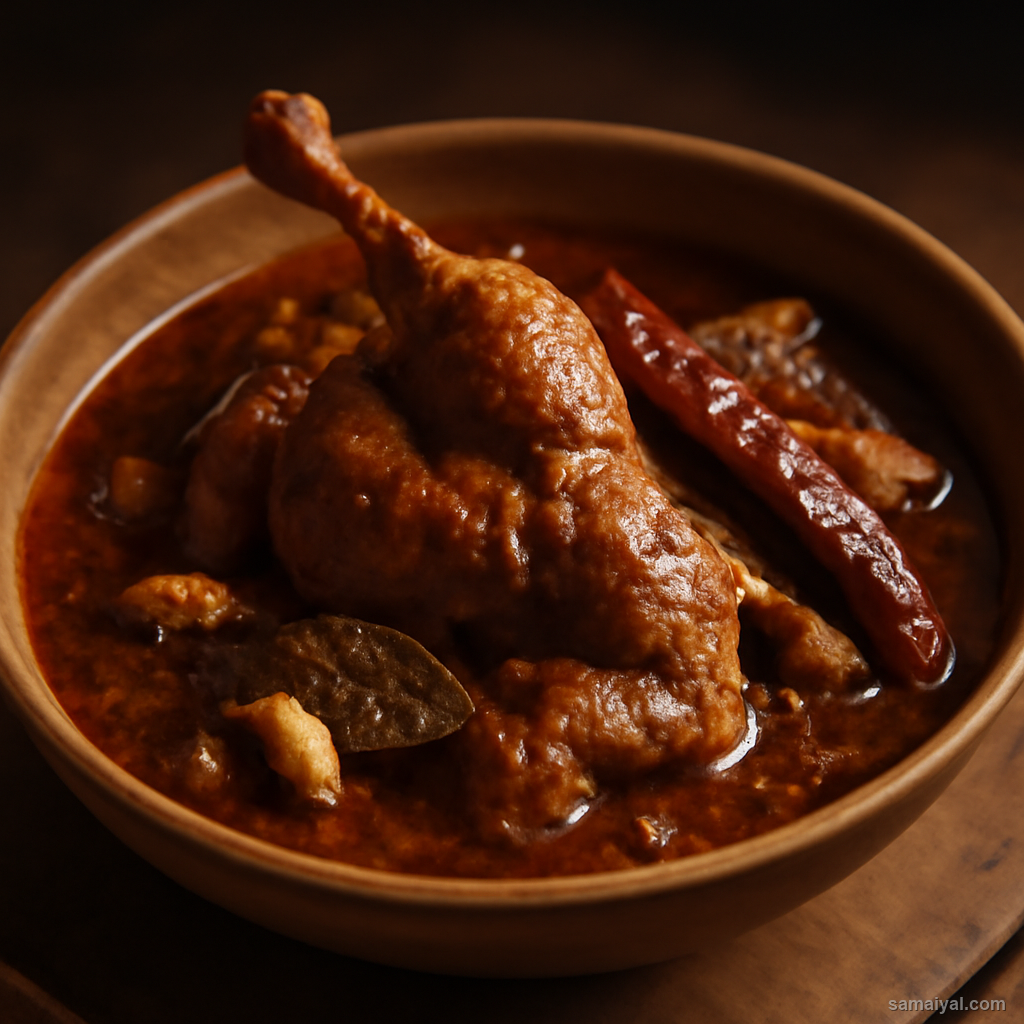
About Paro Maas Pigeon Curry: Pigeon curry is a celebratory Assamese dish — served at feasts and gatherings. The flavour of pigeon is richer and gamier than chicken, lending a distinctive depth that justifies its prestige status. Across Assam, paro maas appears at significant family events, traditional festivals, and as a sign of generous hospitality to important guests. The dish reflects the Assamese tradition of raising domesticated pigeons (paro) alongside ducks and chickens — a multi-bird poultry tradition unusual in modern India.
Understand the source: Use 2 whole pigeons (or 4 squab — young pigeons), cleaned and cut into curry pieces. Available at specialty butchers, halal meat markets, or online from game bird suppliers. The whole birds yield about 600-700g of meat once cleaned.
IMPORTANT sourcing note: Use only food-grade pigeons specifically raised for eating. Wild urban pigeons are NOT safe to eat — they can carry diseases and parasites. Specialty butchers will provide farm-raised squab or pigeon raised under proper food-safety conditions.
If pigeon unavailable: Substitute with whole quail (4 birds) or even bone-in chicken thighs as last resort. The flavour profile differs significantly — pigeon has a deeper gamey character that chicken cannot match.
Clean the pigeons: Rinse thoroughly under cold running water. Pat very dry with kitchen paper. Cut each pigeon into 4-6 pieces depending on size — typically 2 leg pieces, 2 wing-breast pieces.
The pigeon size: Each pigeon yields a smaller portion than chicken. Plan 4-5 pieces per person, alongside generous rice and vegetable accompaniments.
Make the marinade: In a wide bowl combine 1 tsp turmeric powder, 1 tsp salt, and 2 tbsp ginger-garlic paste (or grind 2-inch ginger with 5 garlic cloves with 2 tbsp water).
Marinate properly: Add the pigeon pieces. Massage thoroughly. Cover and rest for 30 minutes at room temperature. Do not over-marinate — pigeon flesh is more delicate than mutton or chicken and over-marinating can break it down.
Prepare the onion: Take 1 medium onion. Peel and finely chop into 5mm dice.
Prepare additional ginger-garlic: Take a 1-inch piece of fresh ginger and 3 garlic cloves. Grate ginger; mince garlic — these are added separately from the marinade.
Gather the whole spices: Have ready 2 green cardamom pods (lightly cracked), 1 small cinnamon stick (broken in half), and 3 cloves.
Use a heavy pot with tight lid: Use a heavy-bottomed Dutch oven, large kadhai with lid, or thick-bottomed casserole.
Heat the mustard oil correctly: Pour 2 tbsp mustard oil into the pot over medium-high heat. Heat for 1-2 minutes until smoking heavily.
Temper with whole spices: Reduce heat to medium. Add the cracked cardamom pods, cinnamon stick, and cloves. Fry for 30 seconds — they will sizzle and the kitchen will fill with their fragrance.
Fry the onion: Add the chopped onion. Stir-fry for 6-7 minutes, stirring often, until golden brown.
Add ginger and garlic: Add the grated ginger and minced garlic. Stir for 1-2 minutes until fragrant.
The critical pigeon sear: Increase heat to medium-high. Add the marinated pigeon pieces. Sear for 8 minutes total, turning every 2 minutes. The pigeon will release some liquid initially, then start to dry and brown lightly.
Why gentler sear than mutton: Pigeon flesh is more delicate. Aggressive searing can break the pieces apart and make them dry. The 8-minute sear at medium-high (not full high) is the right balance.
Add dry spices: Sprinkle in 1 tsp red chilli powder. Stir for 30 seconds — the masala will turn rust-red and coat the pigeon.
Add water: Pour in 1/2 cup hot water. Stir well to lift any caramelised bits stuck to the bottom.
The simmer: Bring to a gentle simmer. Reduce heat to medium-low. Cover the pot tightly.
Cook for 35 minutes: Cook covered for 35 minutes, lifting the lid every 10 minutes to gently turn the pigeon pieces.
Why 35 minutes for pigeon: Pigeon cooks faster than mutton but slower than chicken. The 35-minute simmer is just enough to make the meat tender without breaking it down.
Watch the moisture: The braising liquid should always be present. Add 2-3 tbsp hot water if too dry.
Check doneness at 35 minutes: Pierce a piece of pigeon with a fork — it should slide in with no resistance, and the meat should pull away from the bone easily. The flesh should be tender but still firm enough to hold its shape.
Uncover and reduce: Remove the lid. Increase heat to medium. Stir gently for 5 minutes, allowing the gravy to reduce to a moderately thick consistency.
The consistency: Pigeon curry should have a medium-thick gravy — pourable but substantial. The pigeon pieces should be visible in a glossy red-brown sauce.
Final flavour check: Taste a piece of pigeon. The flavour profile is distinctive — deeper and gamier than chicken, more delicate than mutton, with the pigeon flavour shining through the spicing rather than being masked. Adjust salt to your liking.
Garnish: Switch off the heat. Sprinkle 2 tbsp finely chopped fresh coriander over the top.
Serve with rice: Serve hot over plain steamed rice — the most traditional Assamese pairing for any meat curry. The rich gravy is meant to be poured over rice.
The Assamese way to eat: Diners pick up the small pigeon pieces with their fingers, eating the meat along with rice. The bones are smaller than mutton bones, requiring more careful eating.
For festive occasions: At Assamese feasts, pigeon curry is served alongside duck curry, fish, and vegetable preparations — providing variety in the meat course.
Serve with accompaniments: Pair with a dal, a vegetable side, and a small piece of pickle for a complete celebratory meal.
A cultural and historical note: Pigeon-keeping has a long tradition in Assam — domestic pigeons were raised for both food and as messengers in the pre-colonial era. The royal kitchens of the Ahom dynasty (1228-1826) featured pigeon dishes prominently. Modern Assamese homes raising pigeons for food are increasingly rare; cooking this dish honours an old tradition that may not survive much longer in its original form.
For first-time pigeon eaters: The flavour is more like duck or game birds than chicken. Some find it delicious immediately; others need to acquire the taste. The smaller pieces and bones require more patient eating than chicken.
Leftover storage: Stored in the fridge in an airtight container, this curry keeps for 2-3 days and the flavours deepen overnight. Reheat gently on the stovetop with a splash of water — never boil aggressively, which can toughen the meat.
⭐ Featured
Creamy tomato-based curry with soft paneer cubes — the all-time favourite of Indian...
 ⭐ Featured
Velvety spinach curry with golden-fried paneer — nutritious, vibrant and absolutely delicious.

Bold, tangy chickpea curry packed with spices — a street food staple that works as a main dish.

Dry-spiced potatoes and cauliflower — simple, aromatic, and endlessly satisfying.
Comments & Tips
Be the first to share your experience with this recipe!
Leave a Comment