 ⭐ Featured
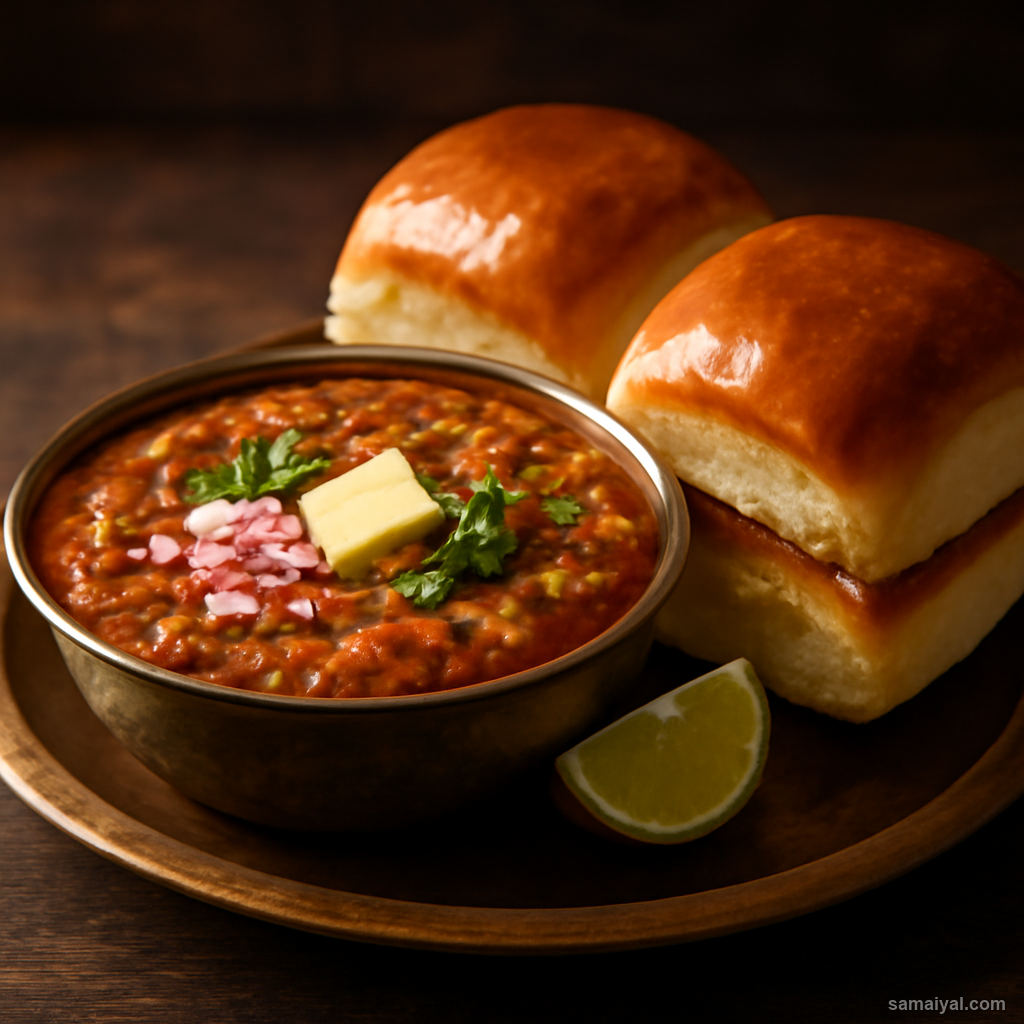
Pav Bhaji
Mumbai's beloved mashed vegetable curry served on butter-toasted soft buns — street food gold.
Thin delicate rice crepe served rolled with jaggery — the simplest Assamese pitha
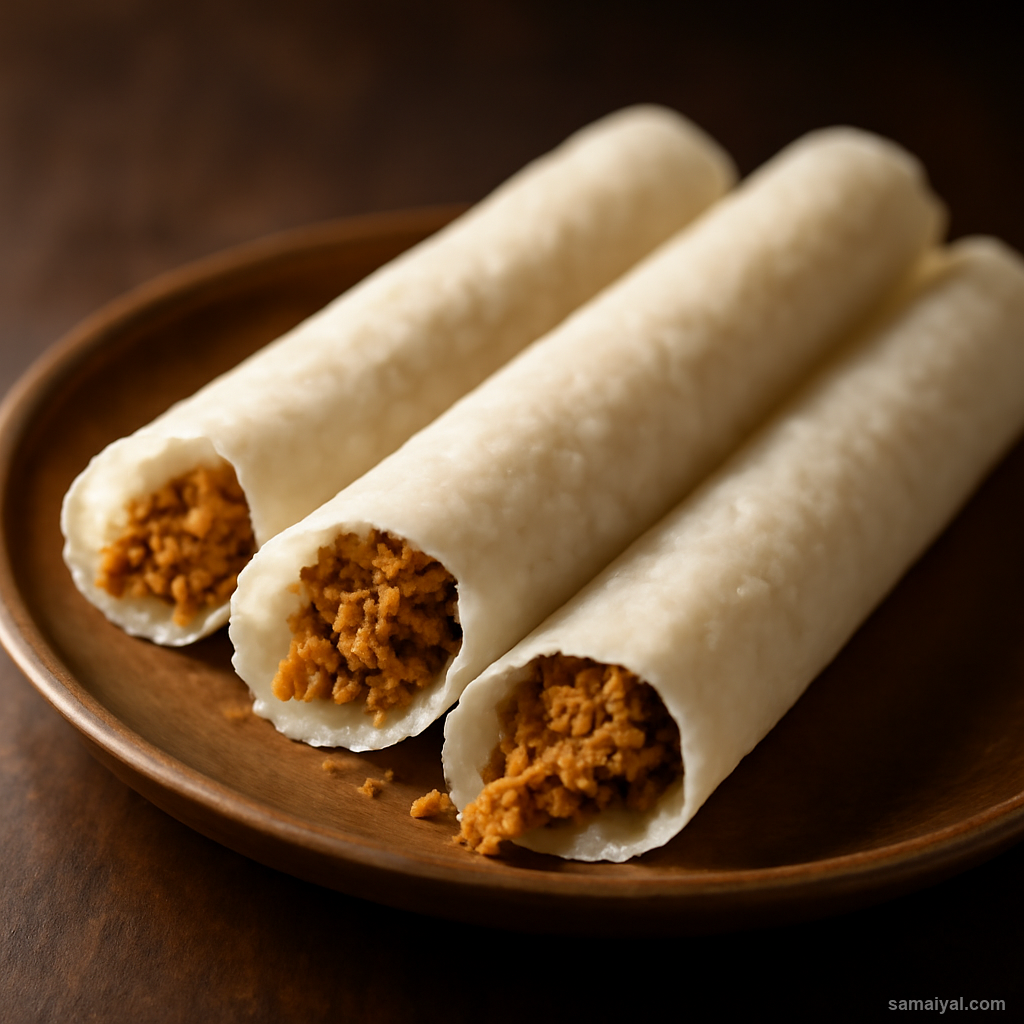
About Pani Pitha: Pani Pitha is the most minimalist of all Assamese pithas — a thin delicate rice crepe served warm with grated jaggery and toasted sesame. It is the breakfast pitha of village Assam, the festival pitha of Bihu, and one of the easiest recipes for beginners. Despite its simplicity, getting the batter consistency right takes a bit of practice.
Understand glutinous rice flour: Use 2 cups of glutinous rice flour (also called sweet rice flour or sticky rice flour). The high amylopectin content is what makes the crepes soft and slightly chewy. Regular rice flour will not produce the right texture — the crepes will be brittle and crack.
Measure carefully: The flour-to-water ratio is critical for crepe-style pitha. Too thick and the pitha is leathery and dense; too thin and it tears in the pan. Aim for the consistency of single cream — pourable but not watery.
Mix the dry: Place 2 cups of glutinous rice flour in a wide bowl. Add 1/4 tsp salt. Whisk briefly with your fingers to distribute the salt.
The water-mixing technique: Have 2 cups of warm water ready (warm, not hot — too-hot water cooks the rice flour into clumps). Pour 1 cup of the warm water gradually into the flour while stirring continuously with a fork or whisk. Mix until smooth, then add the remaining 1 cup gradually.
Whisk to perfect smoothness: Continue whisking for 1-2 minutes until completely smooth and lump-free. The batter should be the consistency of thin pancake batter or single cream — when you lift the whisk, the batter should run off in a continuous thin stream.
Let the batter rest: Cover and let rest for 15 minutes. The rice flour absorbs water and the batter consistency settles. The batter may thicken slightly during resting — if so, stir in 1-2 tbsp warm water to restore consistency. If you find lumps after resting, whisk again or strain through a sieve.
Prepare the toppings: Take 3 tbsp jaggery and grate finely on the small holes of a box grater. Place in a small bowl. Take 2 tsp white sesame seeds. Toast in a dry pan over medium-low heat for 90 seconds, shaking the pan often, until they pop and turn light golden. Cool and place in another small bowl.
Use the right pan: Use a flat non-stick tawa or non-stick crepe pan. A good non-stick surface is essential — pani pitha sticks easily and tears when pulled off a poor non-stick surface. A well-seasoned cast-iron tawa works too.
Heat the pan: Place the pan over medium heat. Wait 2 minutes for it to get evenly hot. Test by sprinkling a few drops of water — they should sizzle and evaporate within 2-3 seconds.
Grease lightly: Use a clean kitchen paper or pastry brush to apply just a few drops of oil to the pan surface. The pan should be barely greased — too much oil produces fried-feeling pitha rather than soft crepes.
Pour the first crepe: Use a small ladle. Pour about 1/4 cup of batter into the centre of the pan. Immediately pick up the pan and tilt it in a circular motion to spread the batter into a thin even round circle, about 18cm wide. Work quickly — the batter sets fast on the hot pan. If it tears or has holes, the pan is too hot — lower heat slightly.
Cook on the first side: Reduce heat to medium-low. Cook the crepe for 1.5-2 minutes. The bottom should be just lightly golden in patches; the top will look set, slightly translucent, with no wet shiny patches remaining. Do not flip — pani pitha is cooked on one side only, like a French crepe.
The assembly speed: This is the only step that matters. The pitha goes from cooked to leathery in 30 seconds, so move fast.
Fill and roll: Slide the cooked pitha onto a plate, cooked-side down. Quickly sprinkle 1 tsp grated jaggery in a thin line down the middle and a pinch of toasted sesame seeds. Roll up tightly into a long cylinder. The warmth of the pitha will partially melt the jaggery and create a gooey filling.
Keep warm and continue: Place each rolled pitha in a casserole or covered dish to stay warm while you cook the next one. Re-grease the pan very lightly between each pitha.
Maintain pan temperature: After 2-3 pithas the pan may get too hot — if the next pitha sets immediately and tears when you tilt, lift the pan off the heat for 30 seconds, then return. Conversely, if pithas take more than 3 minutes to set, raise the heat slightly.
Serve immediately: Pani Pitha tastes best within 15-20 minutes of cooking, while still soft and just-warm. Serve as breakfast, with a cup of hot tea, or as a festive Bihu treat. The pitha will turn slightly leathery as it cools — refresh by warming briefly on a tawa for 15 seconds per side.
Variations: Some Assamese homes spread a thin smear of soft fresh coconut paste or a drizzle of warm coconut cream inside the pitha along with the jaggery — both are delicious upgrades. For savoury versions, replace the jaggery with a thin spread of hot chilli paste and serve as a snack.
⭐ Featured
Mumbai's beloved mashed vegetable curry served on butter-toasted soft buns — street food gold.

Fluffy steamed chickpea flour cake from Gujarat — light, spongy, tangy and totally addictive.

Mumbai's vegetarian burger — spiced potato dumpling in a fried batter, served in a...
 ⭐ Featured
Crispy golden pastry filled with spiced potatoes and peas — India's most loved snack,...
Comments & Tips
Be the first to share your experience with this recipe!
Leave a Comment