 ⭐ Featured
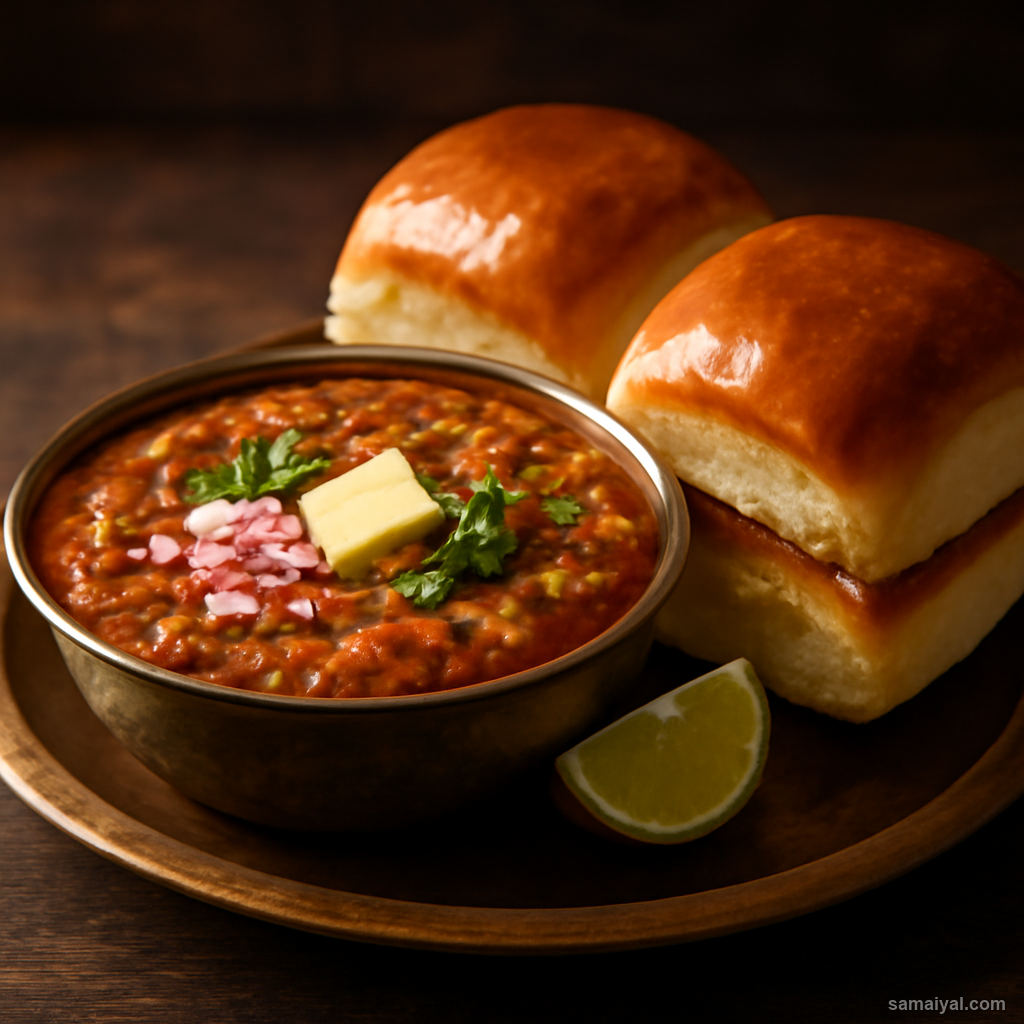
Pav Bhaji
Mumbai's beloved mashed vegetable curry served on butter-toasted soft buns — street food gold.
Tamil Nadu snack — Onion pakoda — the Tamil Nadu monsoon evening snack.

About Onion Pakoda: Onion pakoda is the Tamil Nadu monsoon evening snack — sliced onions in spiced chickpea flour batter, deep-fried into crispy fritters. When monsoon rains begin to drum on rooftops, onion pakoda is the response — quick, deeply satisfying, perfect with hot tea.
Note on source: The original recipe instructions were template-generated boilerplate that incorrectly described pakoda as being "tempered with mustard seeds and cooked slow and low." This applies to savoury vegetables, NOT deep-fried fritters. This rewrite provides correct technique. Pakoda is a deep-fried fritter made from chickpea flour (besan) batter coated around vegetables. Tamil onion pakoda specifically uses onions as the main vegetable.
Gather ingredients: 3 large onions (Tamil onions/red-purple are most authentic but yellow or red onions work well), 1.5 cups besan (chickpea flour, gram flour — available at every Indian grocery), 2 tbsp rice flour (essential for the crispy character that distinguishes Tamil pakoda from typical North Indian pakoda), 1 tsp red chilli powder, 1/4 tsp turmeric powder, 1/2 tsp cumin seeds, 1/4 tsp asafoetida, 1/2 tsp ajwain (carom seeds), 1 sprig fresh curry leaves finely chopped, 1 tsp grated fresh ginger, 2 fresh green chillies finely chopped, 3/4 tsp salt, small pinch of cooking soda (produces lighter, crispier pakoda; use only a pinch — too much produces metallic taste), neutral cooking oil for deep frying.
The critical thin slicing: Cut onions in half, slice each half into thin half-moons (about 2mm thick). Thin slicing produces crispy edges and proper texture.
Mix the dry ingredients: In a wide bowl combine the besan, rice flour, red chilli powder, turmeric, cumin, asafoetida, ajwain, chopped curry leaves, grated ginger, chopped green chillies, the pinch of soda, and salt.
Add onions to dry mix: Add the sliced onions directly to the dry flour mixture (not water yet). Use your hands to mix thoroughly. Squeeze the onions slightly as you mix — this releases their natural moisture.
The critical 5-minute rest: Cover and let the onion-flour mixture rest for 5 minutes. The salt draws moisture from the onions, which combines with the flour to form a natural batter.
Add water gradually: After 5 minutes, add water 2 tbsp at a time, mixing thoroughly. Continue until thick batter just coats the onions — no excess flour visible, no liquid pooling. Tamil-style pakoda is NOT a batter-coated fritter — the onions provide structure; the flour just coats them. Too much water drowns the onions. Target water amount: typically 4-6 tbsp total. Stop adding water as soon as the mixture comes together. The mixture should look like loosely coated onion clusters. Let rest 2-3 minutes while oil heats.
Heat the oil: Use a heavy kadhai or deep frying pan with at least 5cm oil depth. Use 4 cups neutral cooking oil to submerge the pakoda. Heat over medium heat. Test by dropping a tiny piece — should rise within 5 seconds, sizzling vigorously. Target temperature: 170-180°C (340-355°F).
The critical pakoda dropping: Take small clumps (about 1 tablespoon size) and carefully drop into the hot oil. Pakoda are NOT meant to be uniform — drop in irregular clumps, which produces beautifully craggy crispy edges. Add 8-10 pakoda at a time. Do not crowd.
The critical 4-minute fry: Cook each batch for 4 minutes total, gently turning every 60 seconds. At 1 min pale; 2 min golden; 4 min deep golden-brown — the right colour for crispy Tamil pakoda. Initially loud sizzling; gradually slowing as moisture evaporates; finally a gentler steady sizzle when nearly done.
Lift, drain, repeat: Use a slotted spoon to lift out. Drain over the pan briefly. Place on kitchen paper to absorb additional surface oil. Work through all batches — total cooking time about 20-25 minutes.
The critical second salt: While still hot, sprinkle a pinch more salt and red chilli powder. The seasoning sticks better to hot pakoda.
Serve immediately: At peak crispness within 15 minutes of frying. Classic Tamil pairing is fresh coconut chutney with mustard tempering — provides cooling contrast. Bright green mint chutney is equally classic. For monsoon comfort, tangy tomato chutney is the ideal partner. The most iconic pairing is hot Indian tea or filter coffee. The combination during monsoon rain is the soul of Tamil comfort food.
Serve across contexts: For everyday eating with tea as evening snack. At dinner parties as starter with multiple chutneys. Children love pakoda — crispy, savoury, gently spiced; far healthier than commercial snacks.
A cultural and nutritional note: When monsoon rains begin in Tamil Nadu, families gather in the kitchen — elder women fry, children watch and learn, everyone eats fresh pakoda as it comes out. One of the great rainy-day traditions. Despite being deep-fried, Tamil pakoda provides reasonable nutrition — onion fibre, chickpea protein, minerals. Variations: add 1 tbsp finely chopped fresh coriander, 1/4 cup grated cabbage, or 100g sliced potato/eggplant/banana flower along with the onions.
Leftover storage: Best within 30 minutes of frying. Stored in airtight container, they keep for 1 day; refresh by warming in 200°C oven for 5 minutes. Microwaving makes them soggy.
⭐ Featured
Mumbai's beloved mashed vegetable curry served on butter-toasted soft buns — street food gold.

Fluffy steamed chickpea flour cake from Gujarat — light, spongy, tangy and totally addictive.

Mumbai's vegetarian burger — spiced potato dumpling in a fried batter, served in a...
 ⭐ Featured
Crispy golden pastry filled with spiced potatoes and peas — India's most loved snack,...
Comments & Tips
Be the first to share your experience with this recipe!
Leave a Comment