 ⭐ Featured
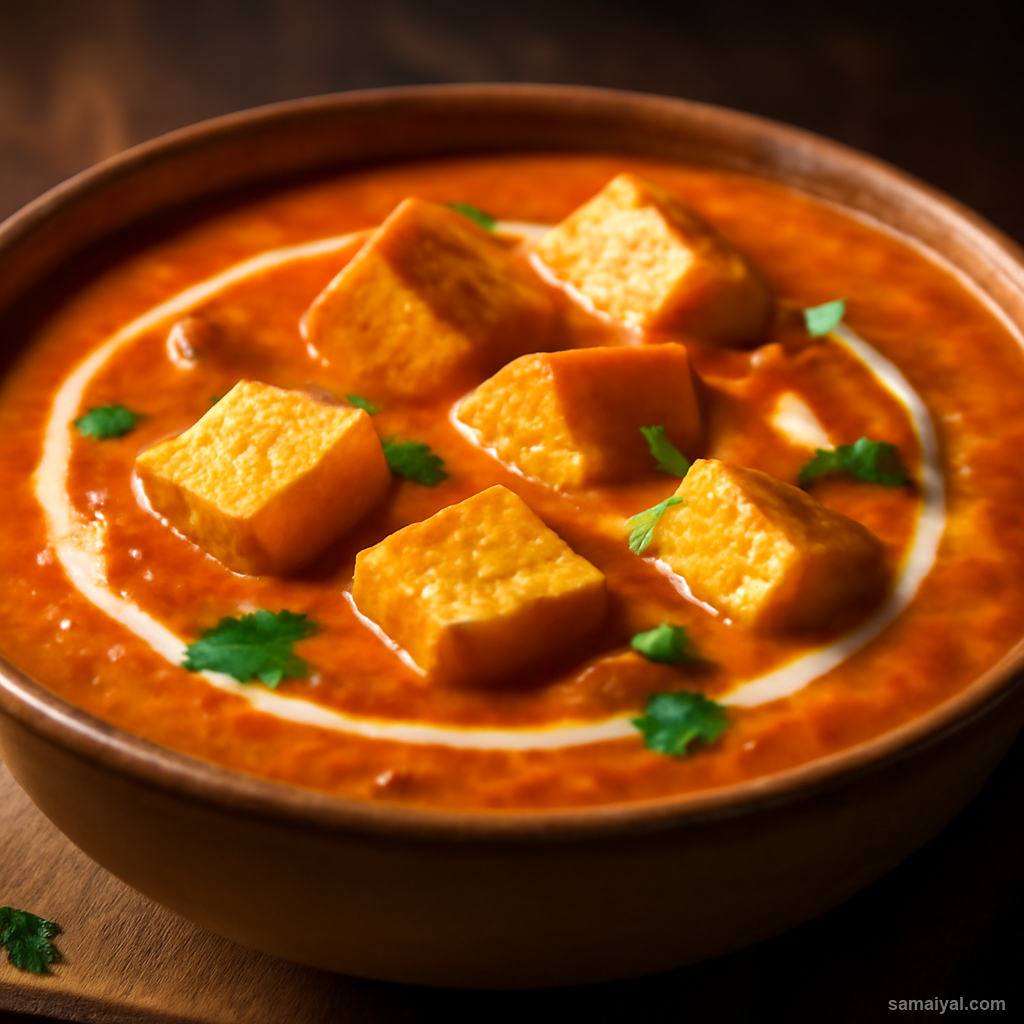
Butter Paneer Masala
Creamy tomato-based curry with soft paneer cubes — the all-time favourite of Indian...
Raw papaya cooked in alkaline khar solution — Arunachali mineral-depth dish borrowed from Assam
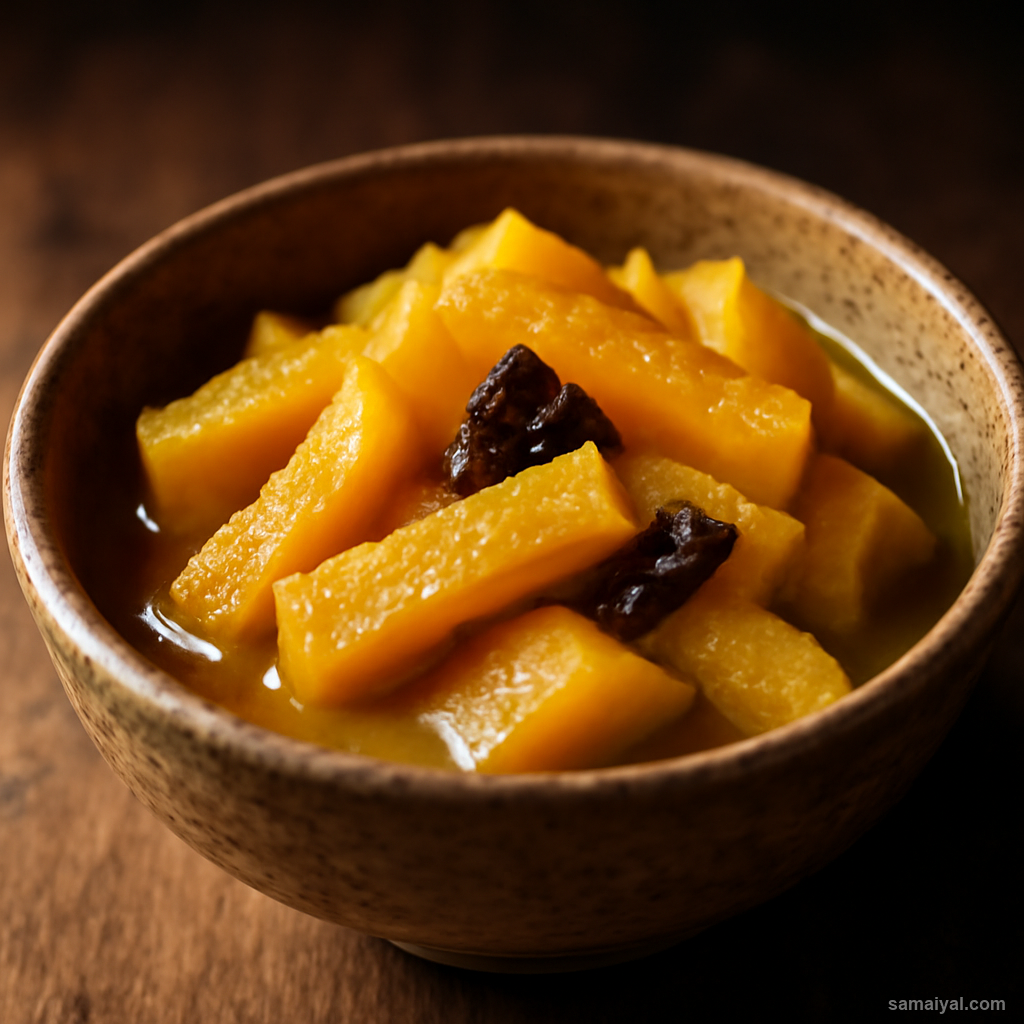
About Omita Khar Papaya: Khar cooking — using alkaline solution as a cooking medium — was borrowed from neighbouring Assam's ancient culinary tradition into the Arunachali plains, particularly among communities along the lower Lohit and Brahmaputra valleys. Raw papaya cooked in baking soda solution has a uniquely mineral depth and a satisfying soft texture that you cannot achieve with regular boiling. It is a typical accompaniment to rice meals.
Understand khar: Authentic khar (called kolakhar in Assamese) is made by burning sun-dried banana skins, soaking the ash in water and filtering. As a beginner, dissolve 1/2 tsp food-grade baking soda (sodium bicarbonate) in 3 cups of water — that is your khar solution. If you have access to authentic Assamese khar, use 2 tbsp instead.
Choose a raw papaya: Use 1 medium raw green papaya — about 600-700g whole. The skin should be deep green with no yellow patches; press it, and it should feel rock hard. Semi-ripe papaya (with any orange tint inside) will turn into mush in the alkaline solution.
Check and prepare: Cut the papaya in half lengthwise. Scoop out and discard the white seeds and stringy material in the centre. The flesh should look pale cream-green and feel firm.
Peel the papaya: Use a sturdy vegetable peeler or knife to remove the green outer skin. The flesh underneath should be uniformly cream-coloured.
Cube the flesh: Cut the peeled papaya into 2cm cubes. Uniform cubes are essential — uneven sizes mean some are mushy while others are still hard.
The critical first rinse: Drop the cubes into a bowl of cold water with 1 tsp salt. Stir briefly. Let sit for 5 minutes. This salt water rinse removes the slightly milky surface latex of raw papaya, which can cause itching for some people. Drain.
Rinse and drain again: Rinse the cubes once more under cold running water. Drain in a colander.
Use the right pot: Use a heavy-bottomed stainless steel or enamel pot. Avoid aluminium, which reacts with the alkaline khar — the resulting taste is metallic and unpleasant.
Bring the khar to a boil: Pour the prepared khar solution (or baking soda water) into the pot. Place over high heat and bring to a rolling boil.
Add the papaya: Carefully add the papaya cubes to the boiling khar. The water level should just cover the cubes; if not, add a little more hot water.
Cook to fully soft: Reduce heat to medium. Cook uncovered for 15-18 minutes, stirring gently every 5 minutes with a wooden spoon (not metal — metal can react with the alkali). The papaya cubes will gradually soften and turn slightly translucent at the edges. The cooking water will turn pale cream-yellow.
The doneness test: Pierce a cube with a fork — it should slide through with no resistance. The cube should still hold its shape, not be falling apart. The texture should be soft like cooked apple, not mushy like overcooked potato.
Drain very thoroughly: Place a colander over a heatproof bowl or empty into the sink. Pour the contents through gently. Discard the cooking liquid completely — it is alkaline and not for any other use.
Let the papaya drain for 2-3 minutes: Excess moisture dilutes the dressing. Spread the drained cubes on a wide plate to release any extra steam.
Prepare the green chillies: Take 2 fresh green chillies. Slit lengthwise and slice into thin rounds.
Dress while warm: Tip the drained papaya cubes back into a dry serving bowl. Drizzle 1 tsp raw mustard oil over the top — the warmth releases the mustard oil aroma immediately, which is essential to the dish.
Add salt and chillies: Sprinkle salt to taste — about 1/2 tsp is usually plenty since the alkaline cooking already provides some mineral salinity. Add the sliced green chillies. Toss extremely gently with a flat spoon to coat without breaking the cubes.
Taste check: The papaya should taste mildly mineral, gently tangy, slightly soft and absorbent of the mustard oil flavour. Adjust salt to your liking.
Garnish and rest: Sprinkle 2 tbsp finely chopped fresh coriander over the top. Let rest for 5 minutes before serving — the flavours marry beautifully during this brief rest.
Serve alongside rice: Omita Khar is traditionally served as a side dish with a meal of steamed rice and dal — eat by mixing a small portion of the papaya into your rice. The alkaline cooking is believed by Assamese and Arunachali tradition to aid digestion, so this dish is often eaten at the start of a meal.
Festive variations: For festival meals, some homes drizzle 1 tsp toasted sesame oil and sprinkle 1 tbsp toasted sesame seeds on top. Others add 1 tsp raw ginger juice for sharpness. Both are delicious upgrades.
Leftover storage: Best eaten the same day — papaya khar loses its character overnight as the alkaline cooking continues to break down the cubes. If you must store, refrigerate up to 1 day and serve at room temperature.
A cultural note: Khar cooking is unique to Assam and parts of Arunachal Pradesh. It is not seen in any other Indian regional cuisine and represents an indigenous food tradition that has survived centuries despite the pressure of pan-Indian cooking styles. Preparing this dish is a small contribution to keeping this distinctive heritage alive.
⭐ Featured
Creamy tomato-based curry with soft paneer cubes — the all-time favourite of Indian...
 ⭐ Featured
Velvety spinach curry with golden-fried paneer — nutritious, vibrant and absolutely delicious.

Bold, tangy chickpea curry packed with spices — a street food staple that works as a main dish.

Dry-spiced potatoes and cauliflower — simple, aromatic, and endlessly satisfying.
Comments & Tips
Be the first to share your experience with this recipe!
Leave a Comment