 ⭐ Featured
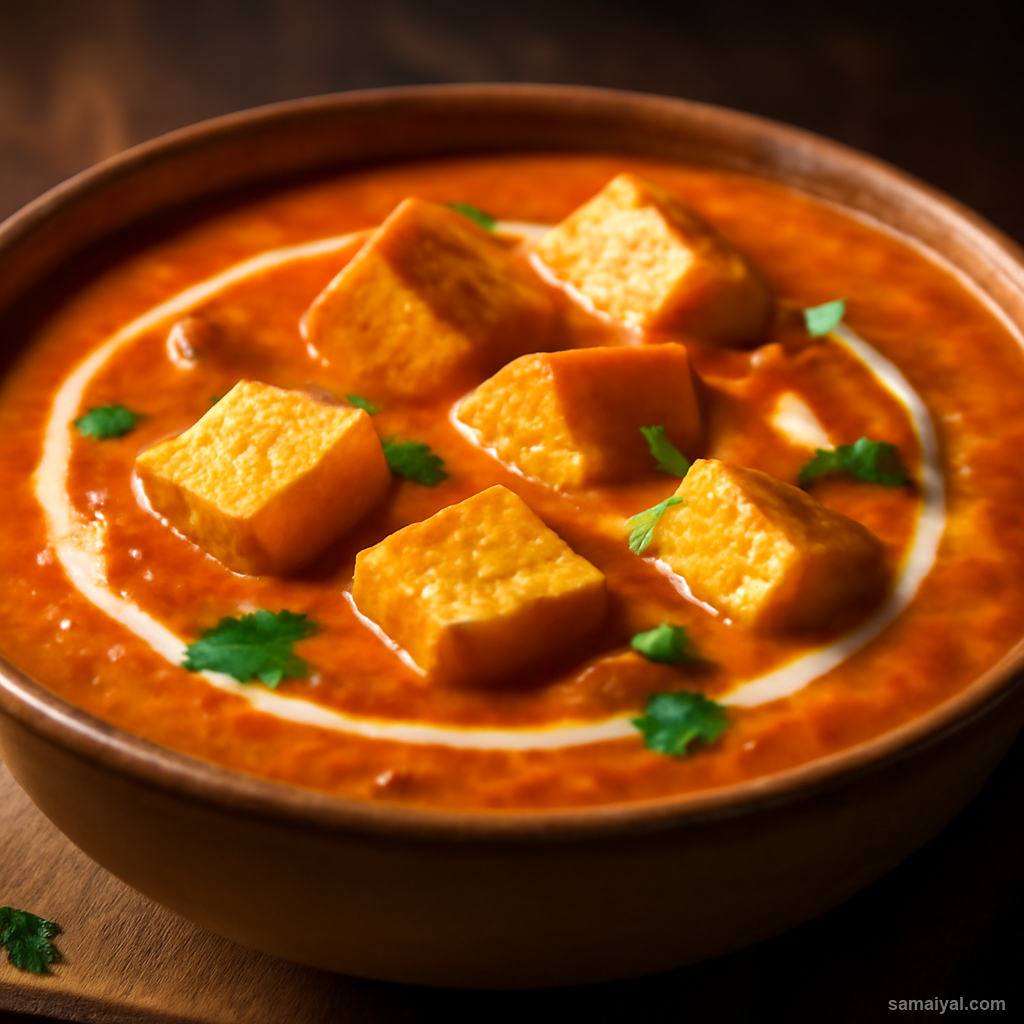
Butter Paneer Masala
Creamy tomato-based curry with soft paneer cubes — the all-time favourite of Indian...
Fermented fish curry of Arunachal river communities — pungent, layered and deeply flavoured

About Ngatok Fish Curry: Ngatok combines fresh river fish with ngari (fermented fish). The fermented and fresh together produce extraordinary depth — like Asian fish sauce meets Indian fish curry. Across Apatani, Adi, and Manipuri communities of the Brahmaputra Valley region (encompassing parts of Arunachal Pradesh, Assam, and Manipur), ngatok is the prized fish dish. The combination of fresh fish with fermented fish (ngari/khorisa-style fermented fish paste) creates uniquely complex flavour. Reflects centuries of Northeast Indian fermentation wisdom: take fish (already protein-rich), ferment some, combine with fresh, produce something both familiar and extraordinary.
Understand ngari: Ngari is fermented fish paste — similar to Indonesian terasi, Filipino bagoong, or Thai padaek. Available at Northeast Indian groceries serving Manipuri, Naga, or Arunachali communities. Distinct from regular fish sauce — ngari is paste-like, not liquid. Substitute with shrimp paste (less authentic but produces similar umami) if ngari unavailable.
Food safety note: Fermented fish products are intensely flavoured and may have strong odour. The cooking process integrates the flavour into the curry without overwhelming. Use sparingly — 1-2 tablespoons per dish for 4 servings.
Gather ingredients: 500g fresh fish (rohu, catla, tilapia, or any firm freshwater fish; catfish/Mahseer also work), 2 tbsp ngari (fermented fish paste), 1 medium onion finely chopped, 4 garlic cloves minced, 1-inch fresh ginger grated, 2 tbsp neutral oil (mustard oil is most authentic), 1 tsp turmeric powder + extra for fish, 1/2 tsp red chilli powder (or 2 green chillies slit), 1 medium tomato chopped, 2 cups water, salt to taste — about 1/2 tsp, fresh coriander to garnish, optional 1 tbsp lemon juice for brightness.
Clean and marinate fish: Wash fish under cold running water. Pat dry with kitchen paper. Cut into 4-5cm pieces. In a wide bowl, combine fish with 1/2 tsp turmeric and 1 tsp salt. Toss gently to coat. Let rest 15 minutes — light salt cure firms the flesh.
Lightly fry the fish: Heat 2 tbsp oil in a heavy-bottomed pan over medium-high heat. Add the marinated fish in a single layer. Fry for 1-2 minutes per side until lightly golden. Do not fully cook through. Remove fish gently with a slotted spoon and set aside.
The critical ngari treatment: In the same pan with remaining oil, add the 2 tbsp ngari. Stir for 1-2 minutes — the paste releases its intense aroma and integrates with the oil. Watch carefully — ngari can scorch easily. The aroma will be strong; this is intentional and will mellow as the curry cooks.
Fry the aromatics: Add the chopped onion to the ngari-oil mixture. Stir-fry on medium heat for 3 minutes until soft and just golden. Add the minced garlic and grated ginger. Stir for 1 more minute until fragrant.
Add tomato and spices: Add the chopped tomato. Stir for 4 minutes until tomato breaks down into a slightly chunky sauce. Sprinkle in 1 tsp turmeric and 1/2 tsp red chilli powder (or add slit green chillies). Stir for 30 seconds — spices bloom in the hot oil.
Add water and bring to boil: Pour in 2 cups hot water. Add salt to taste — about 1/2 tsp (the fish was already salted). Stir to combine. Bring to a gentle boil over medium-high heat.
Return the fish: Once boiling, gently slide the fried fish pieces back into the pot. Reduce heat to medium-low.
The critical 8-minute simmer: Cover the pot with a lid (slightly ajar to prevent overflow). Simmer gently for 8 minutes — fish cooks through and integrates with the broth without breaking apart. Do not stir aggressively — fish breaks easily.
Doneness, final taste, and finish: Pierce fish — should flake easily but still hold shape, look opaque. Broth should be cloudy and complex-tasting. Should taste deeply complex — fish flavour clearly present, with ngari's characteristic umami depth, gentle warming spices, and bright tomato acid. If too intense from ngari, simmer 2-3 more minutes uncovered. If not assertive enough, add 1 tsp more ngari. Switch off heat. Sprinkle 2 tbsp chopped fresh coriander over top. Add 1 tbsp lemon juice if desired for brightness.
Serve immediately with rice: Serve hot over plain steamed rice — the classic Northeast Indian pairing. Pair with simple sides — a small bowl of dal, a side of stir-fried greens, and pickle. The Northeast Indian meal philosophy: complex flavoured central dish with simple sides. For an elaborate Arunachali meal, pair with marua finger millet roti (recipe id 1108), bamboo shoot curry (recipe id 1104), or pork dishes.
For those new to ngari, traditional eating, variations: The intense fermented character can be surprising — start with smaller portions to acclimate the palate. The combination of fresh and fermented fish reflects deep Northeast Indian fermentation wisdom. Variations: add 100g cubed potato or 100g chopped pumpkin for a more substantial dish; reduce ngari to 1 tablespoon for a lighter version; add 1/2 raja mircha (ghost chilli, gloves required) for fierce heat.
A cultural, scientific note: The ngatok tradition reflects centuries of Northeast Indian fermentation wisdom. As modern refrigeration has made fresh fish available year-round, traditional fermented fish preparation has declined. Cooks who maintain the tradition are valuable cultural keepers. The combination of fresh and fermented protein provides exceptional amino acid profile, B vitamins, omega-3 fatty acids. The fermentation process produces additional beneficial compounds. Modern nutrition recognises traditional fermented fish products as nutritionally superior to non-fermented preparations.
Leftover storage: Stored in fridge in an airtight container, ngatok keeps for 1-2 days. Reheat gently on the stovetop with a splash of water — never microwave at high power, which makes fish rubbery. The flavours integrate further overnight. Best made fresh — texture is at peak immediately after cooking.
⭐ Featured
Creamy tomato-based curry with soft paneer cubes — the all-time favourite of Indian...
 ⭐ Featured
Velvety spinach curry with golden-fried paneer — nutritious, vibrant and absolutely delicious.

Bold, tangy chickpea curry packed with spices — a street food staple that works as a main dish.

Dry-spiced potatoes and cauliflower — simple, aromatic, and endlessly satisfying.
Comments & Tips
Be the first to share your experience with this recipe!
Leave a Comment