 ⭐ Featured
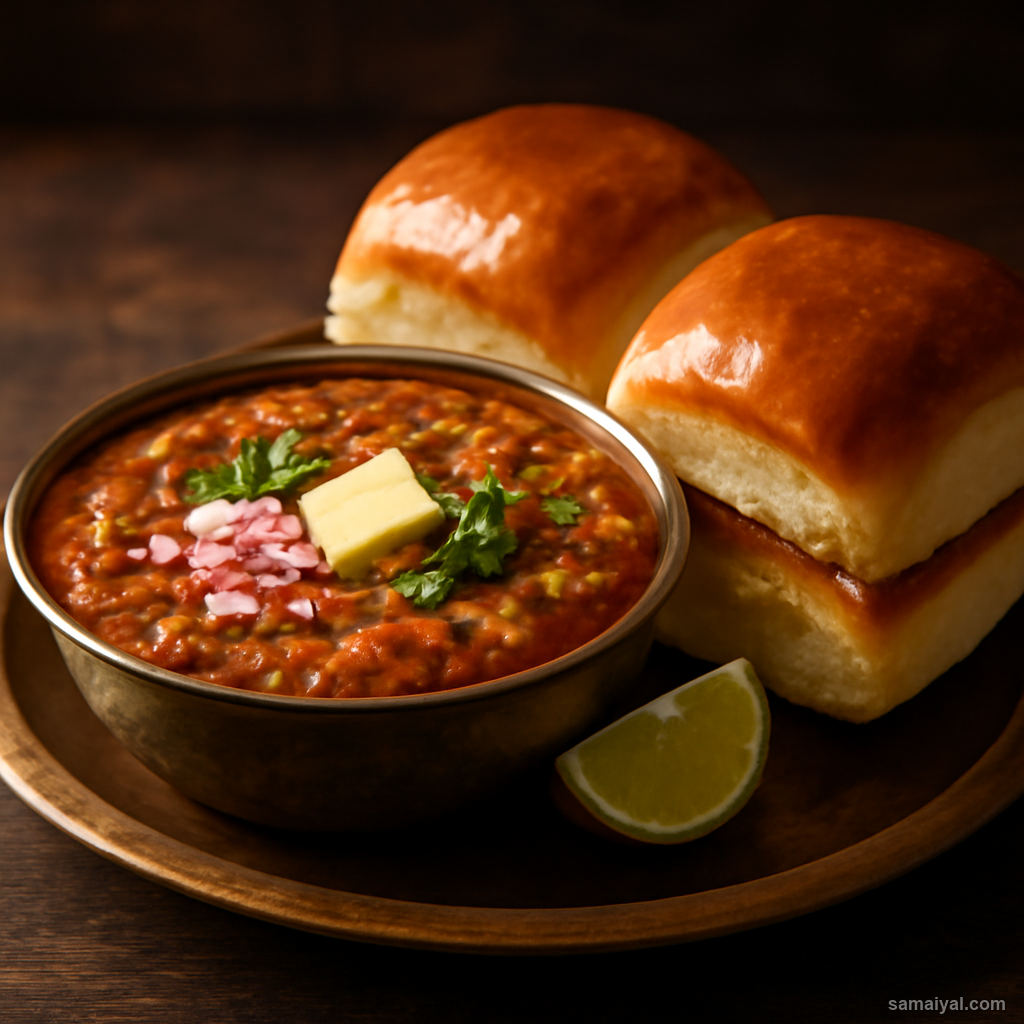
Pav Bhaji
Mumbai's beloved mashed vegetable curry served on butter-toasted soft buns — street food gold.
Dried red weaver ants processed with green chilli, ginger and salt into a pungent, sour chutney — the traditional protein-high condiment of the tribal communities of Koraput and Malkangiri districts of southern Odisha. One of the most unusual and nutritionally dense preparations in Indian tribal cooking.

Collect or obtain the ants and eggs: Red weaver ants (Oecophylla smaragdina) build nests in trees — the tribal communities of Koraput collect entire nest sections during the season. The nests contain adults, pupae and eggs — all are used.
Process the ants: Place the ants and eggs in a pan on medium heat. Dry roast stirring for 3 to 4 minutes until they are lightly cooked and their moisture evaporates. The ants naturally contain formic acid which provides the characteristic sourness.
Cool completely: Allow the roasted ants to cool.
Grind roughly: Place the cooled ants in a stone grinder or heavy mortar. Add green chilli, ginger and salt. Grind coarsely — the ants should be broken down but the texture should remain slightly grainy.
Taste: The chutney should be: sour (from the formic acid naturally present in the ants), mildly spicy (from the green chilli), pungent and very savoury. Add more salt or chilli as needed.
Add lemon: Add a squeeze of lemon.
Serve: Serve as a chutney alongside rice, with boiled vegetables or as a condiment with the main meal.
Storage: The chapda chutney can be stored in a sealed jar for 2 to 3 days.
Note on nutrition: Red weaver ants are exceptionally high in protein, zinc and Vitamin C — the natural formic acid also has antimicrobial properties. Tribal communities of Koraput use chapda as a food and as a folk remedy for joint pain.
Seasonal availability: Red weaver ant nests are collected only from April to June when the season allows — outside this window the preparation is not possible.
Note: Chapda Chutney (chapda = red weaver ant in the Odia tribal dialects) is the most distinctive preparation of the tribal communities of the Koraput plateau — one of the most forested and biodiversity-high regions of India. The practice of eating insects is ancient among the tribal communities of eastern India — the Kondh, Bondha and Gadaba communities of Koraput have consumed red ant preparations for millennia as a seasonal protein source. The preparation received national attention after being featured in food documentaries on tribal cuisines of India.
⭐ Featured
Mumbai's beloved mashed vegetable curry served on butter-toasted soft buns — street food gold.

Fluffy steamed chickpea flour cake from Gujarat — light, spongy, tangy and totally addictive.

Mumbai's vegetarian burger — spiced potato dumpling in a fried batter, served in a...
 ⭐ Featured
Crispy golden pastry filled with spiced potatoes and peas — India's most loved snack,...
Comments & Tips
Be the first to share your experience with this recipe!
Leave a Comment