 ⭐ Featured
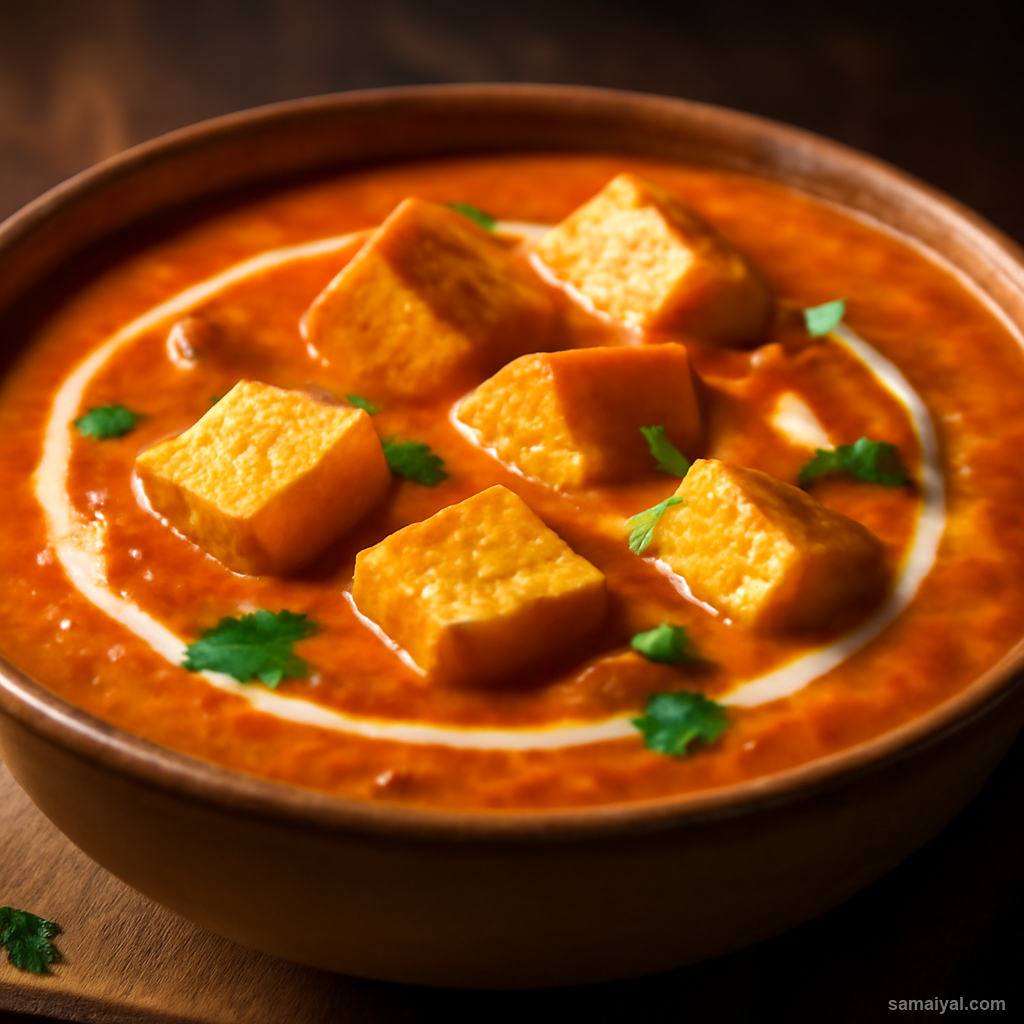
Butter Paneer Masala
Creamy tomato-based curry with soft paneer cubes — the all-time favourite of Indian...
Sticky rice cooked inside fresh bamboo tubes over open fire — smoky, aromatic and authentically tribal

About Kholam Bamboo Tube Rice: Kholam is one of the most unique cooking methods in India. The bamboo internodes (the segments between bamboo joints) serve as the cooking vessel — soaked rice is filled inside, ends sealed, and the entire tube cooked over wood fire. The bamboo imparts subtle aromatic character that no other cooking method can match. Across Apatani, Adi, Galo, Nyishi, and Naga communities, kholam is traditional ceremonial cooking — appearing at major festivals, important guest events, and special family occasions.
IMPORTANT bamboo selection: Use FRESH GREEN bamboo internodes (sections between bamboo joints). Available at Northeast Indian groceries during bamboo season, or grow your own. Dried bamboo cannot be used. Substitute with thick foil packets cooked over fire — produces similar steamed texture but lacks the bamboo aroma.
Gather ingredients: 1.5 cups short or medium-grain rice (sticky/glutinous rice produces traditional sticky texture; regular short-grain works for less sticky version), 2 fresh bamboo internodes (each about 30cm long, 5-7cm diameter, with closed natural bottom and one open end), 1 tsp salt, 3 cups water, optional 1 tbsp ghee or butter for richer character, optional 1 tsp grated ginger or 2 tbsp finely chopped fresh herbs.
Wash the bamboo: Choose bamboo that is fresh and green (not dried or yellowed), uniformly thick-walled (about 1cm thick), with intact natural bottoms. Avoid bamboo with cracks or splits. Thoroughly wash the bamboo exterior under cold running water. Use a brush or rough cloth to scrub off any dirt or insects. Rinse the inside of the tubes — reach in with a clean cloth or paper towel to wipe the inside.
Prepare the rice: Wash rice in 3-4 changes of cold water until water runs mostly clear. Soak in plenty of cold water for 30 minutes. Drain in a sieve.
Fill the bamboo tubes: Mix the soaked drained rice with 1 tsp salt and 3 cups water. If using ghee or aromatics, add them now. Spoon the rice mixture into each bamboo tube, filling about 60-70% full (rice expands during cooking). Do not overfill.
Seal the tubes: Take fresh banana leaves or aluminum foil. Plug the open end of each bamboo tube with the leaf or foil — fold or twist firmly to create a tight seal. The seal must be airtight or steam will escape and rice won't cook properly.
Prepare the cooking fire: Traditional method uses an open wood fire — preferably hardwood (oak, hickory, or local hardwoods). Modern adaptation: use a charcoal grill or campfire. The cooking position is critical — bamboo tubes are placed at the edge of the fire, not directly over the hottest flames. The heat should be moderate (about 200-250°C/400-480°F).
The critical cooking position: Lean the bamboo tubes against rocks or stones at the edge of the fire — at about 30-degree angle, with the sealed end up. The sealed end up keeps the steam inside. The bamboo will char and blacken on the outside as cooking progresses.
The critical 30-minute cook: Cook for 25-30 minutes, rotating the tubes every 5-7 minutes for even cooking. The bamboo will char dramatically — this is normal and expected. The exterior will turn black-brown; the interior stays intact.
Doneness check: Rotate one tube to release some steam from the seal. The escaping steam should smell deeply rice-bamboo fragrant. Slice through the bamboo seal carefully and check if rice is fully cooked. Properly cooked rice is tender, slightly sticky, fully expanded. If undercooked, return to fire and cook 10 more minutes.
Let rest and open: Remove the cooked bamboo tubes from the fire. Let cool for 10-15 minutes — handles much easier when cooler. Use a sharp knife to slice the bamboo tube longitudinally. Open the tube to reveal the cooked rice inside. The rice will be fragrant, slightly steamed, and beautifully shaped to the tube interior.
Serve immediately: Lift the cooked rice from the bamboo tube onto a serving plate. Each tube serves about 4 people. The rice is deeply fragrant — bamboo character integrated. Pair with traditional Arunachali accompaniments: bamboo shoot curry (1104), smoked pork (1113), pork dishes, vegetable stews, fermented soybean (pehak, 1111). The combination of bamboo-cooked rice with bamboo-shoot curry produces a unique double-bamboo flavour signature that is iconic Arunachali eating.
Serve at special occasions: Traditional kholam is for major festivals, important guest events, and ceremonial meals. Not everyday cooking — but iconic for special occasions. As bamboo becomes harder to obtain in modern Arunachali life, kholam appears less frequently. The technique itself is part of the experience — diners are often invited to watch the cooking process.
For those new to kholam and variations: The bamboo aroma is gentle but distinctive — different from any other rice cooking method. Variations: add 1/4 cup green peas, 50g cooked smoked pork pieces, 1 tbsp finely chopped wild herbs to the rice mixture before filling the tubes.
A cultural and ecological note: The kholam tradition reflects deep Arunachali integration with the local environment — using bamboo as both cooking vessel and aromatic ingredient. Bamboo grows abundantly in Arunachal's tropical and subtropical climate. Each serving provides moderate calories from rice, basic protein, vitamins from any added ingredients.
Leftover storage: Cooked rice keeps for 1-2 days in fridge in an airtight container. Refresh by warming briefly in a hot dry pan with a splash of water. The bamboo aroma is at its peak when fresh — fades slightly with storage.
⭐ Featured
Creamy tomato-based curry with soft paneer cubes — the all-time favourite of Indian...
 ⭐ Featured
Velvety spinach curry with golden-fried paneer — nutritious, vibrant and absolutely delicious.

Bold, tangy chickpea curry packed with spices — a street food staple that works as a main dish.

Dry-spiced potatoes and cauliflower — simple, aromatic, and endlessly satisfying.
Comments & Tips
Be the first to share your experience with this recipe!
Leave a Comment