 ⭐ Featured
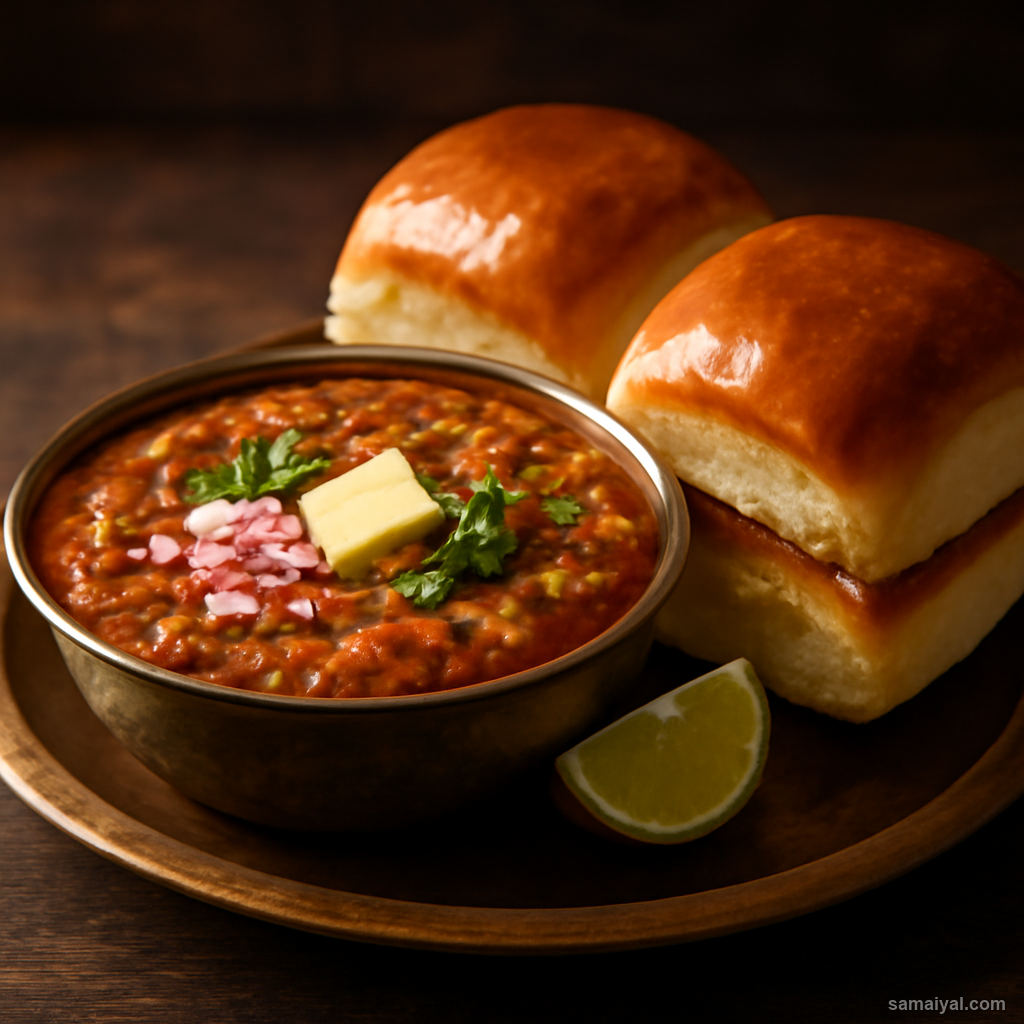
Pav Bhaji
Mumbai's beloved mashed vegetable curry served on butter-toasted soft buns — street food gold.
Tamil Nadu snack — Greens-infused vada — iron-rich village fritter.
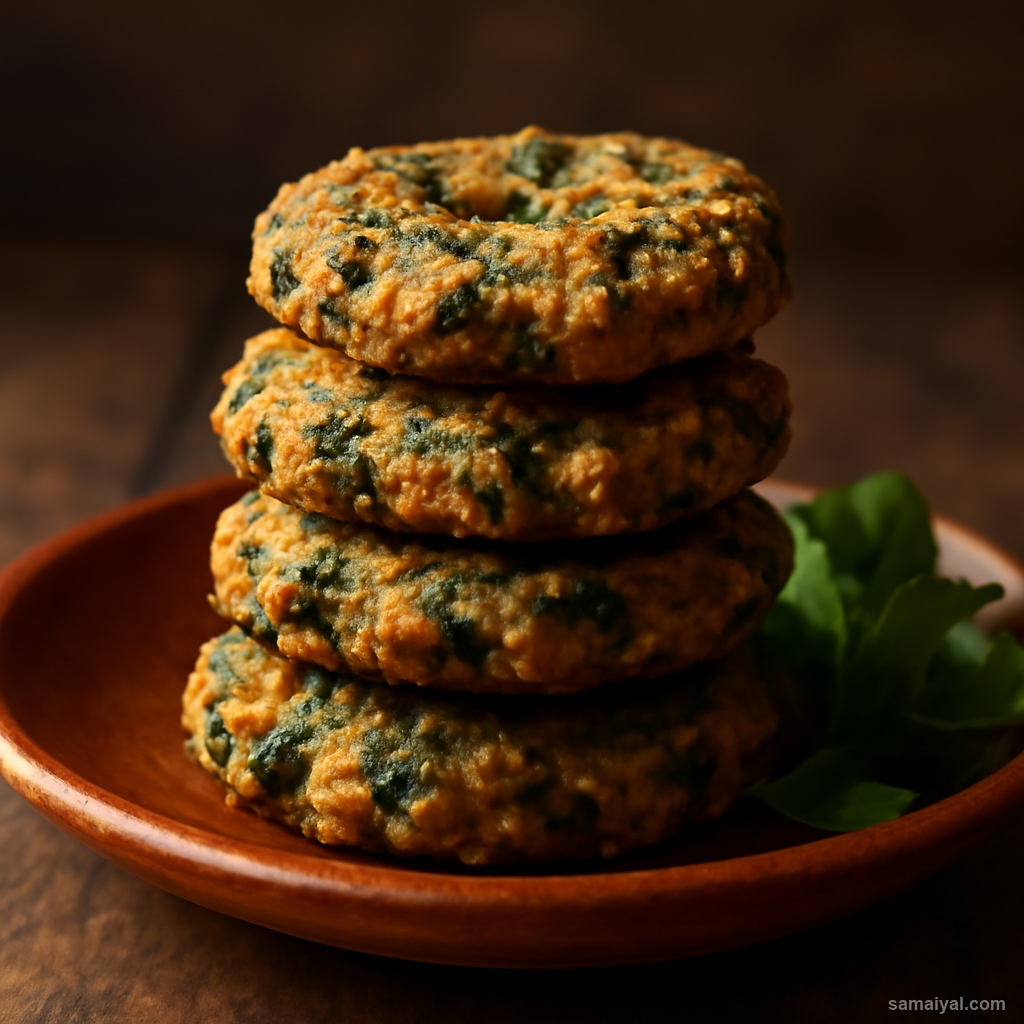
About Keerai Vadai: Keerai Vadai is greens-infused vada — iron-rich village fritter. Combines "keerai" (Tamil for greens, particularly amaranth, spinach, drumstick leaves) with "vadai" (fritter). Across rural Tamil Nadu, keerai vadai is the iron-rich snack supporting working families — particularly women, children, and pregnant women who need iron supplementation. Demonstrates Tamil rural wisdom: take the urad dal vada, add nutritious greens, produce something both delicious and genuinely health-supporting.
Note on source: The original recipe instructions were template-generated boilerplate that incorrectly described vadai as being tempered with mustard seeds. None of this applies to deep-fried fritters. This rewrite provides correct technique. Keerai Vadai is essentially urad dal vada (medu vada) with greens mixed in.
Gather ingredients: 1 cup whole urad dal (split black gram, white version — provides protein structure that holds vada together), 1 cup finely chopped greens (traditional Tamil choice is araikkeerai/amaranth or siru keerai/small amaranth; spinach works as substitute; fresh moringa/drumstick leaves provide exceptional iron and calcium; leafy substitutes include fenugreek/methi, watercress, mustard greens), 2 finely chopped green chillies, 1 tsp grated fresh ginger, 1 tsp cumin seeds, 1/4 tsp asafoetida, 1 sprig fresh curry leaves chopped, salt to taste — about 3/4 tsp, neutral oil for deep frying.
Wash and prepare greens: Place chopped greens in a large bowl of cold water. Swirl gently. Drain and rinse 2-3 times. Spread on a clean cloth or kitchen paper. Pat very dry — wet greens make wet batter.
The critical 2-hour soak: Wash urad dal in 2-3 changes of cold water. Cover with cold water and soak for 2 hours. Less soaking produces hard vada; more soaking produces watery batter. Drain in a sieve. Dal should look plump and pale white-cream.
The critical grinding: Place soaked drained urad dal in a small grinder. Grind for 4-5 minutes until very smooth and fluffy. Add water sparingly — only 1-2 tbsp at a time, only if needed. Properly ground urad dal is light and fluffy — like whipped cream in texture. The fluffiness produces light crispy vada. Smoothness check: rub a small amount between your fingers, should feel completely smooth, not gritty. Water test: drop a small ball of batter into a bowl of water; properly fluffy batter floats.
Mix in greens and spices: To the ground urad dal add the chopped greens, chopped green chillies, grated ginger, cumin seeds, asafoetida, chopped curry leaves, and salt. Use your hands to mix gently for 1 minute, ensuring everything is evenly distributed throughout the fluffy batter. Mix gently — vigorous stirring deflates the fluffy batter.
Consistency check: Batter should be thick enough to hold its shape — when scooped with a spoon, should not flow off. If too wet, add 1-2 tbsp rice flour to firm up. If too dry, add 1-2 tsp water — but only as much as needed.
Set up cooking station: Have ready: a small bowl of cold water for wetting hands, the prepared batter, the deep frying pan with oil, a slotted spoon, and kitchen paper for draining. Use a heavy-bottomed kadhai with at least 5cm of oil depth. Use enough neutral cooking oil to submerge the vada — typically 4 cups. Heat the oil over medium heat. Test by dropping a tiny piece of batter — should rise to surface within 5 seconds, sizzling vigorously. Target: 170-175°C (340-350°F).
Shape and fry: The critical wet-hand technique — wet your hands in the cold water, prevents the sticky batter from clinging. Take a small portion of batter (about 2 tablespoons) into your wet hand. Pat into a round disc about 6cm wide. Make a small hole in the centre with your thumb (the traditional vada shape — helps even cooking). Alternative: just form a round patty without the centre hole. Carefully slide the shaped vada into the hot oil from low height. Stand back briefly — splatter at first contact. Add 4-5 vada at a time. Do not crowd.
The critical 4-minute fry: Cook each batch for 4 minutes total, gently turning each vada once at 2 minutes for even browning. At 2 minutes, vada are pale golden. At 4 minutes, deep golden-brown — the right colour for properly cooked vada. Use a slotted spoon to lift the cooked vada. Drain over the pan briefly. Place on kitchen paper to absorb additional surface oil. Continue frying batch after batch. Total cooking time: about 20-25 minutes.
Serve immediately: Keerai Vadai is at peak crispness within 15 minutes of frying. Serve with coconut chutney (the classic Tamil pairing — fresh coconut chutney with mustard tempering). Vadai dunked briefly in hot sambar (the iconic Tamil "vada-sambar") is a beloved combination. For variety, bright green mint-coriander chutney is excellent. The most iconic pairing for evening eating is hot tea. Tamil breakfast tradition includes vadai with idli or dosai for substantial morning meals.
For children, pregnant women, anaemia, athletes: Children love vadai — crispy outside, soft inside, with greens hidden in the batter (a sneaky way to get vegetables into resistant eaters). For pregnant women, the combination of urad dal protein, iron from greens, and folate makes keerai vadai genuinely beneficial during pregnancy. Many Tamil grandmothers specifically make vadai for pregnant family members. People with iron-deficiency anaemia benefit from vadai with iron-rich greens — particularly amaranth, drumstick leaves, or fenugreek. The substantial calorie content combined with portable nature makes vadai excellent worker's food for outdoor labour.
Variations: Some Tamil families add 2 tbsp grated coconut to the batter for sweetness. Others add 1/4 tsp black pepper for warming character. For methi (fenugreek) version: replace the keerai with fresh fenugreek leaves — slight bitter character, exceptional nutritional value, particularly for diabetes management. For moringa version: replace with moringa leaves — exceptional calcium and iron content.
A cultural and nutritional note: The keerai vadai tradition reflects Tamil rural ingenuity — combining the beloved fried snack tradition (vadai) with the iron-rich greens (keerai) that traditional Tamil women understood are essential for menstruating women, pregnant women, and growing children. Long before modern nutritional science, Tamil grandmothers knew the connection between greens, iron, and women's health. Each vadai provides approximately 4-5g protein, substantial iron, B vitamins, and fibre. Eaten with chutney or sambar, the meal becomes nutritionally complete.
Leftover storage: Best within 30 minutes of frying. Stored in fridge for 1 day; refresh by warming in a 200°C oven for 5 minutes. Microwaving makes them soggy.
⭐ Featured
Mumbai's beloved mashed vegetable curry served on butter-toasted soft buns — street food gold.

Fluffy steamed chickpea flour cake from Gujarat — light, spongy, tangy and totally addictive.

Mumbai's vegetarian burger — spiced potato dumpling in a fried batter, served in a...
 ⭐ Featured
Crispy golden pastry filled with spiced potatoes and peas — India's most loved snack,...
Comments & Tips
Be the first to share your experience with this recipe!
Leave a Comment