 ⭐ Featured
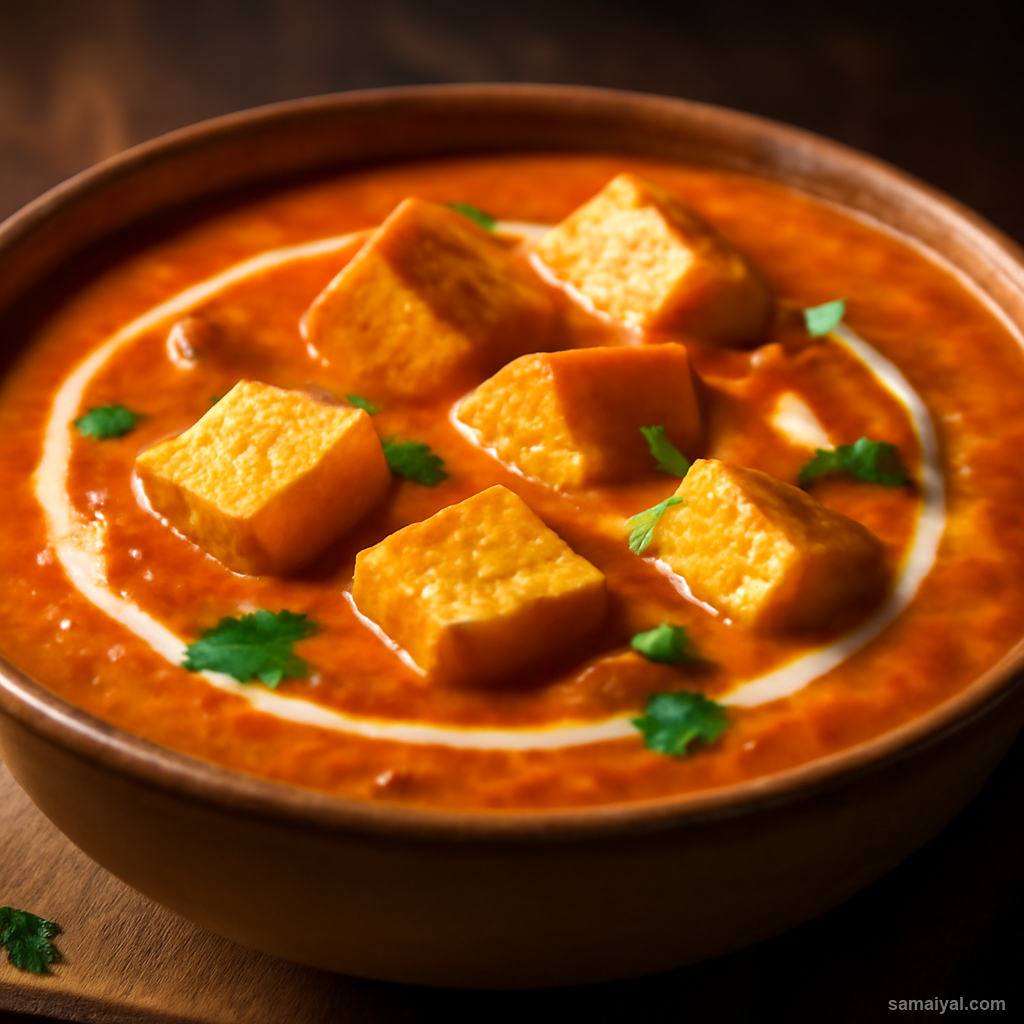
Butter Paneer Masala
Creamy tomato-based curry with soft paneer cubes — the all-time favourite of Indian...
Fragrant Joha aromatic rice simply steamed — the prized native rice of Assam
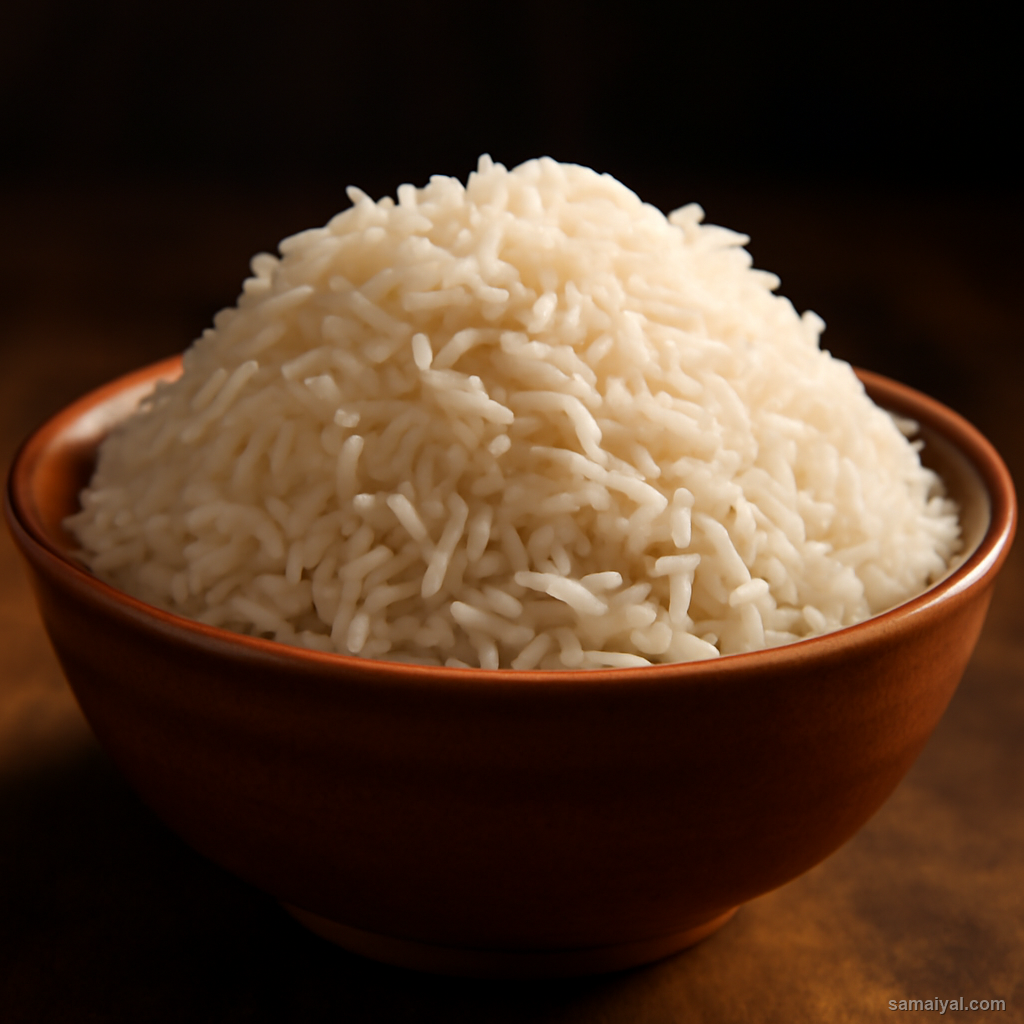
About Joha Bhat: Joha is the prized aromatic rice native to Assam — naturally fragrant with a gentle sweet aroma that fills the kitchen as it cooks. Often called the basmati of Assam, it is grown in the Brahmaputra valley and is the rice served at Bihu feasts, weddings and special meals. Cooked simply with no spices, the rice itself is the star.
Understand Joha rice: Joha is a short-to-medium grain aromatic rice — different from long-grain basmati but equally fragrant. The grains are slightly stubby with a clear pearly white colour. If unavailable, Govindbhog from Bihar/Bengal is the closest substitute; basmati works but is a different style.
Buy quality Joha: Look for Joha rice at Indian groceries specialising in Northeast Indian foods, or online. Aged Joha (over 1 year old) cooks fluffier than fresh — the freshness is in the aroma, not the cooking quality.
Wash gently: Place 2 cups of Joha rice in a wide bowl. Cover with cold water and gently swirl with your fingers — do not scrub aggressively, which breaks the grains. Drain through a sieve.
Wash multiple times: Repeat the washing 3-4 times until the water runs almost clear. Removing the surface starch is what produces fluffy, separated, non-sticky rice. Aromatic rice especially needs proper washing or it becomes gummy.
Soak the rice: After the final wash, cover the rice with 4 cups of cold water and soak for 20 minutes. Soaking allows the grains to absorb water gently — they will cook to perfectly soft, separated grains rather than partly hard, partly mushy.
Drain the rice: After soaking, drain the rice in a sieve and let drip dry for 5 minutes — wet rice clumps together when first added to boiling water.
Measure the cooking water: Use exactly 3 cups of fresh water for 2 cups of soaked Joha rice. The 1.5:1 ratio is critical — too much water produces mushy rice; too little leaves uncooked grains. After the 20-minute soak, this proportion is precisely right.
Use the right pot: Use a heavy-bottomed pot with a tight-fitting lid. The lid is important; loose-fitting lids let steam escape, which slows cooking and dries out the grains. Pots with thin bottoms scorch the rice on the bottom.
Bring water to boil: Pour the 3 cups of fresh water into the pot. Add 1/2 tsp salt (optional but enhances the natural flavour). Place over high heat and bring to a full rolling boil — bubbles across the entire surface.
Add the drained rice: Tip the drained Joha rice into the boiling water. The water level will drop slightly. Do not stir aggressively; one gentle stir to settle the rice is enough — too much stirring breaks the grains.
Reduce heat to lowest: Once the water returns to a boil after adding the rice (about 30-45 seconds), immediately reduce heat to the absolute lowest setting your stove allows. Cover the pot tightly with the lid.
The cardinal rule of cooking aromatic rice: Do not lift the lid for the next 15 minutes. Every time you lift the lid, escaping steam slows down cooking and the rice cooks unevenly. The aroma will start filling the kitchen at around 8 minutes — that is normal and a good sign.
Check doneness at 15 minutes: Lift the lid carefully (away from your face — steam burns badly). The water should be fully absorbed and small holes (called fish-eyes) should appear on the surface of the rice. If water still pools, cover and cook 2-3 more minutes.
Turn off heat and rest: Once the water is absorbed, switch off the heat completely. Replace the lid. Let the rice rest in the covered pot for 5-7 minutes. This rest is critical — it lets the residual steam finish cooking the grains evenly and firms them up so they will not break when fluffed.
Fluff with a fork: Open the lid. Use a fork to fluff the rice gently — never use a spoon, which crushes the grains. Lift from the bottom and turn over, separating the grains.
Smell the aroma: At this point the kitchen should be filled with the gentle sweet floral aroma that gives Joha its name. The grains should look pearly white, separated and glossy.
Serve immediately: Joha bhat tastes best within 15-20 minutes of cooking — the aroma is at its peak when freshly cooked. Serve as the foundation of any Assamese meal — alongside fish curry, mustard greens (Assam Saag), or a simple dal. The flavour pairs especially beautifully with steamed fish, mustard oil and a side of yogurt.
Leftover Joha: Cooled Joha rice keeps in the fridge for 2 days. Use leftover rice for fried rice, dahi bhaat (yogurt rice), or reheat with a splash of water in a covered bowl in the microwave for 1 minute. Avoid reheating Joha at high heat — the delicate aroma fades fast under aggressive heat.
⭐ Featured
Creamy tomato-based curry with soft paneer cubes — the all-time favourite of Indian...
 ⭐ Featured
Velvety spinach curry with golden-fried paneer — nutritious, vibrant and absolutely delicious.

Bold, tangy chickpea curry packed with spices — a street food staple that works as a main dish.

Dry-spiced potatoes and cauliflower — simple, aromatic, and endlessly satisfying.
Comments & Tips
Be the first to share your experience with this recipe!
Leave a Comment