 ⭐ Featured
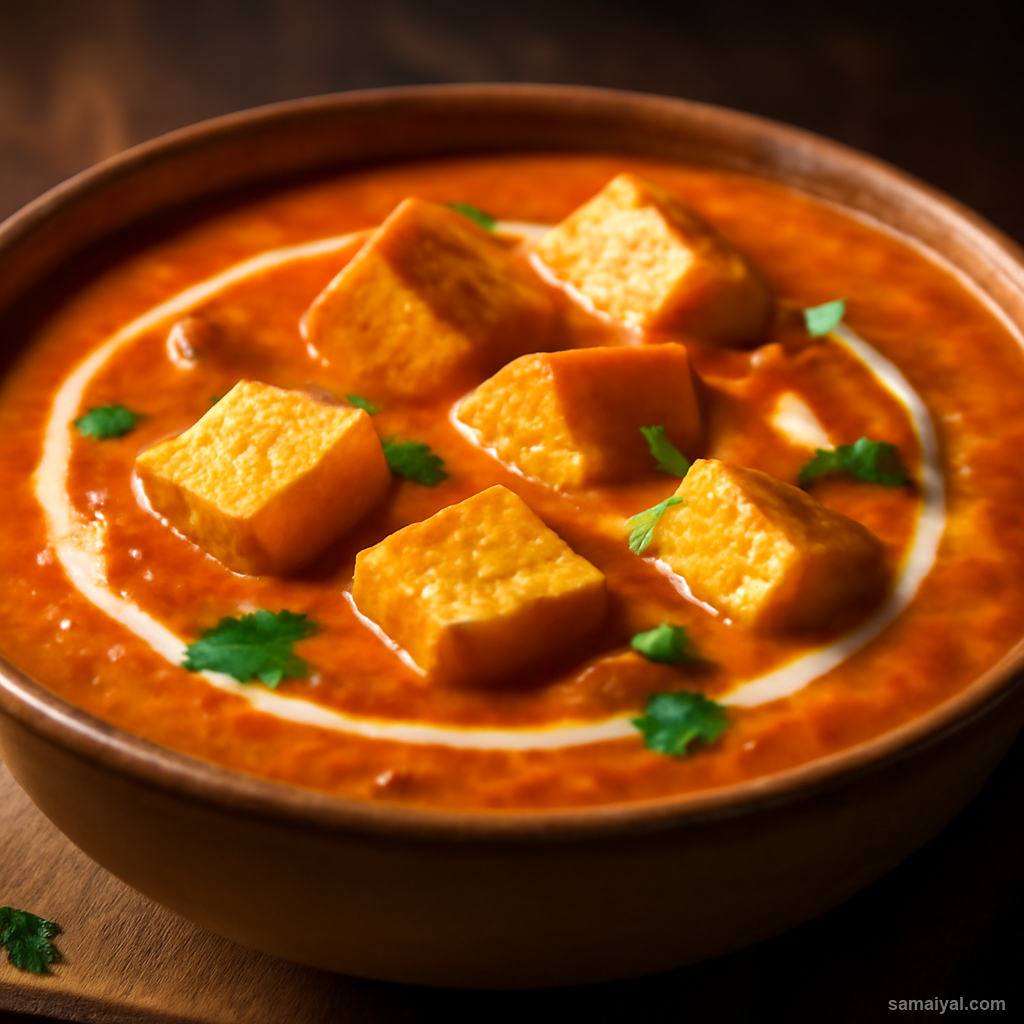
Butter Paneer Masala
Creamy tomato-based curry with soft paneer cubes — the all-time favourite of Indian...
Kabuli chickpeas slow-cooked in a thick, fragrant yogurt gravy with whole spices — the centrepiece of the Himachali Dham (festive community meal). The yogurt is never allowed to boil which keeps the gravy pale, smooth and distinctly Himachali.

Pressure cook the chickpeas: Drain soaked kabuli chana. Pressure cook with 3 cups fresh water and a pinch of salt on high for first whistle then medium for 10 to 12 whistles until completely soft — they should mash easily when pressed. Drain, reserving 1/2 cup cooking liquid.
Heat ghee generously: Heat 3 tbsp ghee in a heavy, wide pot on medium heat. Ghee is essential — oil will not produce the authentic Himachali flavour.
Add whole spices: Add crushed cardamom, cloves, cinnamon, bay leaves and cumin seeds. Let them sizzle for 20 to 30 seconds until very fragrant.
Add asafoetida and ginger: Add asafoetida. Stir 5 seconds. Add ginger paste. Stir continuously for 1 minute.
Add dry spice powders on low heat: Turn heat to the absolute lowest setting. Add coriander powder, cumin powder, turmeric and black pepper. Stir on low heat for 2 minutes. The spices must cook in the ghee on low heat — not burn.
Add yogurt — the critical step: The yogurt must go in at LOW heat. Turn off the flame completely for 30 seconds. Then add the beaten smooth yogurt. Turn heat to the very lowest setting. Stir continuously for 5 to 8 minutes on low heat. Never let the yogurt boil — boiling splits it and ruins the texture. The yogurt will slowly warm and thicken, turning pale golden.
Add the cooked chickpeas: Add the drained chickpeas and a little of the reserved cooking liquid. Stir gently to combine with the yogurt gravy.
Add sugar and salt: Add sugar and salt. Stir.
Simmer on lowest heat — without boiling: Cook on the very lowest heat for 15 to 20 minutes, stirring every 3 minutes. The madra should be thick and creamy — the yogurt gravy coating every chickpea. Add saffron milk if using.
Serve as part of the Dham meal: Serve in a deep bowl alongside steamed rice and other Dham preparations. The madra should be pale golden, thick and deeply fragrant from the ghee and whole spices.
Note: Madra is the centrepiece of the Himachali Dham — the grand community feast served at weddings, festivals and temple celebrations across Himachal Pradesh. The Dham is cooked by specialist cooks called botis who prepare food in massive iron woks over wood fires for hundreds of guests. The defining technique of madra is the yogurt-cooking method — the yogurt is added cold and warmed slowly without boiling, producing a silky gravy unique to this preparation. Madra is also made with kidney beans or lotus seeds in different variations.
⭐ Featured
Creamy tomato-based curry with soft paneer cubes — the all-time favourite of Indian...
 ⭐ Featured
Velvety spinach curry with golden-fried paneer — nutritious, vibrant and absolutely delicious.

Bold, tangy chickpea curry packed with spices — a street food staple that works as a main dish.

Dry-spiced potatoes and cauliflower — simple, aromatic, and endlessly satisfying.
Comments & Tips
Be the first to share your experience with this recipe!
Leave a Comment