 ⭐ Featured
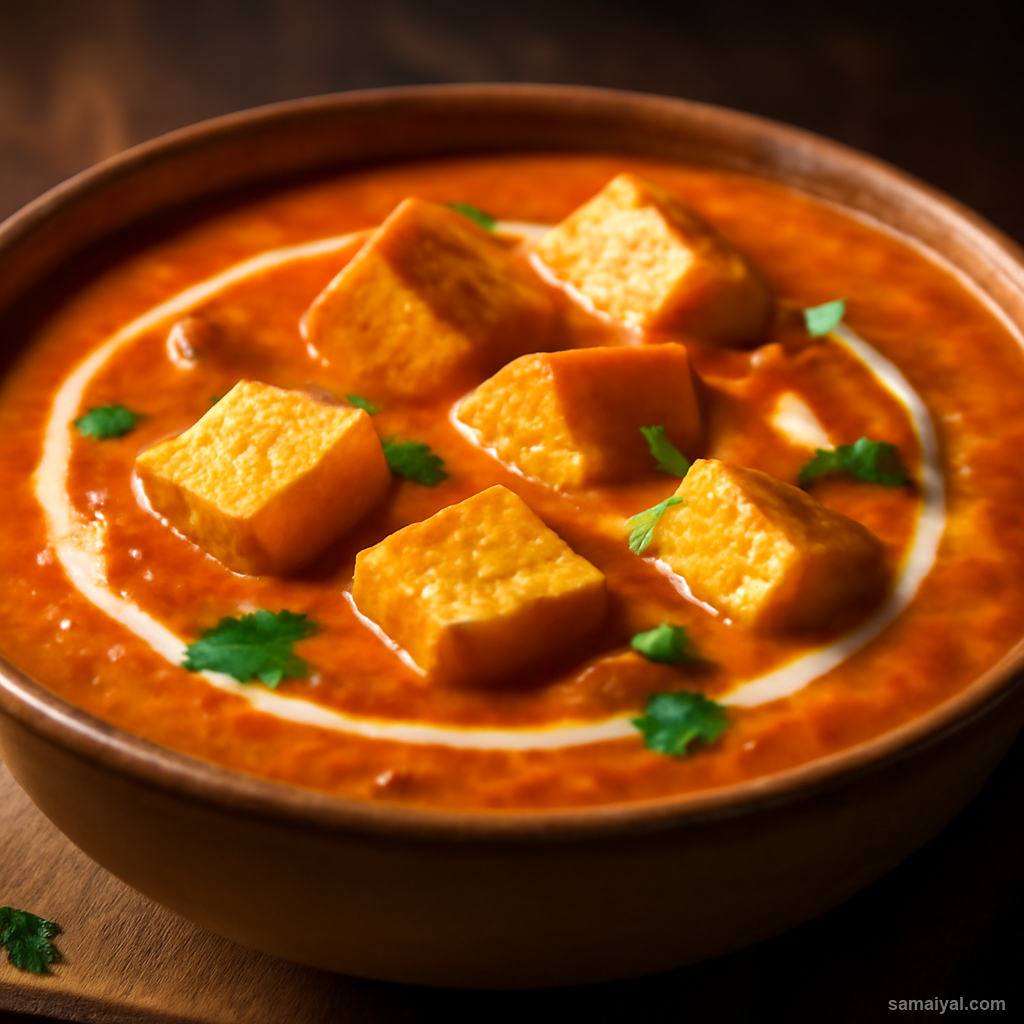
Butter Paneer Masala
Creamy tomato-based curry with soft paneer cubes — the all-time favourite of Indian...
Mixed tsampa and rice porridge with butter — the nourishing daily bowl of the Monpa tribe of Tawang

About Gyapa Khazi Tsampa Porridge: Gyapa Khazi is the Monpa tribe's mixed grain porridge. Tsampa (roasted barley flour) is the quintessential highland fuel grain. Across the Tawang region of Arunachal Pradesh — where Monpa Tibetan-Buddhist culture predominates — gyapa khazi is the morning bowl. The combination of rice and tsampa with butter is the kind of substantial, warming highland breakfast that powers monks at Tawang Monastery and farmers in nearby villages through cold mountain mornings.
Understand tsampa: Tsampa is roasted barley flour — barley grains are toasted before being ground into flour. The roasting gives tsampa a deep nutty character and improves digestibility. Tsampa is the foundational grain of Tibetan-Buddhist culinary tradition. Available at specialty Asian markets, particularly those serving Tibetan, Bhutanese, or Himalayan communities. Look for "tsampa" or "roasted barley flour." To make at home: toast 1 cup pearl barley in a dry heavy pan over medium-low heat for 8-10 minutes until deeply golden and nutty-smelling, cool completely, then grind to fine flour. Substitute with toasted whole wheat flour or roasted oat flour if no barley.
Gather ingredients: 1/2 cup short or medium-grain rice (long-grain basmati does not break down properly), 1 cup tsampa, 4 cups water, 2 tbsp butter (preferably yak butter for most authentic Monpa character; European-style unsalted butter is closest substitute; ghee also acceptable), salt to taste — about 3/4 tsp. Some Monpa traditions use highland-grown red rice or barley rice for a more rustic version.
Wash and start the rice: Place rice in a wide bowl. Cover with cold water and gently swirl. Drain through a sieve. Repeat 2-3 times until water runs mostly clear. Use a heavy-bottomed pot (thin pots will scorch the porridge on the bottom). Place rice and 4 cups water in the pot. Bring to a vigorous boil over high heat.
The critical 20-minute rice cook: Once boiling, reduce heat to the lowest setting your stove allows. Cook on lowest heat 20 minutes, stirring every 3-4 minutes with a wooden spoon. Each time you stir, scrape the bottom thoroughly — rice porridge scorches easily. After 5 minutes, rice grains are soft. After 10 minutes, the rice has started breaking down. After 20 minutes, porridge should be uniformly soft, with the rice completely broken down into a flowing porridge.
Doneness check: Should be thick and flowing — like thick cream of wheat. Individual rice grains should be barely visible — they should have broken down into the cooking liquid. If too thick, stir in 2-3 tbsp boiling water. If too thin, continue cooking 5-10 more minutes uncovered.
Add the tsampa: While porridge is at a gentle simmer, gradually sprinkle the 1 cup tsampa flour over the surface in a slow steady stream. Stir constantly with a whisk during the addition — whisking prevents lumps. Tsampa loves to lump if not whisked properly. The full pour should take 60-90 seconds. Do not stop whisking during this time.
The critical second cook: After all tsampa is incorporated, continue whisking on lowest heat for 10 more minutes. This time allows the tsampa to fully cook through (eliminating any raw flour taste), and the porridge to reach final thickness. The porridge thickens further as the tsampa cooks — should be very thick, pulling away slightly from the sides as you stir, but still flowing enough to spoon.
Consistency adjustment: Properly thick gyapa khazi holds its shape on a spoon for several seconds before slumping. If too thick, stir in 2-3 tbsp boiling water. If too thin, cook 5 more minutes.
Add butter and salt: Switch off the heat. Add the 2 tbsp butter to the hot porridge. Stir until fully melted and incorporated. As the butter melts and integrates, the porridge will deepen in colour to a beautiful golden-cream and develop a distinctly more luxurious texture. Add salt to taste — about 3/4 tsp. Tsampa porridge is meant to be moderately salty — Tibetan-Buddhist tradition prefers savoury rather than sweet porridge.
Serve immediately: At peak hot, when texture is glossy and butter is fully integrated. Pour into deep bowls or wooden bowls — traditional Monpa wooden bowls retain heat beautifully. Some Monpa families add an additional small pat of butter on top of each bowl — melts into the warm porridge as eaten, adding extra richness.
Serve with butter tea: Most traditionally, gyapa khazi is paired with butter tea (drink it on the side, or stir small amounts into the porridge as you eat). The two foods complement each other perfectly — bitter-salty tea balances the buttery rich porridge.
Serve across contexts: This is the traditional Monpa breakfast — eaten before heading out to work or attending temple services. For lighter dinner, the porridge is hearty enough to satisfy without other dishes. Particularly satisfying on cold mountain mornings — the dense calorie-rich character provides hours of physical warmth and energy. Tsampa is traditional altitude food — easily digested, high in minerals, providing sustained energy. Mountaineers heading to high elevations have used tsampa for decades. Children love this porridge — soft, mildly buttery, with the slight nutty character of tsampa.
Variations: Some Monpa families add 2 tbsp grated cheese (yak cheese is most authentic; cheddar works as substitute) just before serving — produces a richer cheese-tsampa version. Others stir in 1 tbsp dried apricots or raisins for sweetness.
A cultural and historical note: Tsampa is genuinely the foundational grain of Tibetan-Buddhist civilization. References to tsampa appear in Tibetan texts from the 9th century. The grain has supported monasteries, nomadic herders, mountain farmers, and pilgrims for over a thousand years. At Tawang Monastery and other Tibetan-Buddhist monasteries, tsampa is considered sacred — used in religious offerings, festival foods, and daily monk meals. Barley is exceptionally rich in beta-glucans (heart-healthy fibre), B vitamins, and minerals. The roasting in tsampa makes it more digestible than raw barley flour.
Leftover storage: Stored in fridge in an airtight container, the porridge keeps for 2-3 days. Texture firms up considerably overnight as rice and tsampa continue absorbing moisture. Refresh by stirring in 2-3 tbsp warm milk or water before reheating gently on the stovetop.
⭐ Featured
Creamy tomato-based curry with soft paneer cubes — the all-time favourite of Indian...
 ⭐ Featured
Velvety spinach curry with golden-fried paneer — nutritious, vibrant and absolutely delicious.

Bold, tangy chickpea curry packed with spices — a street food staple that works as a main dish.

Dry-spiced potatoes and cauliflower — simple, aromatic, and endlessly satisfying.
Comments & Tips
Be the first to share your experience with this recipe!
Leave a Comment