 ⭐ Featured
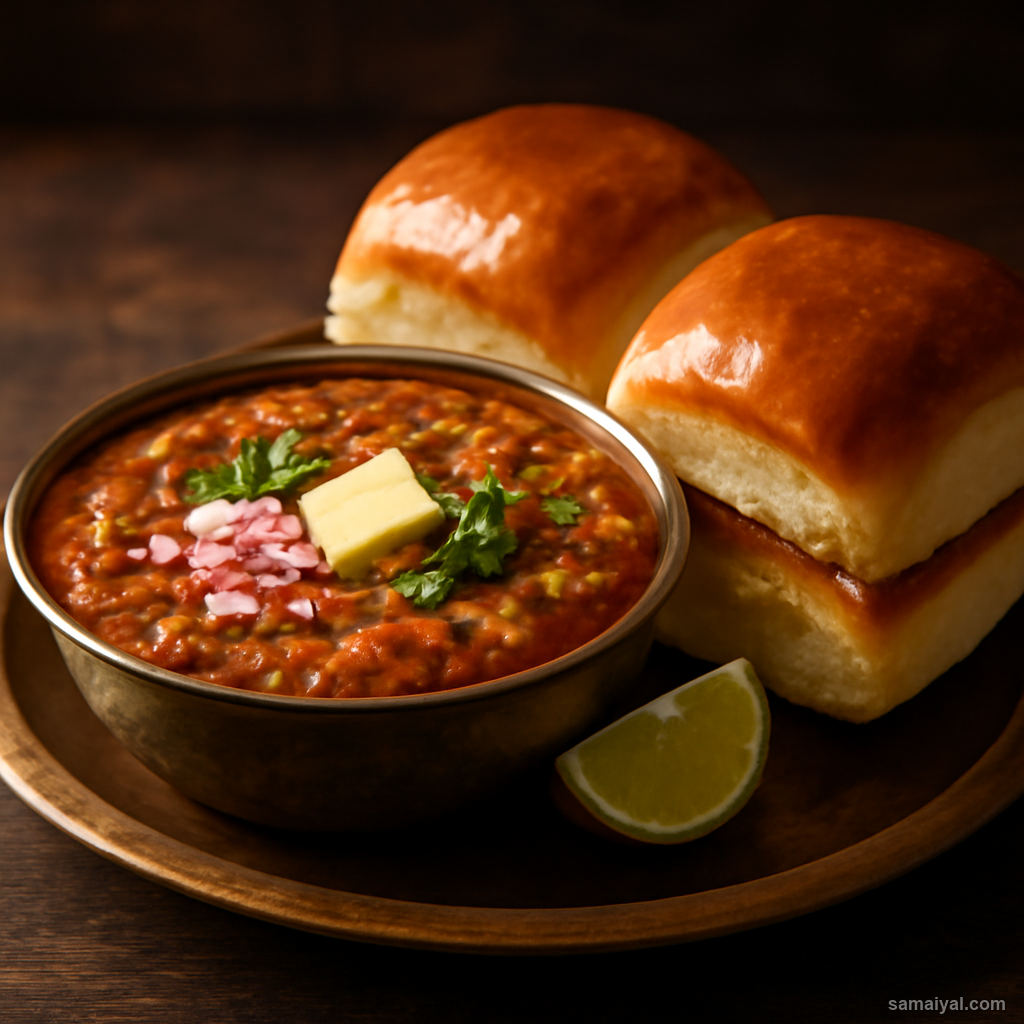
Pav Bhaji
Mumbai's beloved mashed vegetable curry served on butter-toasted soft buns — street food gold.
Roasted garlic pounded with dried chilli and mustard oil — the essential condiment of every Arunachali table

About Garlic Chilli Paste: Pounded garlic-chilli paste is present at every Arunachali meal — a condiment, dipping sauce and cooking ingredient all at once. The technique is simple but the precision matters: roasted garlic provides sweet-savoury depth, dried chillies provide concentrated heat, and mustard oil provides the pungent aromatic backbone. Together they make a paste that elevates plain rice or grilled meat into something memorable.
Understand the garlic-chilli combination: This is a tribal tradition where every house has its own jar. Each family's paste tastes slightly different based on the specific chillies used and the roasting technique. The basics are universal — garlic + chilli + mustard oil + salt — but the personality varies.
Choose the garlic: Use 1 whole garlic bulb (about 10-12 cloves). The bulb should be firm with tight, papery skin. Avoid bulbs with green sprouts emerging — those are old and bitter.
Understand the chilli choice: Use 6 dried red chillies. Indian dried chillies (Kashmiri, guntur, or local Northeast varieties) work best. Adjust quantity based on heat level — Kashmiri chillies are mild, so use 8; bird's-eye chillies are hot, so use 4.
The critical garlic roasting: This is the dish's defining step. Place the whole garlic bulb directly on a medium gas flame, holding by the firm root end with long tongs. Turn every 90 seconds for 8 minutes total.
Watch the garlic transform: As it roasts, the outer paper skin will char and turn black, the cloves inside will soften dramatically. The smell will turn from raw to caramelised-sweet. The bulb is ready when the outside is mostly blackened and the cloves feel completely soft when pressed (carefully — it is hot).
For oven roasting (alternative): If you have no gas flame, wrap the garlic bulb in foil with a drizzle of oil and roast at 200C for 35-40 minutes. The result is similar but lacks the smoky char of open-flame roasting.
Dry-roast the chillies: While the garlic cools, heat a heavy dry pan over medium heat. Add the dried red chillies. Toast for 1 minute, shaking the pan often, until the chillies darken slightly and release a sharp aromatic smoke.
Watch the chillies: Do not over-roast. Burnt chillies taste bitter and unpleasant. The chillies should darken to a deep brick-red but not turn black.
Let everything cool: Transfer the toasted chillies and the roasted garlic to a plate. Cool for 5 minutes. Hot ingredients are difficult to grind cleanly.
Peel the garlic: Once cool enough to handle, peel away the charred outer skin. Pop out each soft clove. Some Arunachali families leave a few flecks of charred skin in for extra smoky character — entirely optional.
De-stem the chillies: Pinch off the green stems and discard.
The traditional pounding: Place the cooled roasted garlic cloves, toasted chillies and 1/2 tsp salt in a heavy stone mortar. Pound for 3-5 minutes with steady pressure.
The consistency goal: The paste should turn rough and chunky — visible bits of chilli and garlic, not a smooth puree. The traditional Arunachali rough texture provides bursts of flavour with each bite.
If no mortar — use a small grinder: Pulse 6-8 times in a small grinder, scraping down between pulses. Do not run continuously — over-grinding produces a smooth paste that loses character.
Add the mustard oil: Drizzle in 1 tsp raw mustard oil. The raw oil is essential — it provides the signature pungent aroma. Stir gently to combine.
Add lemon juice: Add 1 tsp fresh lemon juice. The lemon brightens the paste and balances the richness of roasted garlic.
Mix to combine: Stir until the oil and lemon juice are evenly distributed through the paste.
Taste check (carefully): Touch the tip of a clean spoon to the paste. Then touch only the very tip of your tongue with that spoon. The paste is intensely flavoured — full spoonfuls are too much. The paste should hit you with multiple flavours: deeply caramelised garlic, sharp chilli heat, pungent mustard oil, bright lemon, gentle salt.
Adjust seasonings: If too thick, add 1/2 tsp more mustard oil or 1/2 tsp warm water. If under-salted, pound in another 1/4 tsp salt. If too hot, no easy fix — dilute by pounding in 1 more roasted garlic clove.
Store in a clean dry jar: Transfer to a small clean dry sterilised glass jar (sterilise by rinsing with boiling water and drying completely). Smooth the surface and pour 1/2 tsp more mustard oil on top to create an oil seal. Cover tightly with the lid.
Refrigerate: Store in the fridge. Properly made and stored, this paste keeps for up to 2 weeks.
Use a clean spoon: Always use a clean dry spoon to scoop paste from the jar. Moisture introduces bacteria.
Using as a condiment: Place a small bowl on the table. Diners take 1/4 to 1/2 tsp to mix into rice or dab onto bites. A little goes a long way.
Using as a cooking base: Add 1 tsp to the oil at the start of cooking curries — produces an instant garlic-chilli-oil base.
Using as a marinade: Mix 1 tbsp with 1 tbsp oil and 1 tsp lemon juice for a marinade for grilled meats. Pair beautifully with chicken, pork, or fish.
Using in soups: Stir 1/2 tsp into clear soups (like watercress soup, recipe id 1133) for instant heat and flavour.
The traditional Arunachali way: At family meals, the garlic chilli paste sits in the centre of the table. Each diner takes their own portion and mixes into their food as they prefer. Some take a tiny dab; others spread it generously. The paste personalises each diner's meal.
A cultural note: This paste is one of several condiment-pastes that appear across Arunachali tribal kitchens. Each community has its own variation — some add fermented soybean, some add ginger, some smoke the chillies. The basic garlic-chilli version is the foundation; the variations are personal and family signatures passed down through generations.
Leftover storage: Stored properly (clean spoon, dry jar, refrigerated), the paste keeps for up to 2 weeks. The flavour deepens beautifully over the first week as the garlic, chilli and mustard oil integrate. Discard if you see mould (rare with proper storage) or detect any off-smell.
⭐ Featured
Mumbai's beloved mashed vegetable curry served on butter-toasted soft buns — street food gold.

Fluffy steamed chickpea flour cake from Gujarat — light, spongy, tangy and totally addictive.

Mumbai's vegetarian burger — spiced potato dumpling in a fried batter, served in a...
 ⭐ Featured
Crispy golden pastry filled with spiced potatoes and peas — India's most loved snack,...
Comments & Tips
Be the first to share your experience with this recipe!
Leave a Comment