 ⭐ Featured
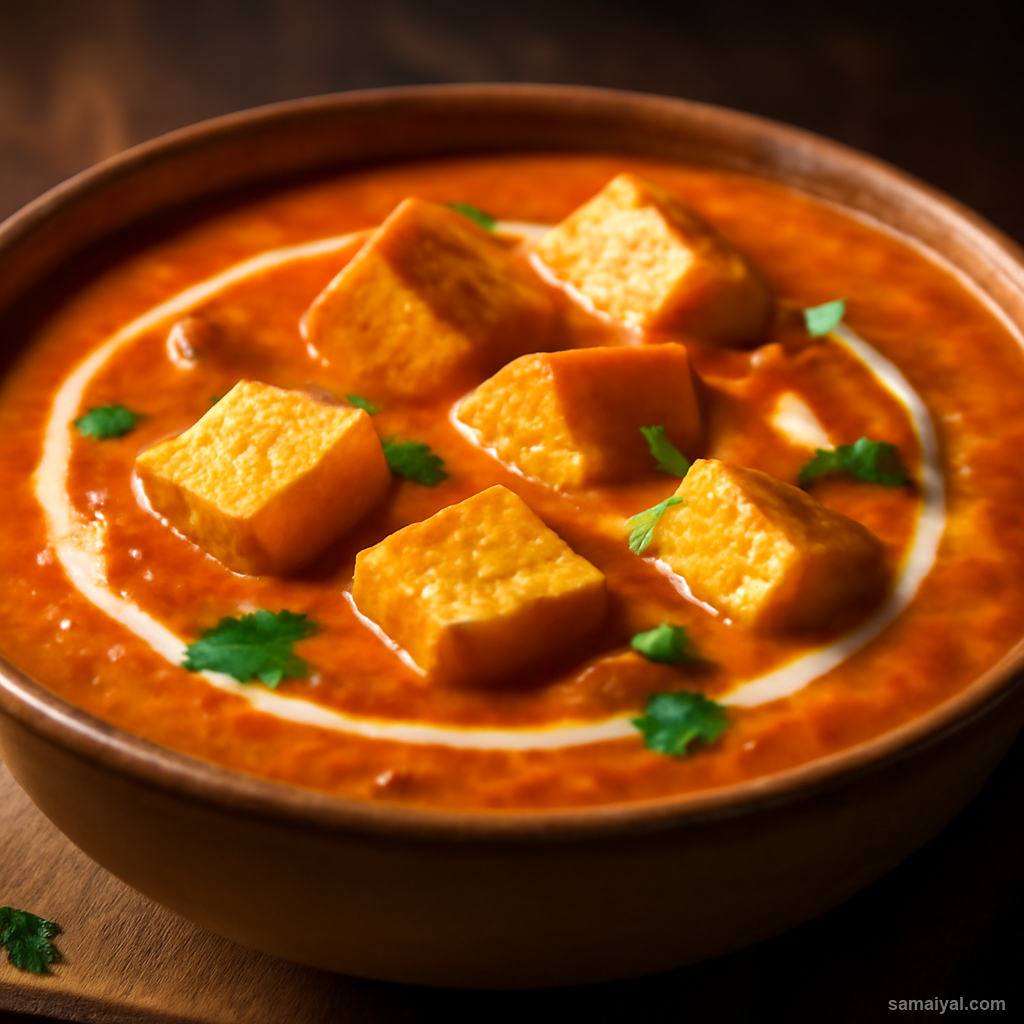
Butter Paneer Masala
Creamy tomato-based curry with soft paneer cubes — the all-time favourite of Indian...
Rice porridge with mountain herbs — the warming winter meal of the Monpa tribe

About Dung Po Winter Porridge: Dung Po is the warming rice porridge of the Monpa tribe — the Tibetan-origin community living in the high Himalayan valleys of Tawang and West Kameng districts of Arunachal Pradesh. Simple, sustaining, and deeply nourishing, it is the everyday breakfast and dinner of mountain communities through the cold winter months when temperatures drop below freezing.
Understand the Monpa context: The Monpa are an ethnic group with strong cultural ties to Bhutan and Tibet. Their food traditions reflect the harsh high-altitude environment — simple ingredients prepared with minimal fuss, designed for maximum warmth and nourishment.
Choose plain white rice: Use 1 cup of plain white rice. Short-grain rice (similar to Italian Arborio or Japanese sushi rice) is most authentic for porridge — it breaks down properly during long cooking.
Wash the rice: Place the rice in a wide bowl. Cover with cold water and gently swirl. Drain through a sieve. Repeat 3-4 times until the water is mostly clear.
Prepare mountain vegetables: Use 1 cup of finely chopped vegetables. Traditional Monpa kitchens use whatever is available — turnips, radishes, mountain greens, or pumpkin if in season. For home cooking, use a mix of root vegetables and greens. Best combinations: 1/2 cup diced turnip + 1/4 cup spinach + 1/4 cup diced carrot.
Finely chop the vegetables: All vegetables should be diced into 5mm pieces — small enough to cook through during the porridge cooking time, integrated rather than chunky.
Prepare the ginger: Take a 1-inch piece of fresh ginger. Peel and grate finely to get 1 tsp. The Monpa diet uses generous ginger for its warming properties — essential in high-altitude cold weather.
Understand the dried herbs: Traditional dung po uses dried mountain herbs — particularly Himalayan thyme or wild oregano. For home cooking, use 1 tsp dried thyme or oregano (Italian-style is fine substitute) plus 1/4 tsp dried ginger powder.
If no dried herbs available: Skip the herbs and rely on extra fresh ginger and salt. The porridge will still be excellent.
Use a heavy-bottomed pot: The long cooking time means burning is a real risk in thin pots.
Combine rice and water: Place the washed drained rice in the pot. Pour in 3 cups of cold water. The 1:3 ratio is correct for thin flowing porridge — Tibetan-style, not the thicker Asian congee style.
Bring to a boil: Place over high heat and bring to a rolling boil — bubbles across the entire surface.
Reduce to lowest heat: As soon as the water boils, reduce heat to the absolute lowest setting your stove allows. The porridge needs gentle slow cooking, not vigorous boiling.
Add vegetables and ginger: Add the chopped vegetables and grated ginger to the pot. Stir gently.
The long simmer: Cook covered with the lid slightly ajar (allowing some steam to escape) for 25 minutes. Stir every 5 minutes with a wooden spoon, scraping the bottom to prevent sticking.
The texture transformation: As the porridge cooks, the rice grains will gradually break down. After 15 minutes the rice is still visible as separate grains. After 25 minutes the rice should have broken down significantly into a flowing porridge consistency, with vegetables tender and integrated.
Check the consistency: The porridge should be thick but flowing — like very thick soup, where you can drink it from a deep bowl. If too thick, add 1/2 cup hot water and simmer 2 more minutes. If too thin, simmer 3-5 more minutes uncovered.
Add salt and herbs: Add salt to taste — about 3/4 tsp. Add the dried herbs if using. Stir well.
Final cook to integrate: Cook for 2-3 more minutes on low heat to let the herbs and salt integrate fully.
Final taste: The porridge should taste mildly savoury, gently warming from ginger, with the soft vegetables providing earthy notes. Adjust salt if needed.
The finishing butter: Switch off the heat. Add 1 tbsp butter (yak butter is most authentic — substitute with regular unsalted butter or ghee). Stir gently to incorporate. The butter melts into the porridge and adds richness, calories for cold-weather sustenance, and a beautiful gloss.
The Monpa serving tradition: Pour into deep wooden bowls (the most traditional Monpa serving vessel). The wood absorbs some of the heat, keeping the porridge at a comfortable eating temperature. Plain ceramic or pottery bowls work for home serving.
Serve steaming hot: Dung po must be served piping hot — it cools quickly in cold mountain weather, and lukewarm porridge loses much of its warming character. Provide deep spoons for eating.
Pair with hot tea: The traditional pairing is butter tea (po cha) — a salty Tibetan tea brewed with butter and salt. For home substitution, plain hot black tea works fine.
Serving suggestions: Eat as a complete meal on its own. For more substantial eating, top with a fried egg, a piece of cured meat, or a small handful of toasted seeds.
For invalids and the elderly: This porridge is given to those recovering from illness in Monpa communities. Its gentle digestion, warming properties, and easy chewing make it ideal for sensitive stomachs.
A cultural and altitude note: At elevations above 3,000m where the Monpa traditionally live, the body needs more calories and warmth. Dung po provides both — the carbohydrates from rice fuel the body, the butter adds calorie density, the ginger warms from within.
Leftover storage: Stored in the fridge in an airtight container, dung po keeps for 2-3 days. The porridge thickens dramatically when cold; refresh by adding 1/2 cup hot water and reheating gently on the stovetop.
⭐ Featured
Creamy tomato-based curry with soft paneer cubes — the all-time favourite of Indian...
 ⭐ Featured
Velvety spinach curry with golden-fried paneer — nutritious, vibrant and absolutely delicious.

Bold, tangy chickpea curry packed with spices — a street food staple that works as a main dish.

Dry-spiced potatoes and cauliflower — simple, aromatic, and endlessly satisfying.
Comments & Tips
Be the first to share your experience with this recipe!
Leave a Comment