 ⭐ Featured
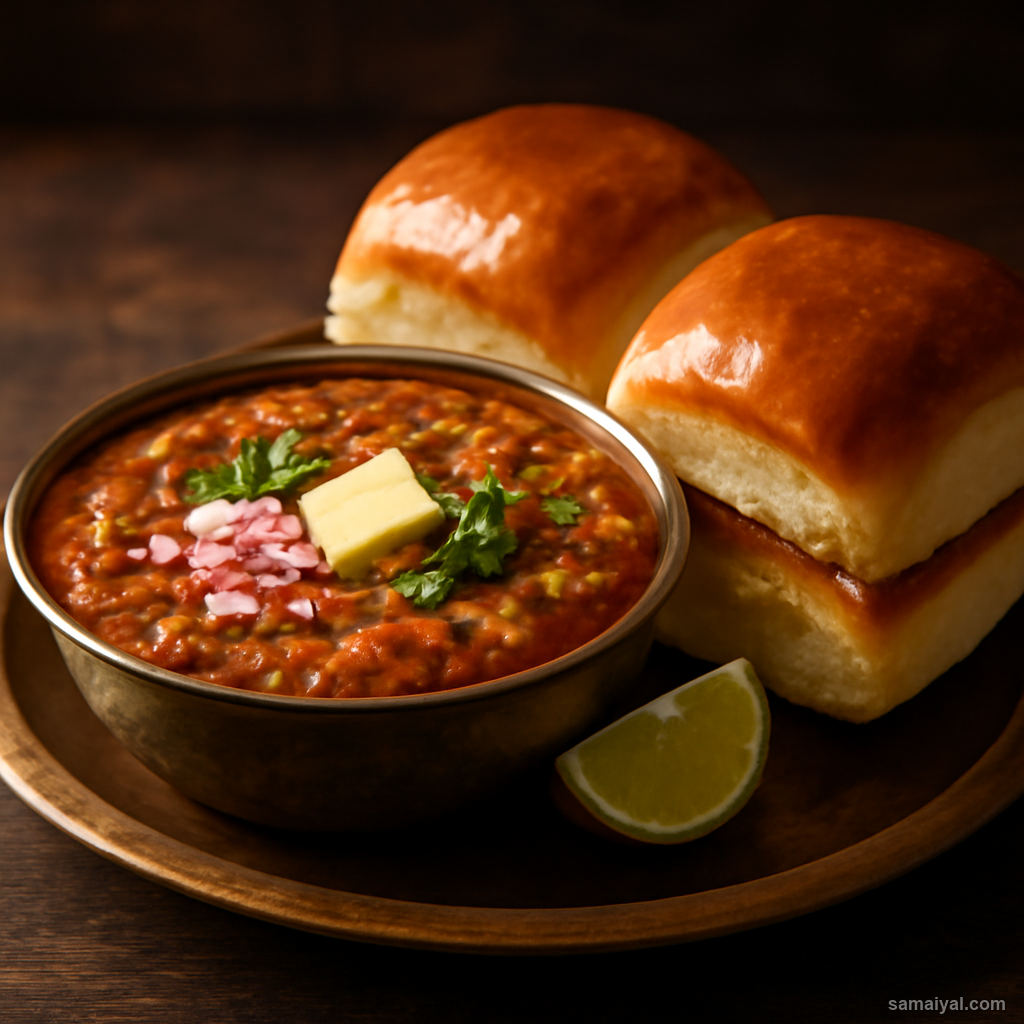
Pav Bhaji
Mumbai's beloved mashed vegetable curry served on butter-toasted soft buns — street food gold.
Sun-dried chillies ground with garlic and mustard oil — the essential fire paste of Arunachali tables

About Dried Chilli Paste Arunachal: Dried chilli paste is the heat foundation of Arunachali cooking — every kitchen across the state keeps a small jar ready. Made from locally sun-dried chillies with garlic and mustard oil, it functions as both a cooking ingredient and a table condiment. Unlike commercial chilli pastes, the home version uses just five ingredients and produces a paste with deep, complex flavour rather than just heat.
Understand the chilli choice: Use 6 sun-dried red chillies. Traditional Arunachali sun-dried chillies have a deep red colour, papery texture, and sharp aromatic smell. Indian dried chillies (like Kashmiri or guntur) work well as substitute. Avoid Mexican-style dried chillies (ancho, pasilla) — they have a different flavour profile.
The heat level: Dried chillies vary enormously in heat — from mild Kashmiri chillies (low heat, deep colour) to fiery bird's-eye chillies (extreme heat). For an authentic Arunachali medium-hot paste, use a mix or a moderate-heat variety like guntur. Adjust quantity based on your variety's heat.
De-stem the chillies: Pinch off the green stems and discard. Some Arunachali cooks also break the chillies in half to remove most of the seeds for a less seedy paste; others leave seeds in for full heat. Either is correct.
The critical dry-roasting step: Heat a heavy dry pan over medium heat. Add the de-stemmed dried chillies. Spread in a single layer.
Watch the chillies: Dry-roast for 1 minute, shaking the pan often. The chillies will darken slightly, change in texture from papery to crisp-brittle, and release a sharp aromatic smoke that fills the kitchen.
The roasting limits: Do not over-roast. Burnt chillies taste bitter and unpleasant. The chillies should darken to a deep brick-red but not turn black. The smoke is normal — open a window for ventilation.
Let cool: Tip the toasted chillies onto a plate. Let cool for 5 minutes. Hot chillies are more difficult to grind cleanly.
Prepare the garlic: Take 4 garlic cloves. Crush lightly with the flat of a knife and remove the skins. Garlic balances the chilli heat with its sweet aromatic depth.
The traditional pounding: The most authentic Arunachali method is a heavy stone mortar (sil-batta). Place the cooled toasted chillies, garlic and 1/2 tsp salt in the mortar. Pound for 3-5 minutes with steady pressure.
If no mortar — use a small grinder: Pulse 6-8 times with the same ingredients. Do not run continuously; over-grinding releases too much oil and turns the paste into a smooth puree.
The critical coarse texture: The chilli paste should be coarse — small pieces of chilli still visible in a uniform red base, not a smooth puree. Coarse texture provides bursts of chilli flavour and is the authentic Arunachali style.
Add the mustard oil: Drizzle 1 tsp mustard oil over the pounded chilli mixture. Use raw mustard oil for the most authentic flavour. Stir gently to combine.
Add water for consistency: Add 1 tbsp water. Stir to combine. The paste should be thick enough to hold its shape on a spoon but flow when tilted — like thick yogurt.
Adjust the consistency: If too thick to be spreadable, add 1/2 tsp more water. If too thin, no fix needed; it will firm up as it sits.
Taste check (carefully): Touch the tip of a clean spoon to the paste. Then touch only the very tip of your tongue with that spoon. Even a microscopic amount delivers full impact. The paste should be intensely hot, with deep aromatic chilli flavour, garlic sweetness, mustard oil pungency, and proper salt.
Adjust seasonings: If under-salted (dull flavour), pound in another 1/4 tsp salt. If too thick, add more water. Heat cannot be reduced once made — the only fix is to dilute by adding more cooled toasted chilli for less heat (more chilli, more dilution).
The optional finishing flavour: Some Arunachali traditions add 1 tsp fresh lemon juice at the end for brightness. This is optional — the paste is excellent without — but adds a fresh dimension if you like.
Store in a clean dry jar: Transfer to a small clean dry sterilised glass jar (sterilise by rinsing with boiling water and drying). Smooth the surface and pour 1/2 tsp more mustard oil on top to create an oil seal. Cover tightly with the lid.
Refrigerate: Store in the fridge. The paste keeps for up to 2 weeks refrigerated.
Use a clean spoon: Always use a clean dry spoon to scoop paste from the jar. Moisture introduces bacteria and shortens shelf life dramatically.
Using as a cooking base: Add 1/2 tsp to the oil at the start of cooking curries — produces an instant chilli-garlic-oil base. Adjust heat by adding more or less.
Using as a table condiment: Place a small bowl on the table. Diners take a tiny dab — a small amount goes a long way. Mix into rice, dab onto grilled meat, spread on bread, or eat with steamed vegetables.
Using in tribal-style soups: Stir 1/2 tsp into Arunachali Chicken Soup (recipe id 1139) or any clear soup for instant heat and flavour.
Using as a marinade: Mix 1 tbsp with 1 tbsp oil and 1 tsp lemon juice for a chilli marinade for grilled meats or fish.
A cultural note: Variations of dried chilli paste appear across all Arunachali tribal kitchens — each community adding its own twist (some add fermented soybean, some use ginger, some smoke the chillies). The basic paste with garlic and mustard oil is the foundation; the variations are personal and family signatures.
Leftover storage: Stored properly (clean spoon, dry jar, refrigerated), the paste keeps for up to 2 weeks. The flavour deepens beautifully over the first week as the chilli, garlic and mustard oil integrate. Discard if you see mould (rare with proper storage) or detect any off-smell.
⭐ Featured
Mumbai's beloved mashed vegetable curry served on butter-toasted soft buns — street food gold.

Fluffy steamed chickpea flour cake from Gujarat — light, spongy, tangy and totally addictive.

Mumbai's vegetarian burger — spiced potato dumpling in a fried batter, served in a...
 ⭐ Featured
Crispy golden pastry filled with spiced potatoes and peas — India's most loved snack,...
Comments & Tips
Be the first to share your experience with this recipe!
Leave a Comment