 ⭐ Featured
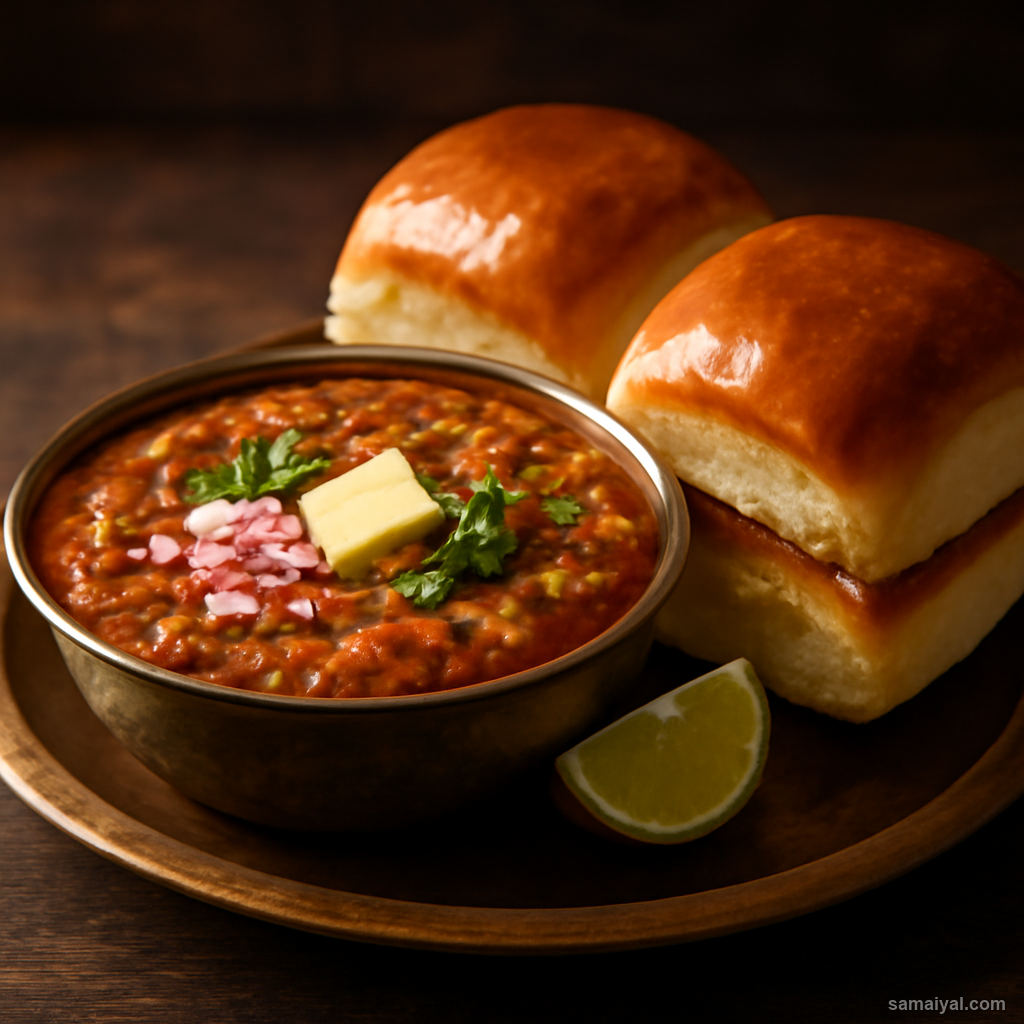
Pav Bhaji
Mumbai's beloved mashed vegetable curry served on butter-toasted soft buns — street food gold.
Spinach leaves in spiced gram flour batter and fried — the Bihar monsoon snack
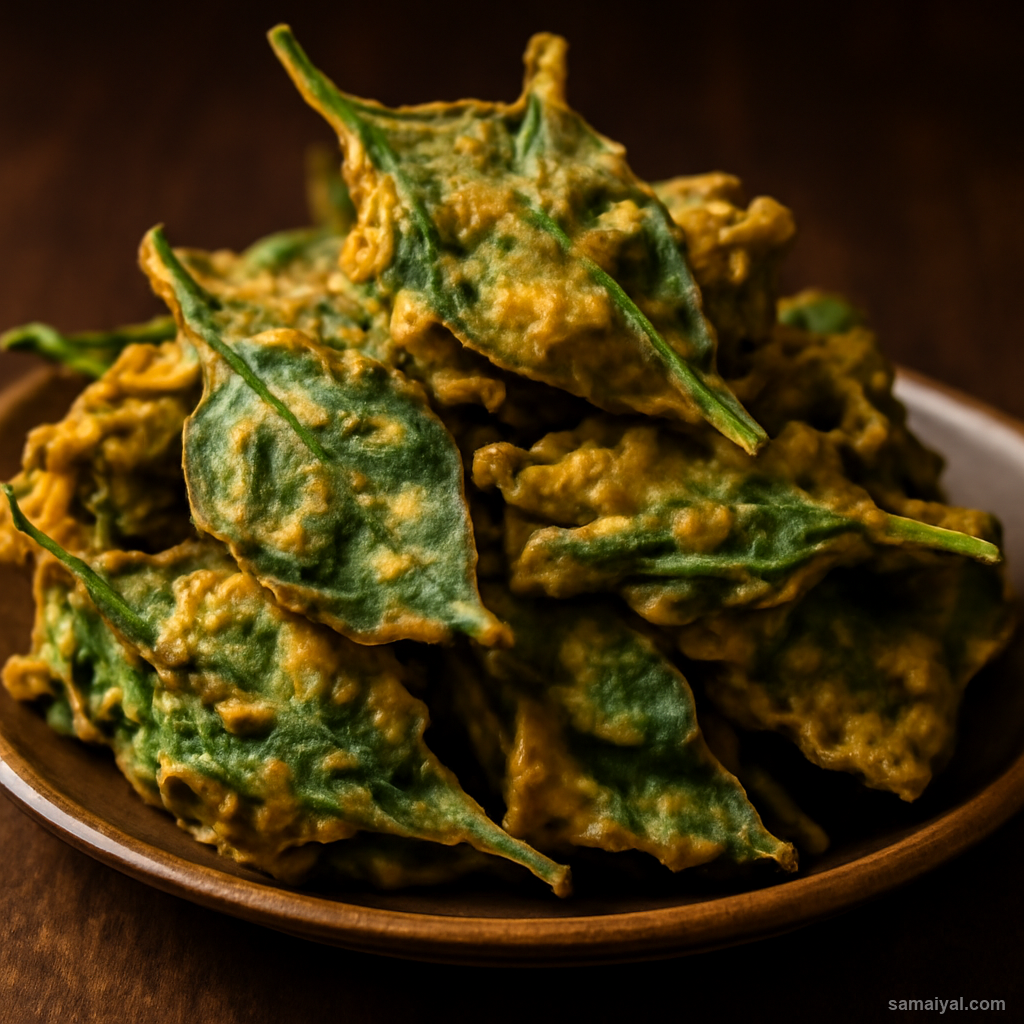
About Palak Pakoda: When the monsoon arrives in Bihar, the kitchens fill with the sound of pakodas frying — and palak (spinach) pakoda is the most loved variety. Whole spinach leaves are dipped in spiced gram flour batter and deep-fried into crispy golden parcels. They are eaten with hot tea while watching the rain fall, and there is no better snack for a wet evening.
Choose tender spinach: Use 2 cups of fresh, tender spinach leaves. The leaves should be bright green, soft and unblemished. Avoid older, tough spinach with thick fibrous stems — those will not hold the batter well and have an unpleasant texture when fried.
Wash and dry thoroughly: Submerge the spinach in a big bowl of cold water and swish around to dislodge any grit. Lift out — do not pour through, or grit comes back. Repeat once more with fresh water. This is the most important step for crisp pakodas: dry the leaves completely on a clean kitchen towel or in a salad spinner. Wet leaves prevent the batter from sticking.
De-stem the leaves: Pinch off the thick lower stems where they meet the leaf — leave the thinner upper stems intact. Keep the leaves whole, not chopped.
Use fresh besan: Take 1 cup besan (gram flour, also called chickpea flour). Sift it into a wide bowl through a sieve to remove any lumps. Sifted besan blends into batter without clumps and gives a smoother coating.
Mix the dry spices into the besan: To the sifted besan add 1/2 tsp turmeric powder, 1/2 tsp red chilli powder, 1/2 tsp ajwain (carom seeds — they help digestion and add a thymol-like flavour to fried foods), a pinch of asafoetida and salt to taste — usually 3/4 tsp. Whisk briefly with a fork to distribute everything.
Add cold water gradually: Cold water is the secret to crispy pakodas — it slows down the gluten development and produces a crisper coating. Pour 1/2 cup cold water into the dry mix while whisking continuously with a fork. Add 2-3 more tbsp until you reach the right consistency.
Check the batter consistency: The batter should be thick enough to coat the back of a spoon when dipped — when you lift the spoon, the batter should drip slowly in a thick ribbon, not run off in a thin stream. Too thin and it will not coat the leaves; too thick and the pakoda will be heavy and doughy.
Rest the batter: Cover and let the batter rest for 5-10 minutes. Resting hydrates the besan fully and gives a better texture. While resting, the besan absorbs the water and may need 1-2 tbsp more water to bring back to coating consistency.
Heat the oil: Pour neutral cooking oil into a deep heavy-bottomed pan to a depth of at least 5cm. Place over medium-high heat. The oil temperature is critical — too cold and pakodas absorb oil and turn soggy; too hot and they brown outside while staying raw inside.
Test the oil temperature: Drop a tiny droplet of batter into the oil. It should sink briefly, then rise to the surface within 5 seconds with a steady ring of bubbles around it. If it sinks and stays at the bottom, the oil is too cold. If it browns immediately, too hot — reduce heat.
Dip and fry the pakodas: Hold one spinach leaf by the stem. Dip into the batter, ensuring both sides are coated. Lift, let the excess drip off for 2 seconds, then carefully slide into the hot oil. Add 4-5 leaves at a time — do not crowd, or the temperature drops.
Fry until golden: Let the pakodas fry undisturbed for the first 30 seconds — moving them too soon strips the batter. Then turn occasionally with a slotted spoon. Cook for 2-3 minutes total per batch until both sides are deep golden brown and crispy.
Drain on paper: Lift out with a slotted spoon and drain on paper towels or a wire rack. The wire rack keeps them crispier than paper towels because air circulates underneath.
Serve immediately: Pakodas are best eaten within 5 minutes of frying, while still piping hot and crispy. Serve with green coriander chutney, sweet tamarind chutney, ketchup or just chaat masala sprinkled on top. Pair with hot masala chai for the full Bihari monsoon experience.
⭐ Featured
Mumbai's beloved mashed vegetable curry served on butter-toasted soft buns — street food gold.

Fluffy steamed chickpea flour cake from Gujarat — light, spongy, tangy and totally addictive.

Mumbai's vegetarian burger — spiced potato dumpling in a fried batter, served in a...
 ⭐ Featured
Crispy golden pastry filled with spiced potatoes and peas — India's most loved snack,...
Comments & Tips
Be the first to share your experience with this recipe!
Leave a Comment