 ⭐ Featured
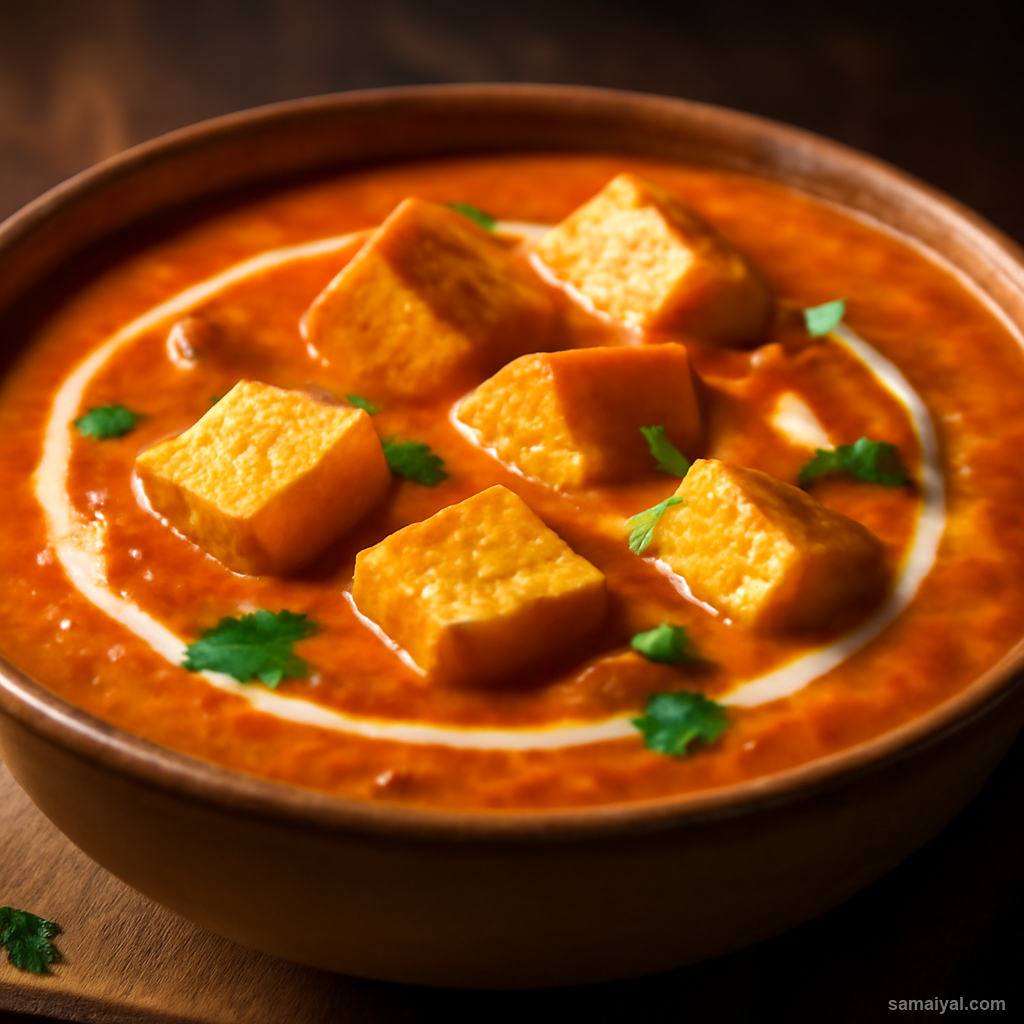
Butter Paneer Masala
Creamy tomato-based curry with soft paneer cubes — the all-time favourite of Indian...
Steamed white rice — the daily foundation and sacred offering of Bihar

About Bihari Arwa Chawal: Arwa rice (raw white rice) is the daily staple of Bihar — eaten at every meal alongside dal, sabzi and chokha. It is also the sacred offering in all Bihari Hindu puja, given to deities and consumed as prasad. The recipe is the most basic preparation in Indian cooking, but doing it right matters: properly cooked rice is the foundation that every other dish in a Bihari meal builds on.
Understand arwa rice: Arwa rice is the term for raw, unfermented, white-polished rice — the standard everyday rice of Bihar. It is different from parboiled rice (also called sela or usna in Bihar), which has a slightly chewier texture and yellowish tint. For this recipe, use arwa rice; the parboiled version cooks differently and produces firmer grains.
Choose any plain white rice: If you cannot find rice specifically labelled "arwa", any plain white short or medium-grain Indian rice works. Govindbhog from Bihar/Bengal is the most aromatic choice. Long-grain basmati can be used but produces a different, more elegant rice — for everyday Bihari meals, the shorter grains are more authentic.
Measure the rice: Use 2 cups of arwa rice. This serves 4-6 people generously alongside other dishes.
Wash the rice gently: Place the rice in a wide bowl. Cover with cold water and gently swirl with your fingers — do not scrub aggressively, which breaks the grains. Drain through a sieve.
Wash multiple times: Repeat the washing 4-5 times until the water runs nearly clear. The first 2-3 washes will be quite cloudy from the surface starch — this is normal and good. Removing the surface starch is what produces fluffy, separated, non-sticky rice.
The critical soaking step: After the final wash, cover the rice with cold water (about 4 cups) and soak for 20 minutes. This step is sometimes skipped by hurried cooks, but it makes a significant difference. Soaked rice cooks more evenly, with each grain absorbing water gently, producing a softer texture and longer cooked grains.
Drain very well: After soaking, drain the rice in a sieve and let drip dry for 5 minutes. Wet rice clumps together when first added to boiling water and produces sticky cooked rice.
Measure the cooking water: Use exactly 3 cups of fresh water for 2 cups of soaked rice. The 1.5:1 ratio is critical — too much water produces mushy rice; too little leaves uncooked grains. After the 20-minute soak, this proportion is precisely right for arwa rice.
Use the right pot: Use a heavy-bottomed pot with a tight-fitting lid. The lid is important; loose-fitting lids let steam escape, which slows cooking and dries out the grains. Pots with thin bottoms scorch the rice on the bottom.
Bring water to a boil: Pour the 3 cups of fresh water into the pot. Add 1/2 tsp salt (optional but enhances the natural flavour — Bihari purists sometimes skip salt and add ghee at the table instead). Place over high heat and bring to a full rolling boil — bubbles across the entire surface.
Add the drained rice: Tip the drained rice into the boiling water all at once. The water level will drop slightly. Do not stir aggressively; one gentle stir to settle the rice and lift any grains stuck to the bottom is enough.
Reduce heat to lowest: Once the water returns to a boil after adding the rice (about 30-45 seconds), immediately reduce heat to the absolute lowest setting your stove allows. Cover the pot tightly with the lid.
The cardinal rule of cooking rice: Do not lift the lid for the next 15 minutes. Every time you lift the lid, escaping steam slows down cooking and the rice cooks unevenly. Set a timer if you tend to be impatient.
Check doneness at 15 minutes: Lift the lid carefully (away from your face — steam burns badly). The water should be fully absorbed and small holes (called fish-eyes by Indian grandmothers) should appear on the surface of the rice. The grains should look fluffy and individually visible.
If still wet: If you can see free water at the bottom, cover and cook for 2-3 more minutes. If the rice looks crisp at the top but still wet underneath, it has been cooking unevenly — stir gently with a fork and cook 2 more minutes covered.
Turn off heat and rest: Once the water is fully absorbed, switch off the heat completely. Replace the lid. Let the rice rest in the covered pot for 5-7 minutes. This rest is critical — it lets the residual steam finish cooking the grains evenly and firms them up so they will not break when fluffed.
Fluff with a fork: Open the lid. Use a fork to fluff the rice gently — never use a spoon, which crushes the grains. Lift from the bottom and turn over carefully, separating the grains.
Serve with traditional Bihari accompaniments: Bihari arwa chawal is the foundation of every Bihari meal. The most traditional presentation is a generous mound of rice on a steel plate, with a small dollop of pure ghee melting on top, accompanied by dal tadka (recipe id 1337 for masoor dal version), a sabzi like aloo tamatar (recipe id 1374), and a small portion of chokha (recipe id 1316 for tomato chokha) and pickle.
For puja offerings: When making rice for puja, do not add salt during cooking — the offering should be unsalted. Some Bihari families also exclude ghee until the offering is made, then add ghee for human consumption.
For everyday meals: Add 1 tbsp pure ghee directly to the cooked rice and fluff in. Bihari rice with ghee is one of the simplest, most satisfying combinations in Indian cooking.
Leftover storage: Cooled rice keeps in the fridge for 2 days. Reheat by steaming briefly in a covered bowl, or use cold leftover rice for the next day's tadka chawal (rice tempered with mustard seeds and curry leaves), Bihari fried rice (recipe id 1393), or sattu chawal (rice mixed with sattu and ghee — a quick Bihari snack).
⭐ Featured
Creamy tomato-based curry with soft paneer cubes — the all-time favourite of Indian...
 ⭐ Featured
Velvety spinach curry with golden-fried paneer — nutritious, vibrant and absolutely delicious.

Bold, tangy chickpea curry packed with spices — a street food staple that works as a main dish.

Dry-spiced potatoes and cauliflower — simple, aromatic, and endlessly satisfying.
Comments & Tips
Be the first to share your experience with this recipe!
Leave a Comment