 ⭐ Featured
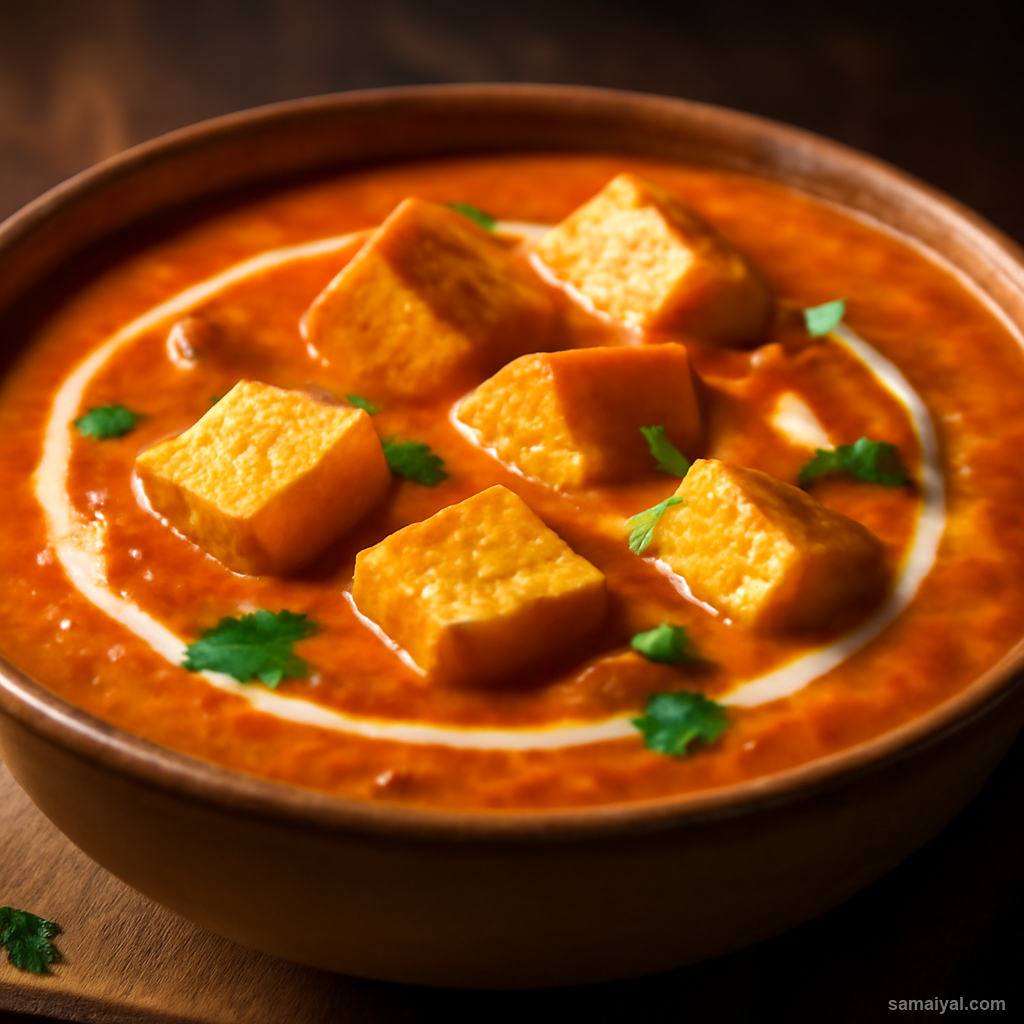
Butter Paneer Masala
Creamy tomato-based curry with soft paneer cubes — the all-time favourite of Indian...
Ridge gourd cooked in a thick white poppy seed paste with mustard oil and green chilli — a distinctly Bengali vegetable preparation where the mild ridge gourd becomes the vehicle for the creamy, nutty poppy seed paste. One of the preparations that showcases posto (white poppy seed) most purely.
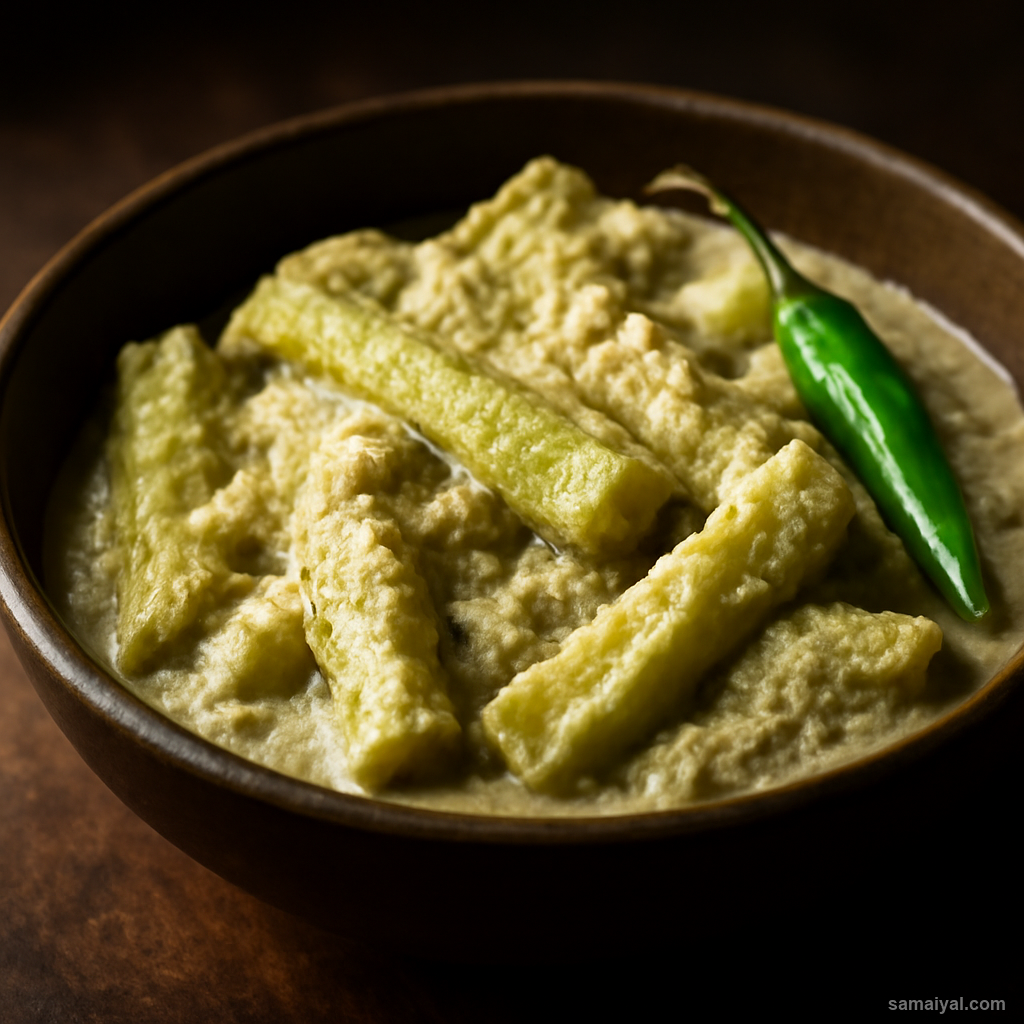
Soak the posto: Soak white poppy seeds in warm water for 20 minutes until plump and slightly softened.
Grind the posto paste: Drain soaked poppy seeds. Grind with 3 green chilli and a pinch of salt for 4 to 5 minutes — poppy seeds require sustained grinding to become smooth. Add 2 tbsp raw mustard oil and 3 tbsp water. Grind to a very smooth, thick, creamy white paste.
Heat mustard oil: Heat 2 tbsp mustard oil until smoking. Reduce to medium.
Add kalonji: Add nigella seeds — crackle briefly.
Add slit green chilli: Add slit green chilli. Stir 15 seconds.
Add ridge gourd: Add the ridge gourd pieces. Sprinkle turmeric. Stir to coat.
Cook briefly: Cook on medium heat for 3 to 4 minutes until the ridge gourd softens and turns translucent.
Add the posto paste: Add the ground poppy seed paste. Stir gently to coat every piece of ridge gourd with the thick white paste.
Add a few tablespoons of water: Add 3 to 4 tbsp water. Stir. Add salt and sugar.
Cook covered 5 minutes: Cover and cook on low heat 5 minutes until the ridge gourd is completely tender and the posto paste has cooked through. The preparation should be thick and the oil should separate slightly around the edges. Serve with steamed rice.
Note: Jhinge Posto (jhinge = ridge gourd, posto = white poppy seed paste) is one of the classic Bengali posto preparations — posto applied to ridge gourd rather than the more common potato. White poppy seeds (posto) are used in Bengali cooking in quantities and ways found nowhere else in Indian cuisine — as a paste, as a dry sprinkle, as a thickener and as a primary flavouring. The use of posto in cooking is so specific to Bengal that the word posto has become metonymic for Bengali identity in food writing.
⭐ Featured
Creamy tomato-based curry with soft paneer cubes — the all-time favourite of Indian...
 ⭐ Featured
Velvety spinach curry with golden-fried paneer — nutritious, vibrant and absolutely delicious.

Bold, tangy chickpea curry packed with spices — a street food staple that works as a main dish.

Dry-spiced potatoes and cauliflower — simple, aromatic, and endlessly satisfying.
Comments & Tips
Be the first to share your experience with this recipe!
Leave a Comment