 ⭐ Featured
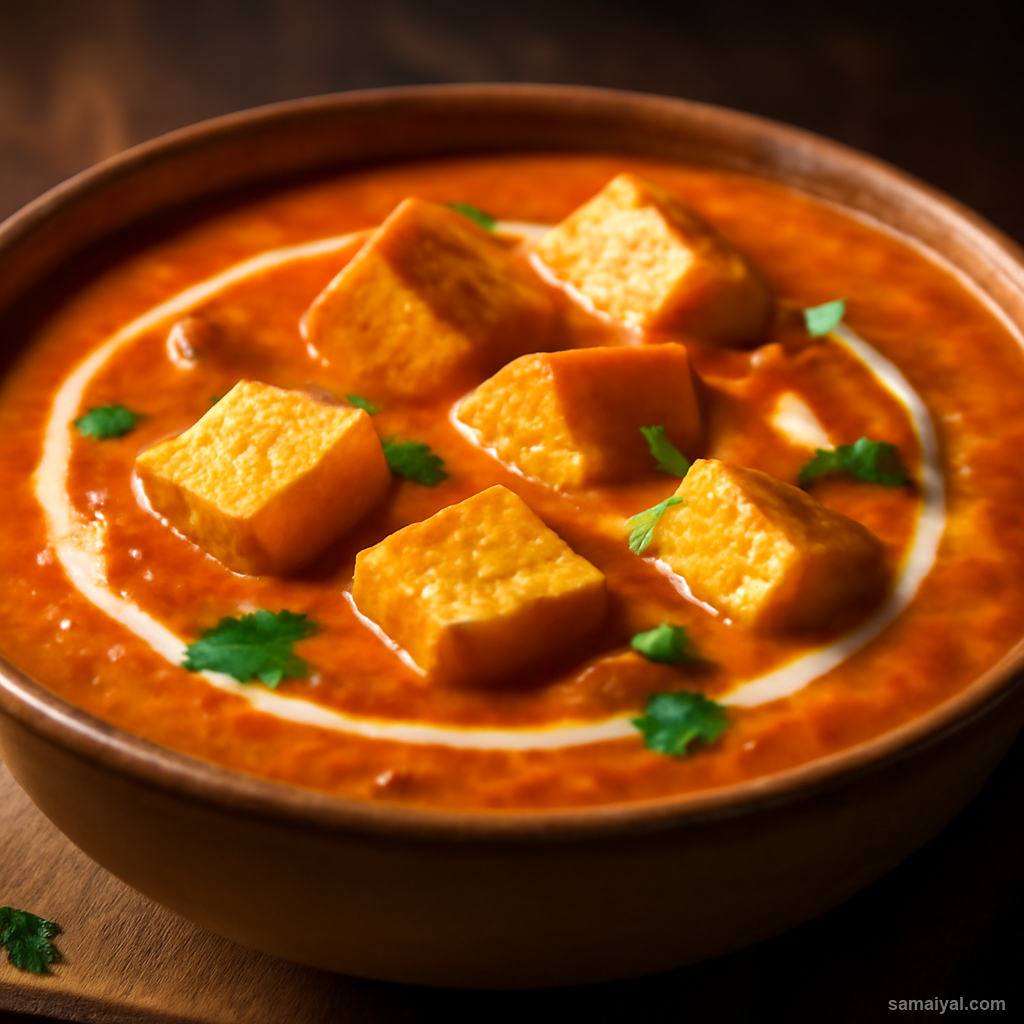
Butter Paneer Masala
Creamy tomato-based curry with soft paneer cubes — the all-time favourite of Indian...
Fragrant rice pilaf with whole spices and ghee — Assamese special occasion rice

About Assam Pulao Fragrant: Assamese Pulao is aromatic rice cooked in ghee with whole spices — served at weddings and festivals as the special-occasion rice that elevates a meal from everyday to celebratory. The Assamese version is more delicately spiced than its North Indian cousins, with saffron and ghee as defining elements rather than heavy garam masala. It pairs beautifully with rich gravies — chicken curry, paneer butter masala, or lamb keema.
Choose long basmati rice: Use 2 cups of aged basmati rice — the long-grain aromatic variety. Aged basmati (over 1 year old) cooks to longer, fluffier separated grains.
Wash the rice gently: Place the rice in a wide bowl. Cover with cold water and gently swirl with your fingers — do not scrub aggressively. Drain. Repeat 4-5 times until the water runs almost clear.
The critical soaking step: Cover the washed rice with cold water and soak for 20 minutes. Soaking allows the rice grains to absorb water gently, which means they cook to longer, more elegant grains in the pulao.
Drain and set aside: After soaking, drain the rice in a sieve. Let drip dry for 5-10 minutes — wet rice splatters in hot ghee.
Prepare the saffron: Take a generous pinch of saffron threads — about 8-10 strands. Place in a small bowl with 2 tbsp warm water. Let soak for 15 minutes.
Slice the onion: Take 1 medium onion. Peel and slice thinly into half-moons. Sliced onion produces deeper caramelisation than chopped.
Gather the whole spices: Have ready 1 bay leaf, 3 green cardamom pods (lightly cracked), 1 small cinnamon stick (broken in half), and 3 cloves. These four whole spices are the Assamese pulao foundation.
Use a heavy-bottomed pot: Use a heavy-bottomed pot with a tight-fitting lid. The lid must seal well — loose lids let steam escape and produce undercooked rice.
Warm the ghee: Place the pot over medium heat. Add 3 tbsp pure ghee. Heat for 30 seconds until fully melted and shimmering. Do not let it brown.
Fry the onion deeply: Add the sliced onion. Stir-fry on medium heat for 8-10 minutes, stirring often, until deep golden brown — almost crispy at the edges. Half of these caramelised onions go into the pulao, half are reserved for garnish.
Reserve half the onions: Lift out about half of the deep-golden onions with a slotted spoon and place on a kitchen paper to drain. These will be the topping garnish.
Temper with whole spices: Reduce heat to medium-low. Add the bay leaf, cracked cardamom pods, cinnamon stick and cloves to the remaining onions and ghee. Stir for 30 seconds — the spices will sizzle and the kitchen will fill with their aroma.
Add the rice: Tip the drained rice into the pan. Stir very gently with a flat spatula for 1 minute — fold from underneath rather than stirring round and round, which breaks the long grains. Each grain should get coated in the spiced ghee.
Add water and salt: Pour in 3.5 cups hot water. Add salt to taste — usually 1 tsp for this quantity. Pour in the saffron-infused water along with the threads. The water will turn a beautiful pale gold colour. Stir gently once.
Bring to a rolling boil: Increase heat to high. Bring to a full rolling boil. Taste a teaspoon of the water — it should taste pleasantly salty.
Reduce heat and cover: Once boiling, reduce heat to the absolute lowest setting your stove allows. Cover the pot with a tight-fitting lid. If the lid is loose, place a clean kitchen towel between pot and lid to seal.
The cardinal rule: Do not lift the lid for the next 18 minutes. Every time you lift the lid, escaping steam slows down cooking and the rice cooks unevenly.
Check doneness at 18 minutes: Lift the lid carefully. The water should be fully absorbed and small holes should appear on the surface of the rice. Taste a grain — it should be cooked through but still firm and separated.
Rest covered: Replace the lid. Let the pulao rest for 5-7 minutes. This rest is essential — it lets the rice firm up so it does not break when fluffed and lets the flavours marry.
Fluff with a fork: Open the lid. Use a fork to fluff the rice gently — never use a spoon, which crushes the grains. Lift from the bottom and turn over carefully.
Transfer to a serving dish: Spoon the pulao onto a wide serving platter. The grains should look long, separated, and beautifully golden from the saffron.
Garnish elegantly: Sprinkle the reserved fried onions generously over the top — these are the visual centrepiece. For an extra-festive look, add 2 tbsp chopped roasted cashews and 1 tbsp raisins fried briefly in 1 tsp ghee.
Serve hot: Pulao tastes best within 30 minutes of cooking, while the grains are at peak texture and the saffron aroma is most pronounced.
The traditional Assamese pulao meal: Serve as the centrepiece grain at a festive Assamese meal, alongside rich curries — Goat Khar, Mustard Paste Chicken, or Sesame Fish Curry. The aromatic pulao balances bold curries beautifully.
For weddings: At Assamese weddings, pulao is served alongside multiple curries on banana leaves laid on the floor — the traditional pat-bhog seating arrangement.
A cultural note: Assamese pulao represents the influence of Mughal cooking on Northeast Indian cuisine. The Assamese version evolved its own character — lighter spicing, more saffron, the Joha rice option, the deep-fried onion garnish.
Leftover storage: Stored in the fridge in an airtight container, pulao keeps for 2 days. The grains harden slightly when cold; refresh by sprinkling with 2-3 tbsp warm water and reheating in a covered pan over low heat until warmed through. Avoid microwaving at high power — it dries out the grains.
⭐ Featured
Creamy tomato-based curry with soft paneer cubes — the all-time favourite of Indian...
 ⭐ Featured
Velvety spinach curry with golden-fried paneer — nutritious, vibrant and absolutely delicious.

Bold, tangy chickpea curry packed with spices — a street food staple that works as a main dish.

Dry-spiced potatoes and cauliflower — simple, aromatic, and endlessly satisfying.
Comments & Tips
Be the first to share your experience with this recipe!
Leave a Comment