 ⭐ Featured
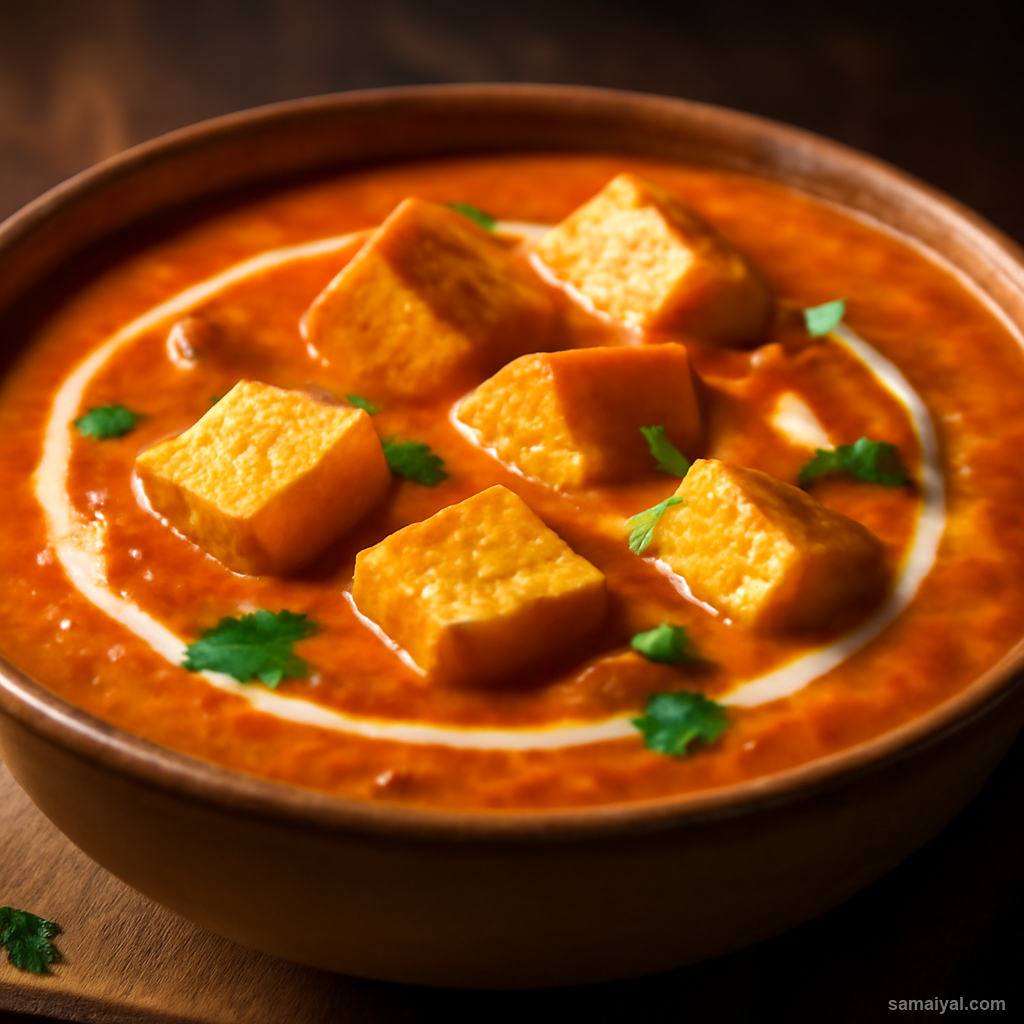
Butter Paneer Masala
Creamy tomato-based curry with soft paneer cubes — the all-time favourite of Indian...
Chicken marinated in fresh mustard paste and cooked minimally — the pure Assamese chicken preparation

About Assam Mustard Paste Chicken: This is the Assamese chicken preparation where mustard takes centre stage rather than playing a supporting role. The chicken is marinated in fresh mustard paste, then cooked minimally with mustard oil — producing an intensely pungent, deeply flavoured curry that is unlike any other regional Indian chicken dish. The technique is straightforward but requires good mustard paste.
Choose bone-in chicken: Use 800g of bone-in chicken pieces — thighs, drumsticks and curry-cut bone-in pieces work best. Bone-in chicken produces dramatically more flavourful curry. Avoid breast meat — it dries out during the long cook with the strong mustard.
Clean the chicken: Wash the chicken pieces under cold running water. Pat dry with kitchen paper. Drying matters — wet chicken steams in its own moisture rather than absorbing the marinade.
Make the fresh mustard paste: Take 3 tbsp yellow mustard seeds. Soak in 4 tbsp warm water for 15-20 minutes — soaking removes the bitterness that develops when mustard is ground dry. Grind to a smooth paste in a small grinder with 1 fresh green chilli and a tiny pinch of salt. The salt during grinding stops the mustard turning acrid. The paste should be smooth, creamy and pale yellow-cream.
Measure the paste needed: You need 2 tbsp mustard paste for the marinade. Save any leftover in a small jar in the fridge for other uses; it keeps 5-6 days.
Make the marinade: In a wide bowl combine the 2 tbsp mustard paste, 1 tsp turmeric powder, 1 tsp red chilli powder, and 1 tsp salt. Mix into a thick paste.
Marinate the chicken: Add the chicken pieces to the marinade. Massage the paste into every piece, getting it under any skin and into any cuts. Cover and marinate for 1 hour at room temperature, or up to 4 hours in the fridge. Long marination is essential here — the mustard needs time to penetrate the meat and tenderise it slightly.
Prepare the onion: Take 1 medium onion. Peel and slice thinly into half-moons. Sliced onion produces deeper caramelisation than chopped onion.
Prepare the garlic: Take 3 garlic cloves. Crush, peel and mince finely.
Use a heavy pot: Use a heavy-bottomed pot or kadhai with a tight-fitting lid. The lid is important; loose lids let too much moisture escape and the curry dries out.
Heat the mustard oil correctly: Pour 2 tbsp mustard oil into the pot over medium-high heat. Heat for 1-2 minutes until smoking heavily — this is essential for any Assamese non-veg dish, and especially when there is already mustard in the marinade. The oil must be properly tamed before contact with the food.
Fry the onions: Reduce heat to medium. Add the sliced onions. Stir-fry for 8-10 minutes, stirring often, until deep golden brown — almost mahogany at the edges. Take your time; well-browned onions provide the sweetness that balances the mustard's sharpness.
Add the garlic: Add the minced garlic. Stir for 1-2 minutes until fragrant. Do not let it go dark; burnt garlic ruins the curry.
Add the marinated chicken: Add the marinated chicken pieces along with all the marinade clinging to them. The pan will hiss as the cold chicken hits the hot oil.
The critical sear: Cook on medium-high heat for 8 minutes, stirring and turning the pieces every 90 seconds. The chicken will release some liquid initially, then start to dry and brown. The mustard marinade will form a deep dark coating on each piece — almost crusty in places. This searing is what gives the dish its distinctive Assamese character.
Do not add water yet: Resist the urge to add water during this searing stage. Let the chicken cook in its own juices and the masala. The chicken will reduce in volume as the moisture evaporates.
Add water for braising: Once the chicken looks deeply seared and the masala is dark and clinging, pour in 1/2 cup hot water. Stir well to lift any masala stuck to the bottom. Bring to a gentle simmer.
The slow simmer: Reduce heat to low. Cover the pot tightly. Cook for 25 minutes, lifting the lid every 8-10 minutes to gently turn the chicken pieces and add 2-3 tbsp hot water if the bottom looks dry.
Check doneness: Pierce a thick chicken piece with a knife — the juice should run clear, not pink. The meat should be tender and pull easily from the bone. The gravy should be thick and clinging to the pieces, deep yellow-brown in colour.
Final flavour adjustments: Open the lid. If the gravy is too watery, increase heat to medium-high and cook uncovered for 3 minutes to reduce. If too dry, stir in 2-3 tbsp hot water. The final consistency should coat the back of a spoon with a glossy mustard-rich layer.
Taste and adjust: Taste a piece of chicken with a little gravy. The mustard should be present but not overwhelming, balanced by the caramelised onion sweetness. Adjust salt — usually no more is needed since the marinade had plenty.
Garnish and serve: Switch off heat. Sprinkle 2 tbsp finely chopped fresh coriander over the top. Drizzle 1/2 tsp raw mustard oil for an extra pungent finish — optional but excellent. Serve hot with steamed Joha rice (or any plain rice). The pungent mustard chicken pairs beautifully with cooling plain rice.
Serving suggestions: Some Assamese homes serve this with sliced raw onions and lemon wedges on the side. The bright lemon and onion balance the strong mustard character. Avoid pairing with very rich sides — the dish is intense enough to be the star.
Leftover: Stored in the fridge in an airtight container, this curry keeps for 3-4 days and tastes even better the next day after the chicken has fully soaked in the gravy. Reheat gently on the stovetop with a splash of water.
⭐ Featured
Creamy tomato-based curry with soft paneer cubes — the all-time favourite of Indian...
 ⭐ Featured
Velvety spinach curry with golden-fried paneer — nutritious, vibrant and absolutely delicious.

Bold, tangy chickpea curry packed with spices — a street food staple that works as a main dish.

Dry-spiced potatoes and cauliflower — simple, aromatic, and endlessly satisfying.
Comments & Tips
Be the first to share your experience with this recipe!
Leave a Comment