 ⭐ Featured
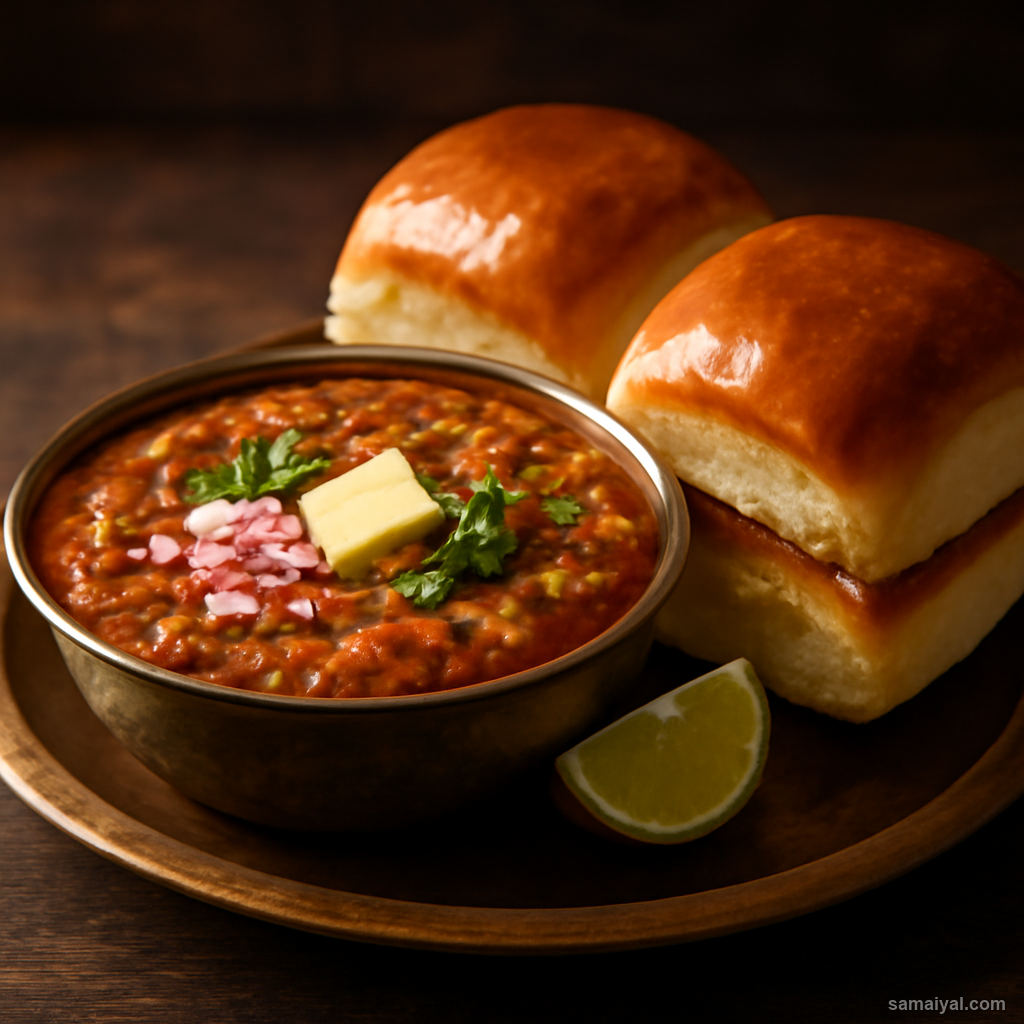
Pav Bhaji
Mumbai's beloved mashed vegetable curry served on butter-toasted soft buns — street food gold.
Fish fillets in spiced gram flour batter — the crispy Assamese riverside snack

About Assam Fish Pakoda: Fish pakoda from the Brahmaputra riverbanks is the most popular market snack in Guwahati and across Assam — bite-size pieces of fish in a spiced gram flour batter, deep-fried until crispy gold. They are eaten as evening snacks with hot tea, as starters at gatherings, or piled high in paper cones at markets. The Assamese version distinguishes itself with mustard paste in the marinade, giving the fish a distinctive pungent character.
Choose firm white fish: Use 300g of firm white fish fillets. Best choices include rohu (the prized Assamese river fish), bekti (Indian sea bass), tilapia, or any firm freshwater white fish. Avoid soft delicate fish (sole, plaice) — they fall apart in the batter. Frozen fish works if thoroughly thawed.
Check for freshness: Fresh fish smells like a clean lake or river, not fishy or ammoniacal. The flesh should be firm and bounce back when pressed. If using frozen, thaw slowly overnight in the fridge — never in warm water, which produces mushy fish.
Cut into bite-size pieces: Cut the fish into 3cm cubes — uniform size for even cooking. You should get about 20-24 pieces from 300g of fillets.
Pat the pieces very dry: Place the cubes on two layers of clean kitchen towel. Pat firmly to absorb all surface moisture. Wet fish pieces dilute the marinade and produce soggy pakoda.
Make the mustard paste: Take 1 tbsp yellow mustard seeds. Soak in 2 tbsp warm water for 15 minutes — soaking removes bitterness. Grind to a smooth paste in a small grinder with a tiny pinch of salt. Use 1 tsp for this recipe; save any leftover for other dishes.
Marinate the fish: In a wide bowl combine 1/2 tsp turmeric powder, 1 tsp mustard paste, and 1 tsp salt. Add the fish cubes and gently coat each piece with the marinade. Cover and marinate for 10 minutes — short marination is enough; longer can break down the delicate flesh.
Prepare the batter dry mix: In a wide mixing bowl combine 1 cup gram flour (besan, sold at every Indian grocer), 1/2 tsp red chilli powder, 1/4 tsp turmeric powder, 1/4 tsp salt and 1/4 tsp baking soda. The baking soda is optional but produces lighter, crisper pakoda.
Understand the cold-water principle: Use very cold water (or even iced water) for the batter. Cold water slows gluten formation and produces a crispier shell. Have 1/2 cup of cold water ready and chilled in the fridge before starting.
Make the batter: Pour 1/4 cup of the cold water into the dry mix. Whisk vigorously with a fork or wire whisk to combine. Add more cold water 1 tbsp at a time until you reach the right consistency.
The consistency test: The batter should be thick enough to coat the back of a spoon when dipped — when you lift the spoon, the batter should drip slowly in a thick continuous ribbon, not run off in a thin stream. Too thin and it will not coat the fish; too thick and the pakoda will be heavy and doughy.
Let the batter rest: Cover and let rest for 5-10 minutes. Resting hydrates the besan fully and gives a better texture. The batter may thicken slightly during resting; if so, whisk in 1 tbsp more cold water.
Heat the oil correctly: Pour neutral cooking oil (or mustard oil for more authentic flavour) into a deep heavy pan to a depth of at least 5cm. Place over medium-high heat. The oil temperature is critical — too cold and the pakoda absorb oil and turn soggy; too hot and they brown outside while staying raw inside.
Test the oil: Drop a tiny droplet of batter into the oil. It should sink briefly, then rise to the surface within 5 seconds with a steady ring of bubbles around it. If it browns immediately, oil is too hot — reduce heat. If it lies at the bottom, oil is too cool — wait 1-2 more minutes.
Batter and fry: Working in batches, dip 4-5 fish pieces in the batter using a fork or your fingers. Lift each piece, let the excess drip off for 2 seconds, then carefully slide into the hot oil. Do not crowd the pan — temperature drops if too many pieces go in at once.
Fry undisturbed: Let the pakoda fry for the first 60 seconds without touching them. Moving them too soon strips the batter coating. After 1 minute, gently nudge each piece with a slotted spoon to make sure it is not stuck to the bottom.
Fry until golden: Continue frying for 3 minutes total per batch, turning occasionally with a slotted spoon. The pakoda should be deep golden brown and crispy on all sides. The fish inside should cook through in this time.
Check doneness: Lift one out and slice in half. The fish inside should be opaque white throughout, not translucent. If still translucent in centre, fry 30 seconds more next batch.
Drain on wire rack: Lift each batch out with a slotted spoon and drain on a wire rack rather than paper towels — paper towels trap steam and make the bottom go soft. The wire rack lets air circulate and keeps every side crispy.
Keep warm: If frying multiple batches, keep finished pakoda warm in a 100C oven on the wire rack while the rest fry. Do not stack — stacking softens them.
Serve immediately: Fish pakoda taste best within 10 minutes of frying, while still piping hot and crispy. Serve with tomato chutney (Assamese style — recipe id 1281), green coriander chutney, or simply lemon wedges and a sprinkle of chaat masala.
For a meal: Pile the pakoda alongside hot steamed rice and a simple dal for a substantial Assamese lunch. Or eat as a snack with cold beer, fresh juice or a glass of cold lassi.
Leftover storage: Cooled pakoda keep in an airtight container at room temperature for 1 day. Refresh by re-warming in a 180C oven for 5 minutes — this restores some of the crispness. They go soft after refrigeration; better to make fresh.
⭐ Featured
Mumbai's beloved mashed vegetable curry served on butter-toasted soft buns — street food gold.

Fluffy steamed chickpea flour cake from Gujarat — light, spongy, tangy and totally addictive.

Mumbai's vegetarian burger — spiced potato dumpling in a fried batter, served in a...
 ⭐ Featured
Crispy golden pastry filled with spiced potatoes and peas — India's most loved snack,...
Comments & Tips
Be the first to share your experience with this recipe!
Leave a Comment