 ⭐ Featured
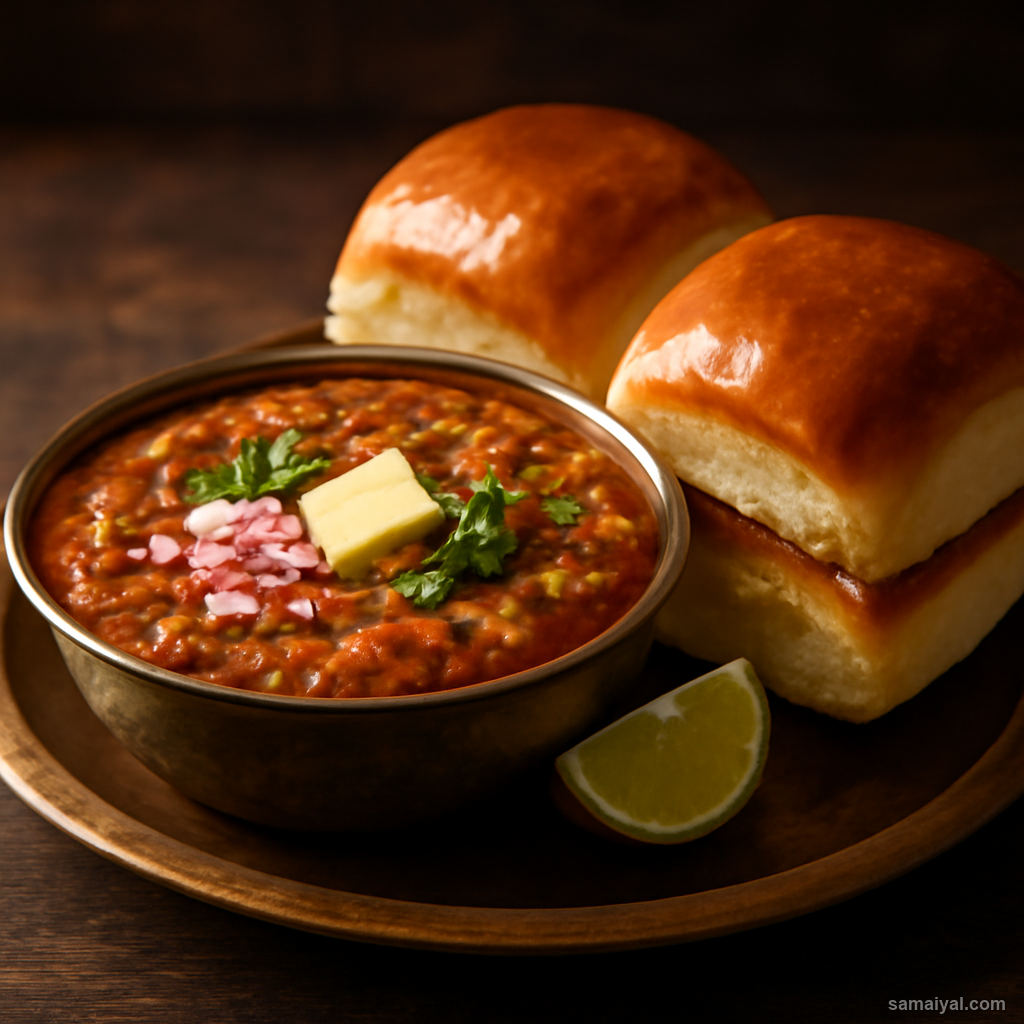
Pav Bhaji
Mumbai's beloved mashed vegetable curry served on butter-toasted soft buns — street food gold.
Mixed vegetables pickled in mustard oil with chilli — the year-round preserves of Arunachali kitchens
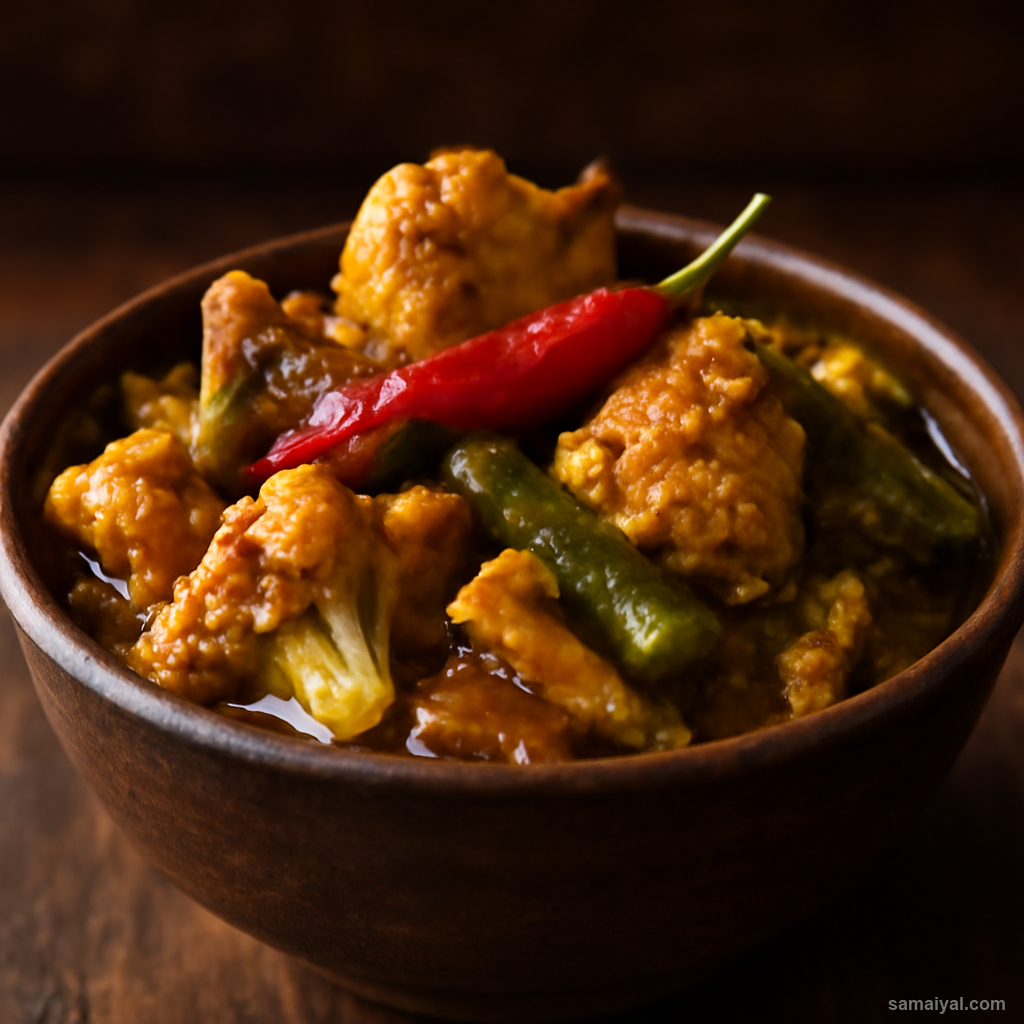
About Arunachal Mixed Pickle: Mixed vegetable pickle is made throughout the year across Arunachal — each season's vegetables preserved in mustard oil. The technique is simple but precise: cut, dry, spice, oil, ferment briefly. The result is a tangy-spicy condiment that adds bright flavour to plain meals throughout the year. It is one of the most universal Arunachali home pickles.
Choose seasonal vegetables: Use 1 cup of mixed vegetables. The traditional Arunachali combination is 1/4 cup carrot, 1/4 cup cauliflower florets, 1/4 cup raw mango (when in season), and 1/4 cup whole green chillies. Adjust based on what is in season — turnip, daikon radish, and green papaya all work too.
The key principle: Use vegetables that hold their texture during pickling — soft vegetables turn to mush. Choose firm, crisp produce.
Prepare the carrots: Take 1 medium carrot. Wash, peel and cut into 2cm batons or 5mm slices.
Prepare the cauliflower: Take small cauliflower florets, about 2-3cm pieces. Avoid huge florets — they pickle unevenly.
Prepare the raw mango: Use raw, hard, green mangoes only. Wash, peel (or leave skin on for traditional Arunachali style), and cut into 1cm cubes. The mango should be sour and firm — do not use sweet ripe mangoes.
Prepare the green chillies: Take 6-8 whole fresh green chillies. Slit lengthwise but keep the stem ends intact. The slit allows the pickling spices to penetrate.
The critical sun-drying step: Place all the cut vegetables on a clean kitchen towel or wide tray in a single layer. Sun-dry for 1-2 hours in direct sunlight, or in a warm dry spot indoors with a fan blowing over them.
Why sun-drying matters: This step removes surface moisture from the vegetables. Wet vegetables introduce water into the pickle, which encourages spoilage and shortens shelf life. The 1-2 hour drying is non-negotiable for a long-keeping pickle.
The dryness check: After drying, the vegetable surfaces should look matte rather than glossy. Pick up a piece — it should feel surface-dry, not damp.
Prepare the mustard seeds: Take 1 tbsp yellow mustard seeds. Grind coarsely in a small grinder or mortar — the texture should be like coarse sand, not a fine powder. Coarsely ground mustard seeds give visible flecks in the pickle and gradually release their pungent character over time.
The spice mix: In a wide dry bowl combine 1 tbsp coarsely ground mustard seeds, 1/2 tsp turmeric powder, 1/2 tsp red chilli powder, and 1 tsp salt. Mix thoroughly with a dry spoon.
Must be dry: Every utensil and surface must be completely dry — no water can enter the pickle. Wet utensils introduce moisture that accelerates spoilage.
Coat the vegetables: Tip the dried vegetables into the spice bowl. Toss with a dry spoon (or wash and thoroughly dry your hands) until every piece is fully coated in the spice mix. Some moisture from the vegetables will be drawn out by the salt — this is normal.
Let the vegetables sit: Cover the bowl loosely and let sit for 30 minutes. The salt continues drawing out moisture from the vegetables and the spices begin penetrating the surfaces.
Prepare the mustard oil: Pour 1 tbsp mustard oil into a small pan. Heat over medium-high for 1-2 minutes until smoking heavily. The smoking step removes the raw bitter character of mustard oil.
Cool the mustard oil completely: This is critical. Hot oil added to the vegetables would partially cook them and ruin the pickle. Switch off heat and let the oil cool for 30-45 minutes until completely at room temperature.
Add the lemon juice: Squeeze the juice of 1 fresh lemon. The lemon adds brightness and acidity that helps preserve the pickle.
Combine everything: Add the cooled mustard oil and lemon juice to the spiced vegetables. Mix thoroughly with a dry spoon. The vegetables should now be glossy with the oil-spice coating.
Use a clean dry jar: Use a sterilised glass jar (sterilise by rinsing with boiling water and drying completely). The jar must be perfectly dry — even one drop of water can spoil the pickle.
Pack the pickle: Spoon the vegetables into the jar, pressing down to remove air pockets. Pour any remaining oil-spice mixture from the bowl over the top. The vegetables should be at least partially submerged in oil — top up with another 1 tsp mustard oil if needed.
The one-day rest: Cover the jar with the lid (loosely closed, not airtight) and leave at room temperature for 24 hours before eating. This rest allows the flavours to meld and the pickle to develop its character.
Day-1 check: After 24 hours, the pickle should look glossy, with the vegetables having absorbed some of the spice colour. Smell — it should be aromatic with mustard, chilli, and the natural vegetable freshness, not sour or off-smelling.
Taste check: Take a small piece. The pickle should be tangy from lemon, salty, gently spicy, with the mustard pungency emerging. Adjust by adding 1/4 tsp more salt if too bland, or 1/2 tsp more lemon juice if not tangy enough.
The shelf life: Properly made and stored, this pickle keeps for 2 weeks refrigerated. The mustard oil and salt act as natural preservatives. After 2 weeks, the texture starts to soften and the flavour can develop off-notes.
Use a clean dry spoon: Always use a clean dry spoon to scoop pickle from the jar. Moisture introduces bacteria and shortens shelf life dramatically.
Serve alongside meals: Use sparingly — 1-2 spoonfuls per person is plenty. Serve alongside steamed rice and dal for a complete meal, or with rotis and bread.
For festive use: At festivals and special occasions, this pickle is one of the small dishes served on the festive thali. Diners take small portions to add bright flavour to plain elements.
A cultural and seasonal note: The mixed pickle tradition reflects the Arunachali principle of preserving the seasons. Each month's harvest gets pickled, ensuring that flavours from the entire year are available throughout. In modern kitchens with refrigeration, this is convenience; in traditional kitchens, it was survival — a way to ensure interesting food through long winters when fresh produce was scarce.
Leftover storage: Stored properly (clean spoon, dry jar, refrigerated), the pickle keeps for 2 weeks. The flavour deepens over the first week as the spices integrate with the vegetables. After 2 weeks, the texture starts to soften noticeably; eat sooner for best quality.
⭐ Featured
Mumbai's beloved mashed vegetable curry served on butter-toasted soft buns — street food gold.

Fluffy steamed chickpea flour cake from Gujarat — light, spongy, tangy and totally addictive.

Mumbai's vegetarian burger — spiced potato dumpling in a fried batter, served in a...
 ⭐ Featured
Crispy golden pastry filled with spiced potatoes and peas — India's most loved snack,...
Comments & Tips
Be the first to share your experience with this recipe!
Leave a Comment