 ⭐ Featured
Dal Makhani
Slow-cooked black lentils in a rich buttery tomato gravy — a Punjabi classic that...
Clear chicken broth with ginger and mountain herbs — the healing soup of Arunachali homes
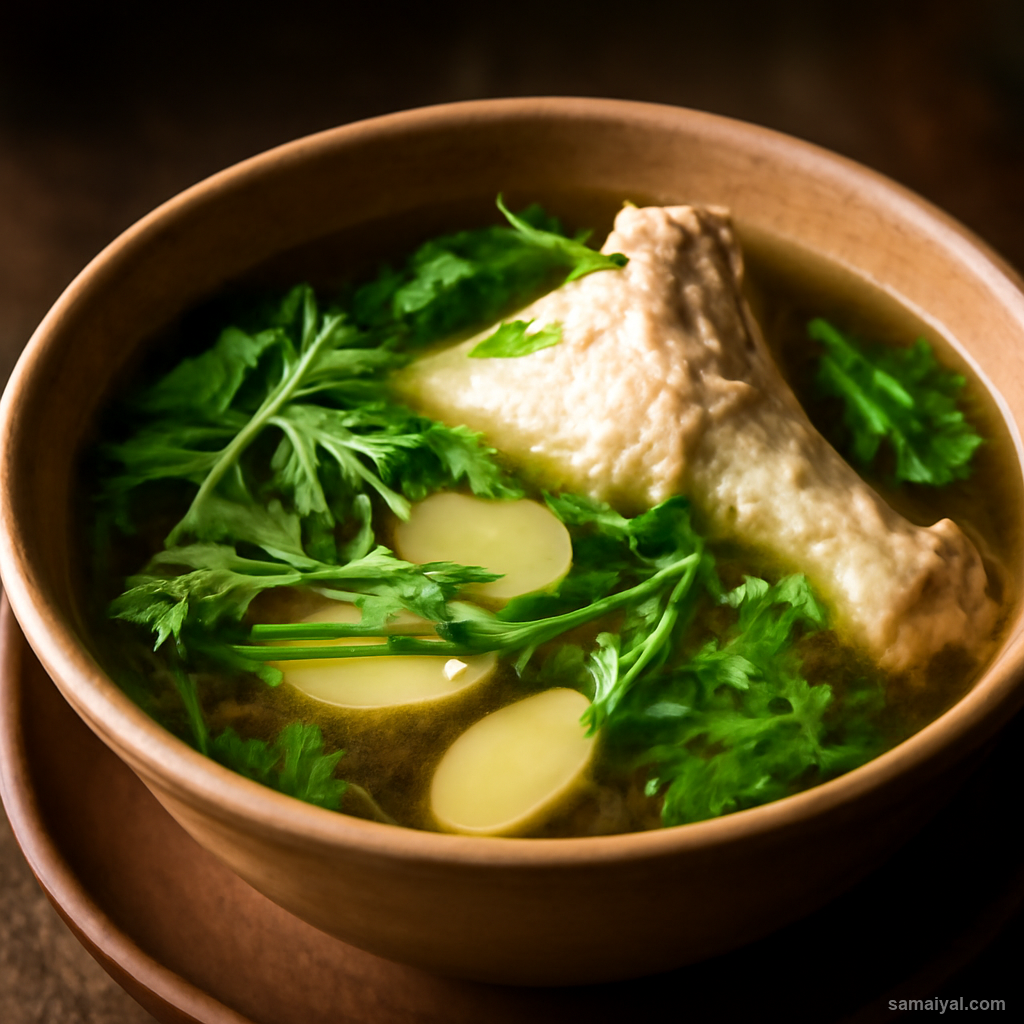
About Arunachal Chicken Soup: Clear chicken soup is the healing food of Arunachal — made for the sick, the elderly and new mothers. Its clarity is its virtue. Unlike heavily-spiced North Indian soups, the Arunachali version uses minimal seasonings to let the natural chicken broth come through. The result is a deeply nourishing, easily digestible soup that warms the body and provides essential nutrients during recovery or in cold weather.
Understand the philosophy: This is not a thick stew or rich curry — it is a clear restorative broth in the tradition of medicinal soups across East Asia. The healing comes from gentle simmering and quality ingredients, not from heavy spicing.
Choose bone-in chicken: Use 500g of bone-in chicken pieces — thighs, drumsticks, and curry-cut bone-in pieces work best. Bones release collagen, calcium and minerals into the broth, making it nourishing and deeply flavoured. Avoid boneless breast meat — it produces a thin tasteless broth.
The ideal mix: A combination of meaty thigh pieces and a few wing or back pieces produces the best flavour balance — meat for protein, bones for broth depth.
Clean the chicken thoroughly: Wash the chicken pieces under cold running water for 1 minute, gently rubbing the surfaces. Pat dry with kitchen paper. Some Arunachali cooks parboil the chicken briefly first (1 minute in boiling water, then drain and rinse) for a clearer broth.
Prepare the ginger: Take a 1-inch piece of fresh ginger. Peel and slice into thin coins (4-5 slices). Generous ginger is the soul of this soup — do not skimp.
Prepare the garlic: Take 3 garlic cloves. Crush lightly with the flat of a knife and slice thinly into rounds.
Prepare the green chillies: Take 2 fresh green chillies. Slit lengthwise — leave intact rather than chopping; they can be removed at the end for a milder soup.
For the lemongrass: Use 1 stalk of lemongrass if available — this is the Arunachali touch that distinguishes the dish. Trim away the tough outer leaves and bottom inch. Bruise the white part of the stalk by pounding lightly with the flat of a knife — this releases the essential oils. Slice into 5cm pieces.
If no lemongrass available: Skip it — the soup is excellent without. Some Arunachali cooks add a small piece of dried galangal or kaffir lime leaves as substitute.
Use a heavy stainless steel pot: Avoid aluminium for this clear soup — it can react with the herbs and acidity.
Combine and bring to boil: Place the chicken, ginger slices, garlic and lemongrass in the pot. Pour over 5 cups of cold water. Important — start with cold water, never warm or hot. Cold-water start helps draw maximum flavour and keeps the broth clear.
Bring to a boil: Place over high heat and bring to a rolling boil — bubbles across the surface.
The critical foam-skimming: As the chicken comes to a boil, grey-brown foam will rise to the surface. Use a fine mesh skimmer or shallow spoon to skim this foam off thoroughly and discard. Continue skimming for 2-3 minutes until no more foam rises. This step is essential for a clear, clean broth.
Reduce to a bare simmer: Once skimmed, reduce heat to the absolute lowest setting. The broth should barely move — small bubbles occasionally rising, not boiling. Vigorous boiling will cloud the broth and toughen the chicken.
The long simmer: Cook covered with the lid slightly ajar for 30 minutes. Do not rush this step — the long slow simmer is what creates the medicinal-quality broth.
Add green chilli, salt and pepper: After 30 minutes, add the slit green chillies, salt to taste (about 3/4 tsp), and 1 tsp freshly ground black pepper. The black pepper is essential to this soup — it provides warming character and is believed in Arunachali tradition to aid in absorption of minerals from the broth.
Final simmer: Continue simmering for 5 more minutes. This brief final simmer lets the chilli and pepper infuse without making the soup harshly hot.
Check doneness: The chicken should be tender enough to pull off the bone with a fork. The broth should be a clear gentle yellow with the flavours of ginger, garlic, lemongrass and pepper clearly present.
Final taste: The broth should taste cleanly aromatic — chicken-rich, gently warming from ginger and pepper, with subtle citrus from lemongrass. The pepper should be present but not overwhelming. Adjust salt to your liking.
Garnish with spring onions: Switch off the heat. Sprinkle 2 tbsp sliced spring onions (white and green parts) over the top. The fresh spring onion adds aromatic brightness against the rich broth.
Ladle and serve: Pour into deep bowls, ensuring each bowl gets chicken pieces and plenty of broth. Serve immediately while piping hot.
The traditional accompaniment: Serve alongside steamed rice — the most traditional Arunachali pairing. Pour ladles of broth over a bowl of rice and eat with chunks of chicken.
For invalids and the elderly: This soup is traditionally given to those recovering from illness or surgery, to new mothers, and to the very elderly. The mild seasoning, easy digestibility, and rich nutrient content make it ideal.
For cold weather: Drink alongside hot rice for a complete warming meal. The combination provides protein, easy carbs, electrolytes from the broth, and warming aromatic compounds — perfect for cold mountain winters.
A cultural and medicinal note: Across Arunachal Pradesh, this soup is considered an essential part of the food-medicine tradition. The collagen from bones, easily absorbed protein from chicken, warming properties of ginger and pepper, and aromatic compounds from lemongrass all contribute to its restorative effect. Modern nutritional science has begun to validate these traditional beliefs.
Variations: For a more flavoured version, add 1 tsp soy sauce at the end (this is a Chinese-influenced variation found in eastern Arunachal). For a richer version, add 1/2 tsp toasted sesame oil before serving.
Leftover storage: Stored in the fridge in an airtight container, this soup keeps for 2-3 days and tastes even better the next day. The broth gels when cold (a sign of high collagen content); it returns to liquid when reheated.
⭐ Featured
Slow-cooked black lentils in a rich buttery tomato gravy — a Punjabi classic that...

Red kidney beans in a thick spiced tomato gravy, best eaten with steamed basmati rice.

Royal Mughlai-style paneer in a cashew-cream gravy — rich, indulgent and perfect for...

Soft potato-paneer dumplings in a luscious cashew gravy — the vegetarian showstopper.
Comments & Tips
Be the first to share your experience with this recipe!
Leave a Comment