 ⭐ Featured
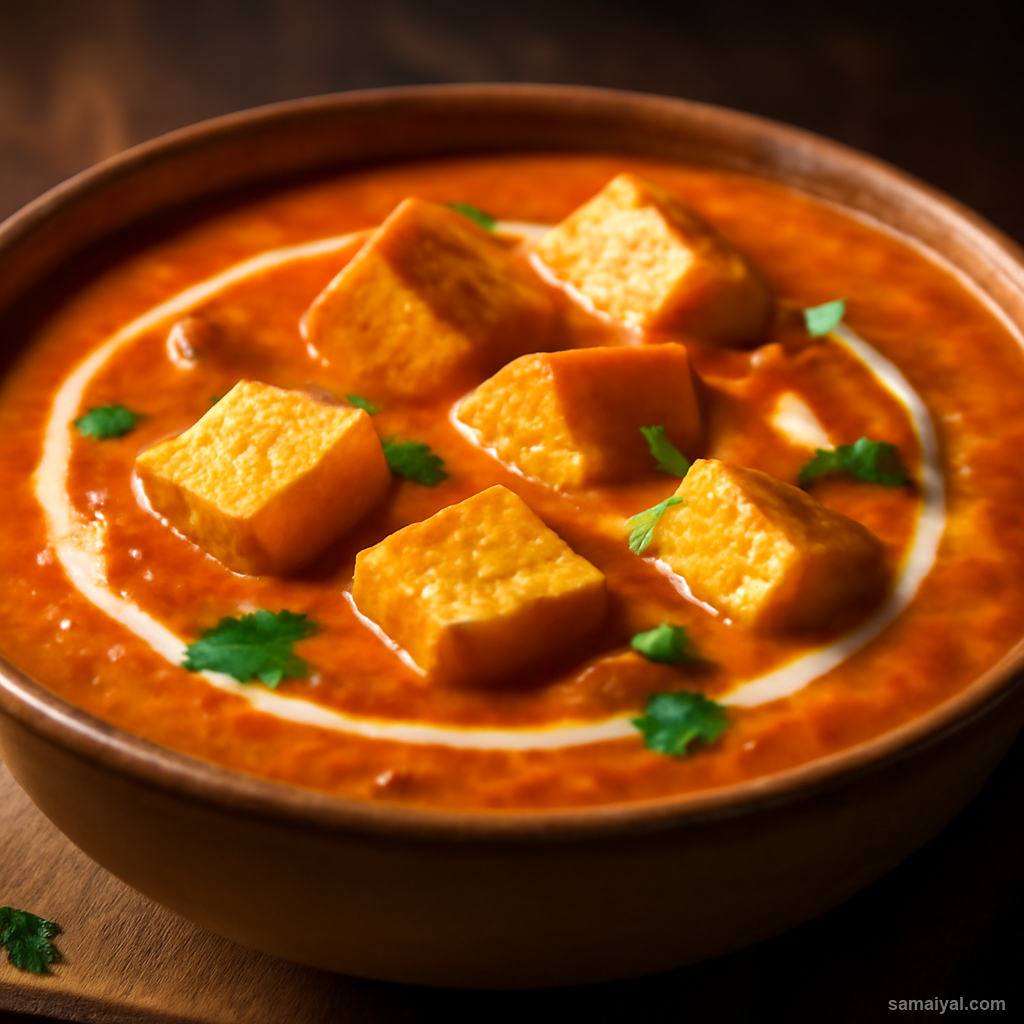
Butter Paneer Masala
Creamy tomato-based curry with soft paneer cubes — the all-time favourite of Indian...
Rice mixed with flaked smoked river fish and fresh herbs — the quick lunch of Arunachali fishing communities

About Smoked Fish Rice: Smoked fish rice is the most direct and satisfying lunch of Arunachali river communities — particularly the Adi, Galo and Mishing fishing peoples along the Siang, Subansiri and Brahmaputra rivers. Smoked fish (a traditional preservation method using bamboo smokehouses) carries weeks-long shelf life, and combining it with warm rice and fresh herbs produces a meal that takes 10 minutes to prepare. It is the perfect example of tribal resource economy.
Understand the smoked fish: Use 150g of smoked fish (any traditional Indian or Asian smoked fish works). The fish should look firm, slightly oily, deeply tan or brown, and smell pleasantly smoky — not rancid. Common types in Northeast Indian markets include smoked rohu, smoked catla, or local smoked river fish.
If you cannot source smoked fish: Substitute with smoked mackerel from a Western supermarket — flavour profile is different but technique works. Smoked salmon also works for a more luxurious version. Avoid heavily salted dried fish (xidol) — that needs different preparation.
Use cooked rice: Use 2 cups of steamed rice. Day-old rice from the fridge actually works better than fresh — it absorbs the flavours of the fish without going gummy. If using fresh hot rice, let it cool to warm (not hot) before mixing.
Flake the fish carefully: This is the most important preparation step. Place the smoked fish on a plate. Use a fork to gently break it into small flakes — pieces about the size of a peanut. As you flake, carefully feel for and remove any small bones. River fish often have many fine bones; missing them creates an unpleasant eating experience.
Check thoroughly for bones: Run your fingertips through the flaked fish a second time. Any small bone you feel must come out. This step is non-negotiable — flaked smoked fish should be entirely bone-free for safe eating.
Prepare the spring onions: Take 2 spring onions (scallions). Wash and slice into thin rounds, separating the white parts (for cooking) from the green tops (for garnish).
Prepare the green chilli: Take 1 fresh green chilli. Slice into very thin rounds. Remove seeds first if you prefer milder heat.
Chop the coriander: Take 2 tbsp fresh coriander leaves with their tender stems. Wash, shake dry and chop finely.
Warm the rice: Use a wide pan or kadhai. If using cold rice, place in the pan over low heat with a splash of water (1 tbsp) covered with a lid. Heat for 2-3 minutes, stirring once, just until warm through. If using room-temperature rice, no need to pre-heat.
The critical no-overcook stage: This dish is not actually cooked — it is assembled with warm components. Heat damages the smoky fish flavour and dries out the rice. Aim to gently warm everything, not stir-fry it.
Add the mustard oil: Drizzle 1 tsp mustard oil over the warm rice. Use raw mustard oil for the most authentic Arunachali flavour, or briefly heated mustard oil if you prefer the milder version. Toss gently with a flat spoon to coat the rice.
Add the fish: Add the flaked smoked fish to the warm rice. Use a folding motion with a flat spoon — lift from underneath and turn over, do not stir round and round which crushes both fish and rice.
Add the spring onion whites and chilli: Add the white parts of the spring onions and the sliced green chilli. Fold gently to distribute. The aromatics add bright contrast to the rich smoky fish.
Season carefully: Add salt to taste — but be conservative. Smoked fish carries plenty of salt from the curing process; over-salting is easy. Start with just a pinch of salt, taste, then adjust.
The final taste check: Take a small bite. The dish should hit you with multiple flavours — soft warm rice, deeply savoury smoky fish, sharp raw spring onion, gentle chilli heat, pungent mustard oil. The smoke should be present but not overpowering.
Adjust the moisture: If the rice feels dry, add 1 tsp more mustard oil and toss again. If it feels too oily, no fix is needed — it will absorb as it sits.
Garnish with green: Sprinkle the green parts of the spring onions and the chopped coriander over the top. The fresh herbs add a final aromatic note that brightens the smoky-rich base.
Let rest briefly: Cover the pan loosely for 2 minutes off the heat. The flavours settle and the rice absorbs the fish character.
Serve immediately: Smoked fish rice tastes best within 15 minutes of assembly — the rice keeps absorbing flavour and slowly drying out as it sits. Spoon into bowls and serve with a wedge of lemon for squeezing if you like.
Serving suggestions: Eat as a complete one-bowl meal. For more substantial eating, serve alongside a clear soup like watercress soup (recipe id 1133) or a simple vegetable curry. Some Arunachali homes wrap leftover smoked fish rice in banana leaves and pack as lunch — the leaves add a beautiful aroma if heated briefly.
A cultural note: Smoked fish preservation has been practised in Arunachali river communities for centuries — fish caught during plentiful river-flow seasons are smoked in bamboo smokehouses to last through lean months. This dish represents the wisdom of seasonal eating and resourceful preservation. Modern smoke-houses still operate across many Arunachali villages, producing some of the finest smoked river fish in the world.
Leftover storage: Stored in the fridge in an airtight container, smoked fish rice keeps for 1 day. Eat at room temperature or warm gently — never microwave at high power, which dries out the rice.
⭐ Featured
Creamy tomato-based curry with soft paneer cubes — the all-time favourite of Indian...
 ⭐ Featured
Velvety spinach curry with golden-fried paneer — nutritious, vibrant and absolutely delicious.

Bold, tangy chickpea curry packed with spices — a street food staple that works as a main dish.

Dry-spiced potatoes and cauliflower — simple, aromatic, and endlessly satisfying.
Comments & Tips
Be the first to share your experience with this recipe!
Leave a Comment