 ⭐ Featured
Gulab Jamun
Soft milk-solid dumplings soaked in fragrant rose sugar syrup — India's most beloved sweet.
Classic Karnataka — kadubu with steamed rice dumplings.
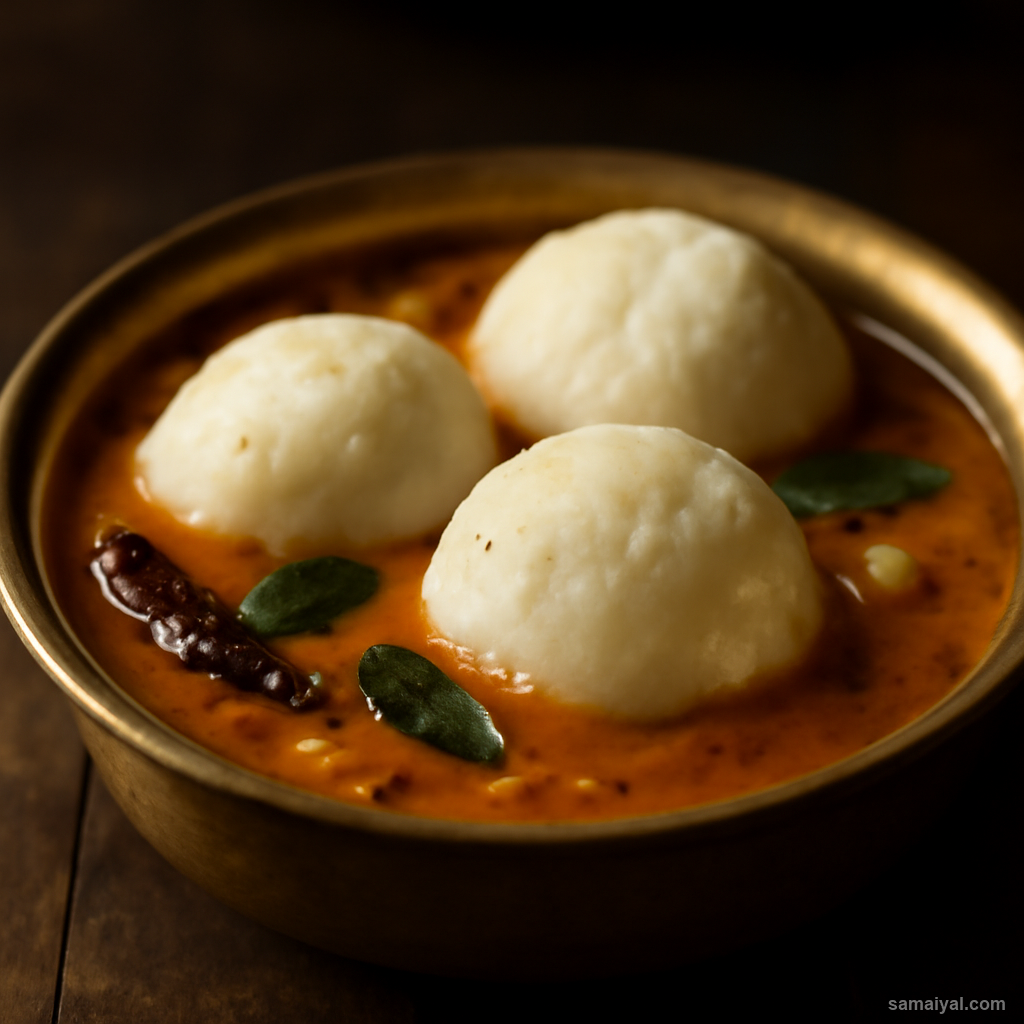
About Kadubu: Kadubu is the sacred Ganesh Chaturthi offering across Karnataka — steamed rice dumplings with a sweet coconut filling. The name simply means "dumpling" in Kannada. Kadubu making is the centrepiece activity of Karnataka Ganesh Chaturthi celebrations. The dish is genuinely sacred — Lord Ganesha is believed to be particularly fond of these sweet dumplings (the famous Mahabharata-era story of Ganesha eating 21 kadubu reflects this divine association — many Karnataka families make exactly 21 kadubu for the festival). This is the everyday version; Sihi Kadubu (recipe id 873) is the elaborate festival version with more jaggery and additional aromatics.
Gather ingredients: 1 cup freshly grated coconut (fresh essential — desiccated produces dry gritty filling; frozen-thawed works as substitute), 3/4 cup grated palm jaggery (Kannada "bella" — slightly less than sihi kadubu, makes this a moderate-sweet filling; substitute with regular cane jaggery), 1/4 tsp cardamom powder, 2 cups fine rice flour, pinch of salt for dough.
Make the filling: Use a heavy-bottomed pan or non-stick frying pan. Place coconut and grated jaggery together in the pan over medium heat. Stir continuously with a wooden spoon. Within 2 minutes, jaggery melts. Continue stirring for 8 minutes total through stages: first wet (1-3 min), then thickening (3-5 min), then sticky-concentrated (5-7 min), then pulling away from sides (8 min — done).
Finish the filling: Mixture should pull cleanly away from the sides of the pan as you stir. Should look almost dry — sticky but holding together. Sprinkle in 1/4 tsp cardamom powder. Mix thoroughly. Tip onto a wide plate. Cool for 15 minutes — hot filling can scorch the rice dough.
Make the dough: Place 2 cups rice flour in a wide bowl with a pinch of salt. Pour about 3/4 cup just-off-boiled hot water over the flour, mixing first with a wooden spoon then with hands when cool enough. Add more hot water 1 tbsp at a time as needed. Goal: soft and pliable, like playdough. Knead briefly 3-5 minutes. Cover with a damp cloth and rest 10 minutes.
Divide and shape: Pinch off 30g portions of dough (16-18 portions). Take one portion, flatten between palms into a 7cm round disc. Place 1 tablespoon of cooled coconut filling in the centre.
Seal the kadubu: Bring edges of the disc up around the filling, pinch firmly to seal. The seal must be airtight or filling leaks during steaming. Traditional Karnataka shape: simple round dumpling. Some Karnataka families make a small flat-top, others make a slight pinch at the top. Place shaped kadubu on a plate and rest 5-10 minutes — allows seals to set.
Prepare and steam: Use a bamboo steamer or any steamer with at least 5cm water in the bottom pan. Place fresh banana leaves on the steamer surface — adds subtle aromatic character. Or use muslin cloth as substitute. Bring water to a rolling boil over high heat — visible turbulent boiling is essential. Once boiling, arrange in single layer with space between each. Cover and steam 12-15 minutes.
Doneness check: Lift the lid. Kadubu should look glossy, slightly translucent, firm to gentle press. Pierce one — should come out clean. If undercooked, steam 5 more minutes. Switch off heat and rest covered 5 minutes.
Serve warm: Lift onto serving plate. Serve warm — filling is at peak when warm and dough at peak texture. Some Karnataka families drizzle 1 tsp warm ghee over each kadubu — adds richness and traditional flavour.
The Ganesh Chaturthi tradition: The first kadubu is placed before Lord Ganesha as offering. The remaining are distributed as prasad among family and devotees. For traditional 21-count, make exactly 21 kadubu for Ganesh Chaturthi (this recipe makes about 16-18; for 21, scale up by 25%). Beyond Ganesh Chaturthi, kadubu also appears at Karnataka weddings and major festivals.
Serve across contexts: Even outside festivals, sweet kadubu makes excellent everyday tea-time snacks — pair with hot Indian tea for evening eating. For children, many Karnataka grandmothers introduce traditional sweets through this dish. Pack 6-8 cooled kadubu in a small box for gifting during the festival.
Variations: Add 1 tbsp finely chopped cashews or raisins to the filling for richer version. Some families add 2 tbsp white sesame seeds for additional texture. For savoury variations (uppittu kadubu), use spiced lentil filling, vegetable filling, or coconut-mustard filling. Same technique, different filling.
A cultural and religious note: Kadubu represents the heart of Karnataka festive cooking. The simple combination of rice flour and coconut-jaggery transforms into something sacred through preparation, intention, and ritual context. As Karnataka families pass down kadubu-making to younger generations, they pass down both culinary knowledge and religious tradition. Each kadubu provides approximately 80-100 calories — moderate as sweets go. The filling provides healthy fats from coconut, minerals from jaggery, and natural sugars.
Leftover storage: Stored in fridge in an airtight container, kadubu keep for 2-3 days. Refresh by re-steaming briefly (5 minutes). Avoid microwaving — produces rubbery texture. Many Karnataka families plan extra kadubu specifically for the next-day prasad distribution.
⭐ Featured
Soft milk-solid dumplings soaked in fragrant rose sugar syrup — India's most beloved sweet.

Slow-cooked rice pudding with cardamom, saffron, nuts and rose water — pure comfort in a bowl.

Slow-cooked grated carrot pudding with ghee, milk and cardamom — a winter celebration classic.

Spongy soft chenna balls cooked in light sugar syrup — the iconic Bengali sweet.
Comments & Tips
Be the first to share your experience with this recipe!
Leave a Comment